



Apr
Passport Confessional | Japan 2025
For some, their early memories of Japan might have been Speed Racer, Pokemon, the films of Akira Kurosawa or the designs of Issey Miyake. For me, it was working with my father on a school project about Japan. We got some encyclopedias from my grandparents, some paint, moss, cardboard and papier mache to build a model replicating the landscape of the country. I got a “A” on that one.
A few years ago I built a Pinterest board around the novel idea of Japan in winter. Just thinking to myself, “what would it look like at that time of the year?” I wanted to take a winter vacation. Sticking around DC is fine, but has its limits. And going back to Milwaukee is fine too, but I get Seasonal Affective Disorder the second I walk outside Mitchell International.

By later 2025, I was back at work at new gig and felt that now was a time to finally make those dreams a reality. Outside of a few, most people don’t think of coming to Japan for Christmas and New Year’s, but they should. They vibe with Christmas despite it being a Buddhist country. They have a busy, bustling economy so the malls are vibrant, unlike the dead mall economy of the U.S. The weather is comparable to most winters in North America. And because its Buddhist, you have an opportunity for spiritual reflection from another perspective.
The Bizarre Fever Dream of Getting To Osaka
When I got up at two in the morning to catch a 6am flight, something in my spirit told me this one wasn’t gonna go as planned. If you find yourself sleeping all night on your couch waiting for the alarm to go off and find yourself eating Amy’s vegan breakfast while watching X-Machina again, your soul will whisper ever so softly, “You know you don’ fucked up right?” But you ignore it because you planned. You tell yourself you planned for things not to go as planned. But nowhere in those plans did you imagine the airport losing one of your bags, missing the final connecting flight, and drifting in and out of consciousness on the Shinkansen from Tokyo to Osaka.
Okay so let me rewind. My flight required four connections across three countries.
- Connection from DC to Montreal, I had to power walk through the airport, but I made my connecting flight juuuuust in time.
- Montreal to Vancouver. Preeetty….good. Got enough time to enjoy the full lounge experience (including roast duck and vegan chocolate ice cream!)
- Vancouver to Tokyo: Very nice! Champagne immediately upon seating. Set up my lay-flat space perfectly. WatchedTokyo Godfathers by morning.
- Tokyo: I missed my connecting flight to Osaka. That happens. What I was not prepared for was how much attention I can attract from airline employees just by being mildly upset.
It was almost like I was a contagion that needed to be contained. This woman is upset. I repeat: This woman is upset. Do whatever you can to calm her down. I thought I was being pretty reasonable by American standards.
Eventually, I got to the ticket counter for my airline, Air Canada. They gave me two options: Wait for a new flight in the morning, or accept some complimentary yen and take the Shinkansen to Osaka and arrive that night. Because I had scheduled an important appointment the next morning, I couldn’t take the flight, so I accepted the cash, which I was grateful for. In addition, I noticed that one of my bags was not at baggage claim. They looked it up, and it was in Vancouver.
I knew something was going to go wrong way back on my sofa in DC.
They told me to provide them the addresses for the first two hotels I would be staying in during my visit so when they locate it they can ship it to me. Overall, I was very impressed with this quick resolution. Contagion eliminated.
The Skinkansen, Japan’s famous bullet trains, have increasingly become a major experience for tourists starved of decent high-speed transportation. Upon my first ride, I was immediately struck by its cleanliness. You would have thought this was an inaugural ride (which also speaks to how we in the U.S. treat new stuff; we don’t maintain it well), but it was a typical Friday night. Swagged-out salarymen chattered and cracked jokes in the front while most sat quietly on their phones. And The Skinkansen can consciously uncouple itself. I didn’t even need to transfer.
In the DC/Maryland/Virgina area we have commuter rails MARC and the VRE. Comparably, they are better than most of what’s offered in the United States. But lemme give you an visual example of how fast the Shinkansen by comparison. On a typical Metrorail or commuter train, if it is raining outside, the rain drops will form lines that look like steps. On the Shinkansen, when it rains, the rain drops are completely parallel lines. That’s how fast it goes.
Now that I’m settled in to my hotel, let’s focus on what you did right: You booked business class instead of economy. You got good rest, ate really good, nutritious food the entire time. You didn’t get off the plane feeling like a zombie. You picked a really good first hotel. It’s exactly as it’s pictured: Warm, relaxing, quiet, serene. I’m writing this entry in the lobby right now, it’s that great. Hotel Resol Trinity Osaka. You did good with that one.
It’s late and I gotta get up in a few hours. I have an appointment for a new tattoo.
Darumas, Temples, and Tattooing on Orange Street
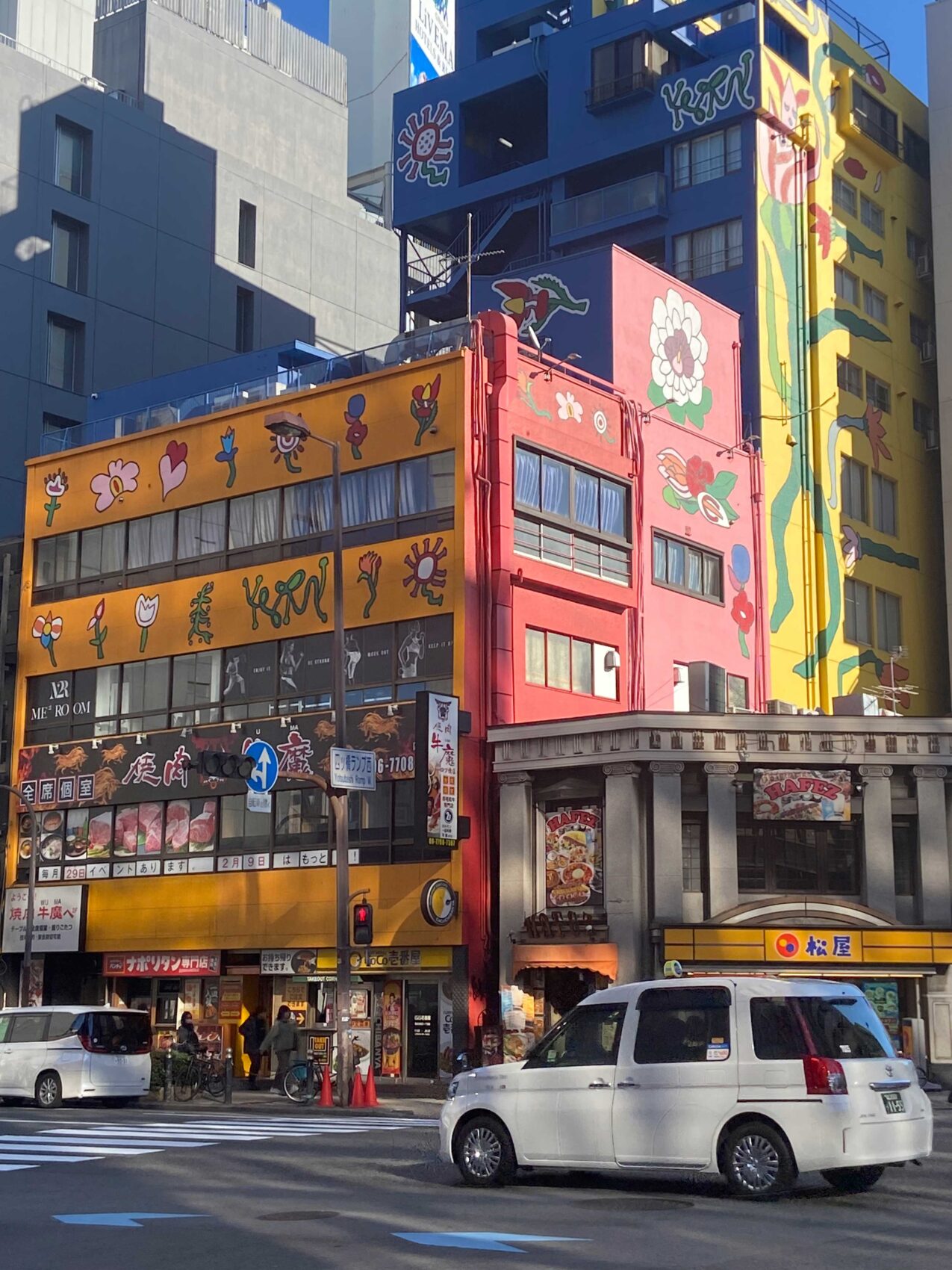
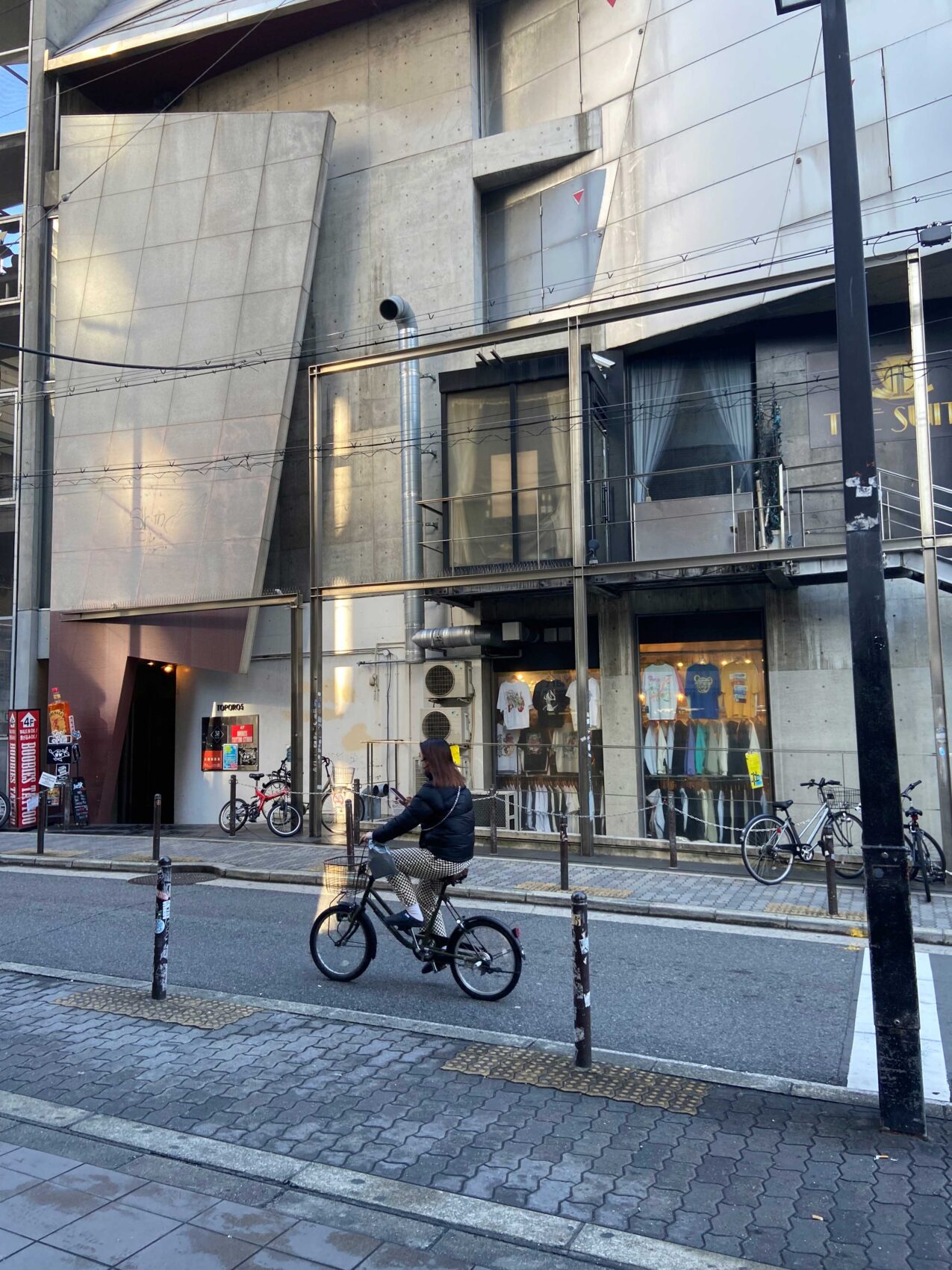
My first morning in Osaka, and I have three very important goals: Get an ICOCA (IC) Card. Get breakfast. Get a tattoo.
The tattoo appointment was scheduled weeks ago (which is why it was important for me to take the Skinkansen from Tokyo to Osaka). So the next thing on the list is to get an IC Card. Most know of the Suica card that’s good on all JR-East public transit. This is the other regional card you can use throughout the JR-West train and bus systems. Given that my itinerary stayed in the region, getting that card was key. Plus it’s really cute.
Anytime I embark on learning a new public transit system, I give myself time: Time for confusion, miscommunications, delays, missed connections, wrong stops, wrong side of the platform, wrong exit. You name it. Be patient with yourself (and with others) and keep your itinerary light, especially in the first few days.
Orange Street isn’t really a street. It’s more of a neighborhood vibe. Filled with thrift stores and other vintage finds. Hanging out in Orange Street was a trip. While I was waiting for the parlor to open, some random cute guy said he liked my hair.
Because this was my first time in Japan, I thought of what I wanted to see and do, no matter the season, while also enjoying seasonal experiences. I had to learn how to harness the seasonal spirit of my time there, not just take in attractions that are available year-round. It was worth skipping an art museum or a vintage clothing store if it meant taking in the holiday shopping experience at a historic department store.
Everyone is incredibly well-dressed. They stay dripped the fuck out! It’s frankly intimidating. I really thought I put together some fits. I just look like a slightly better-dressed tourist.
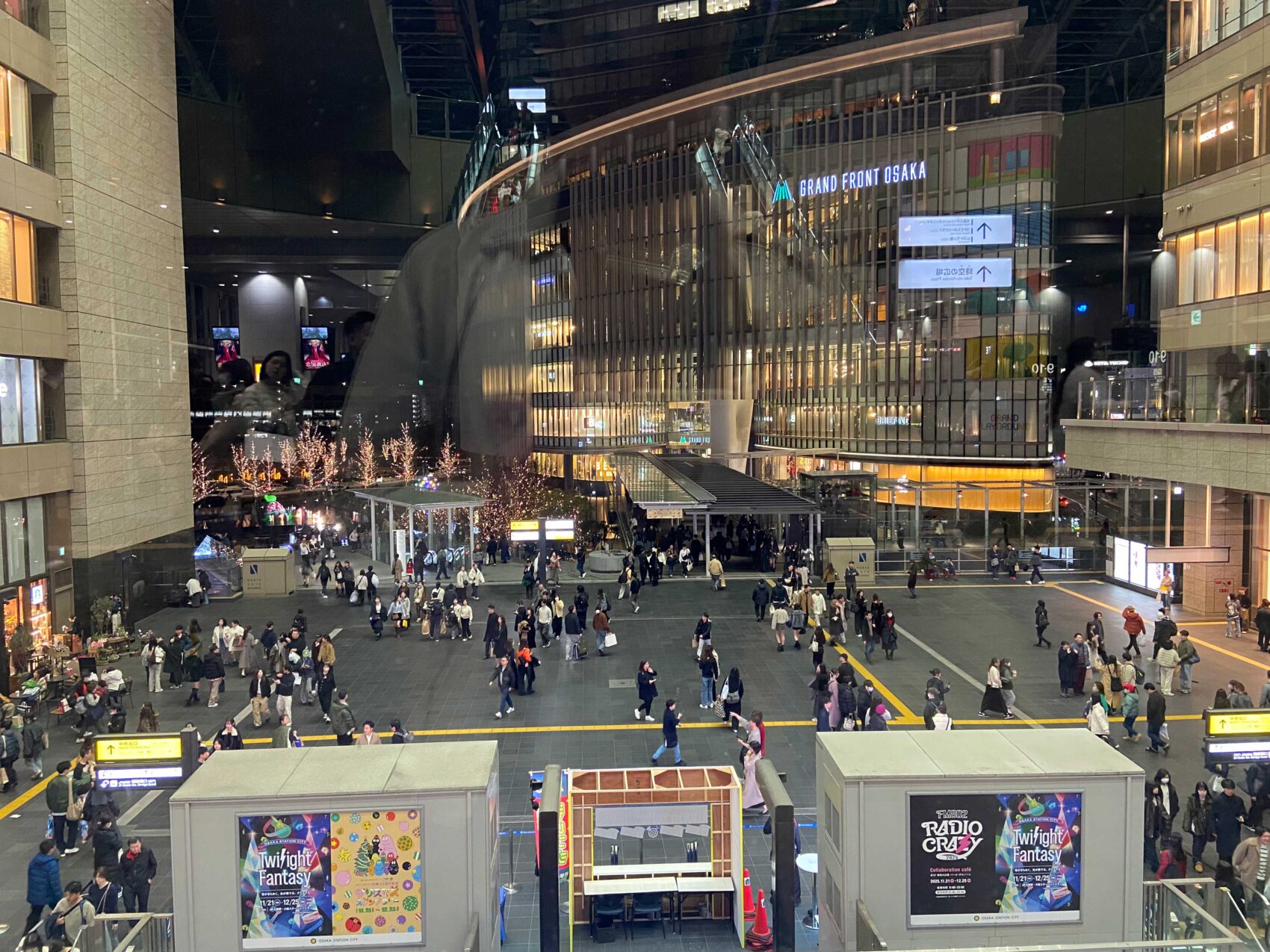
Upon return to my trip, and people would ask me how was it, I frequently mentioned that it is “civilized.” Civility can show up in many ways in a society. The social contracts we maintain (ex. pick up dog poop, open the door for someone behind you, wear clothes in public). Civility can also look like the social infrastructure we want our governing state to invest in. In the case of Japan, they prioritize those things. But they also prioritize things like well-maintained public bathrooms. The ladies’ bathroom has a sanitizer machine in the stall to wipe the seat. I’ve been doing this on my own for years. There are protective barriers in nearly every subway platform, so no one fears falling onto the tracks. These essentially do not exist in the U.S. and have never been part of their planned implementation, despite have 16 rapid transit systems in the country, as of this journal entry.
In a station like Osaka’s I looked at signed and wayfinding systems. But I was also began to feel was the intentional flow of foot traffic. It is incredibly well-managed. In large subway stations like Osaka you think you’re walking in circles, but it’s actually controlling the larger flow of thousands of people.
It’s Okay to Cry at the Katsouji Temple. You’ll Be Alright.
Today was a day for embracing the rain and visiting Katsouji Temple.
According to Google AI, “Daruma dolls symbolize perseverance, good luck, and goal achievement, representing the Zen monk Bodhidharma, with their hollow, weighted design embodying resistance (“fall seven times, stand up eight”). People paint one eye when setting a goal, and the other upon completion, while colors signify different fortunes (red for general luck, gold for wealth, etc.).
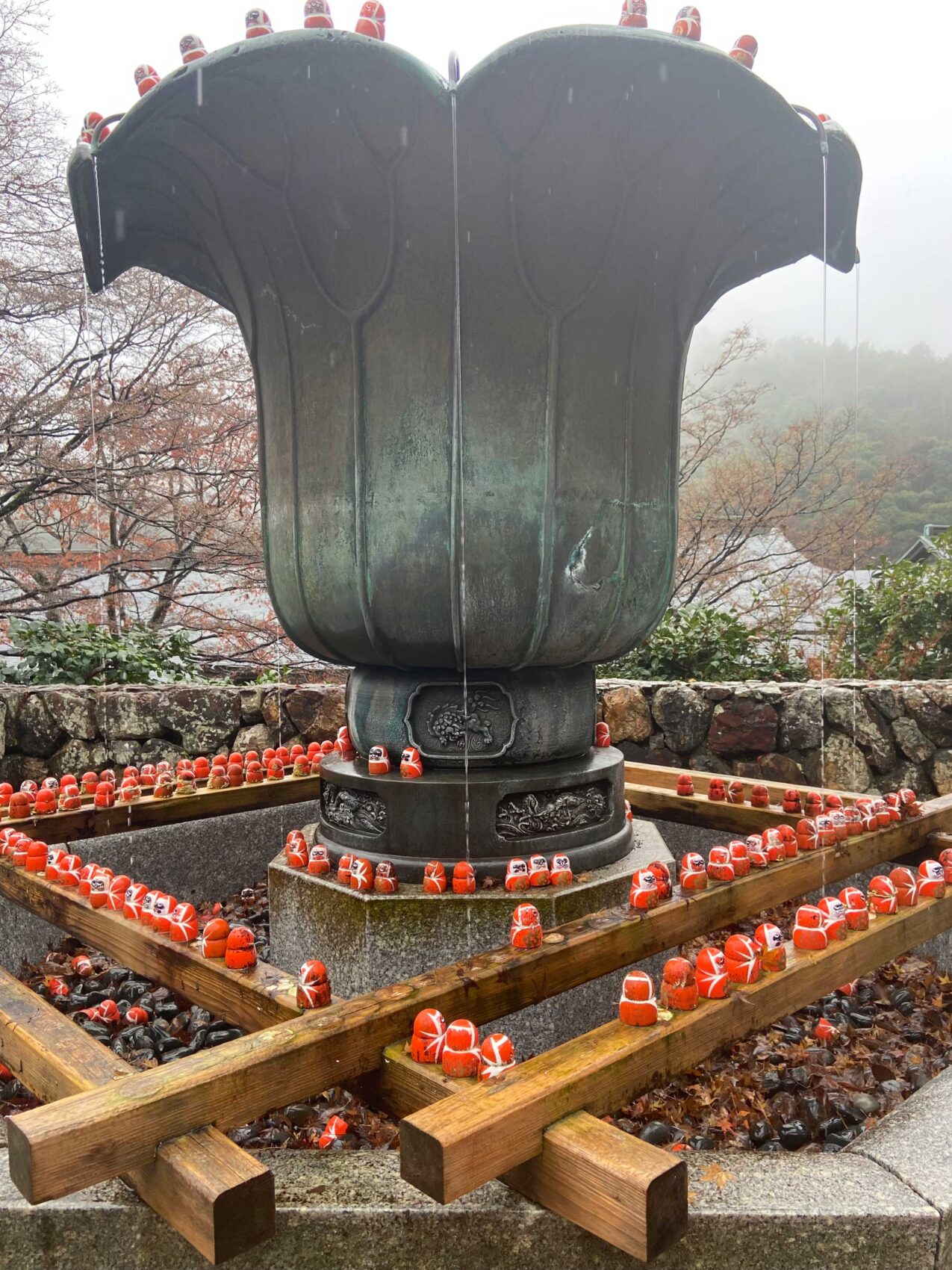
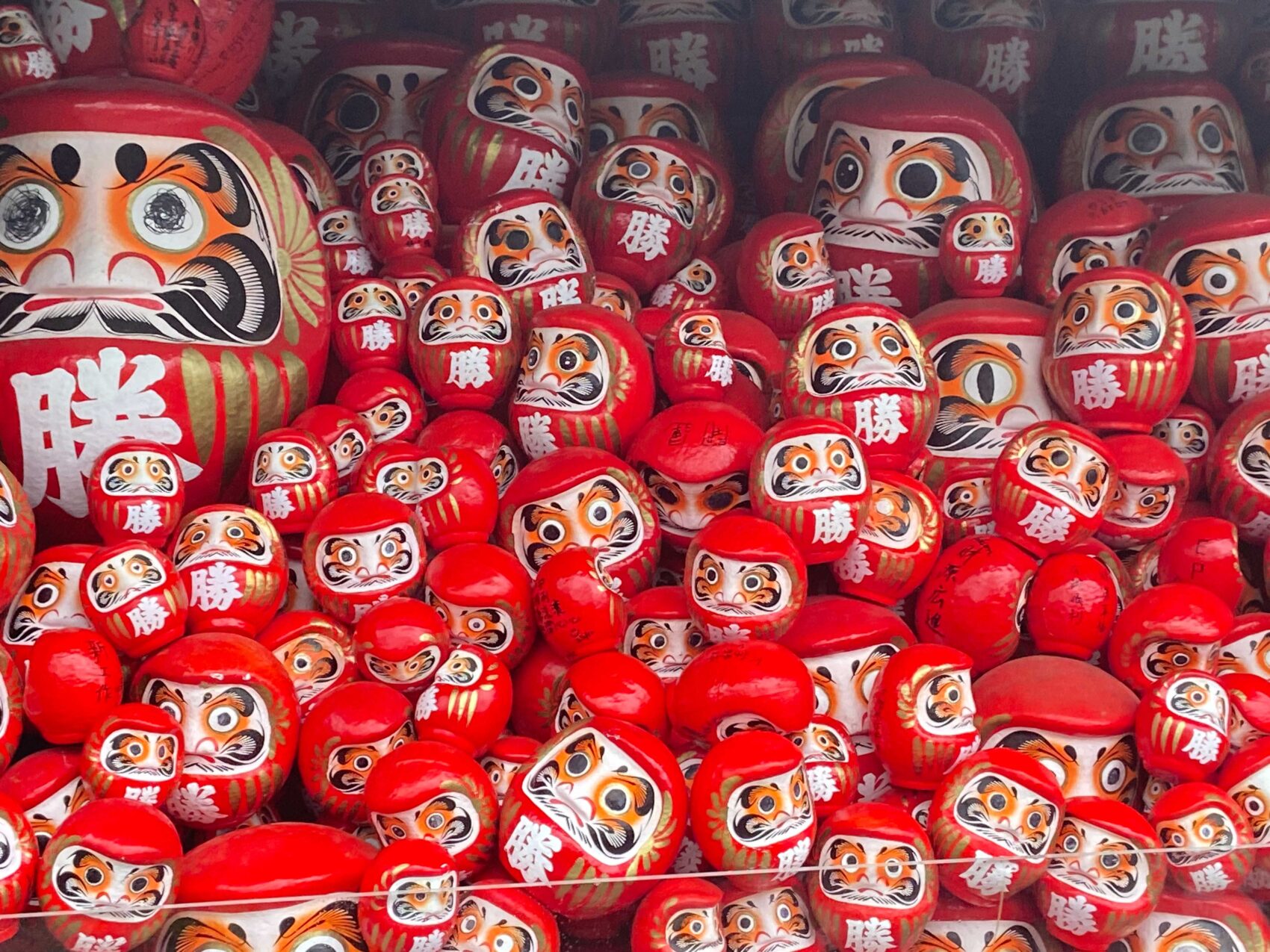
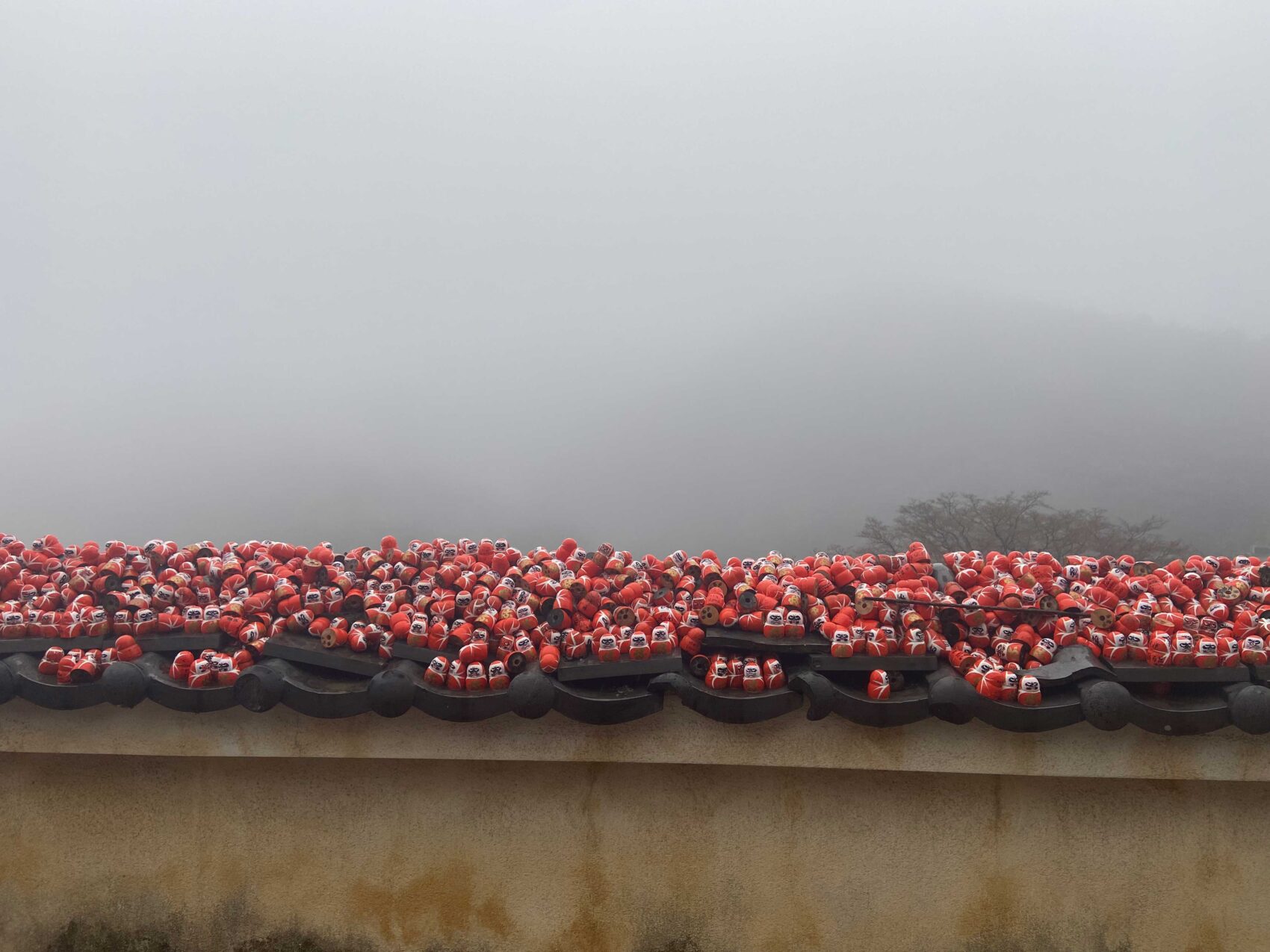
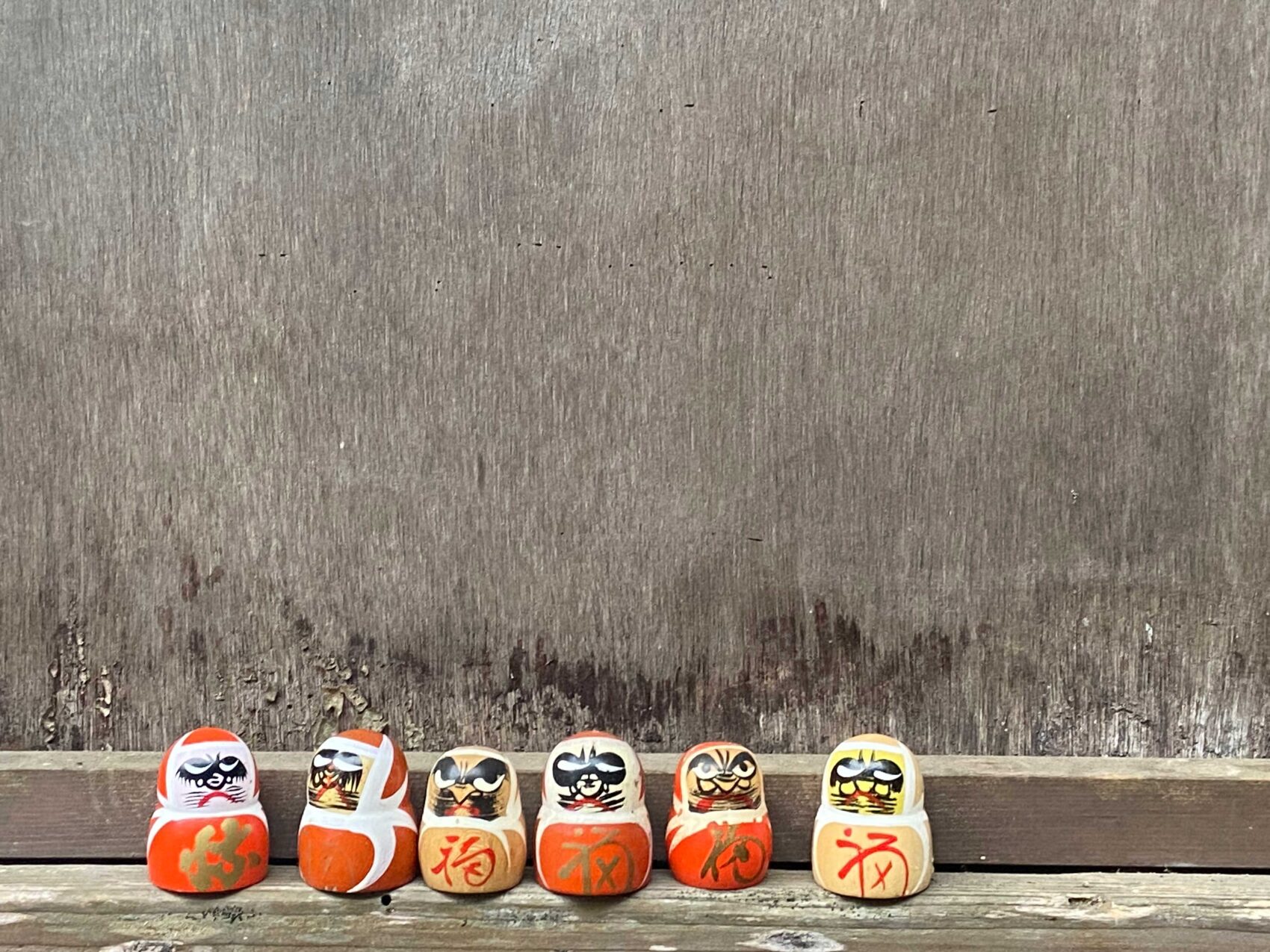
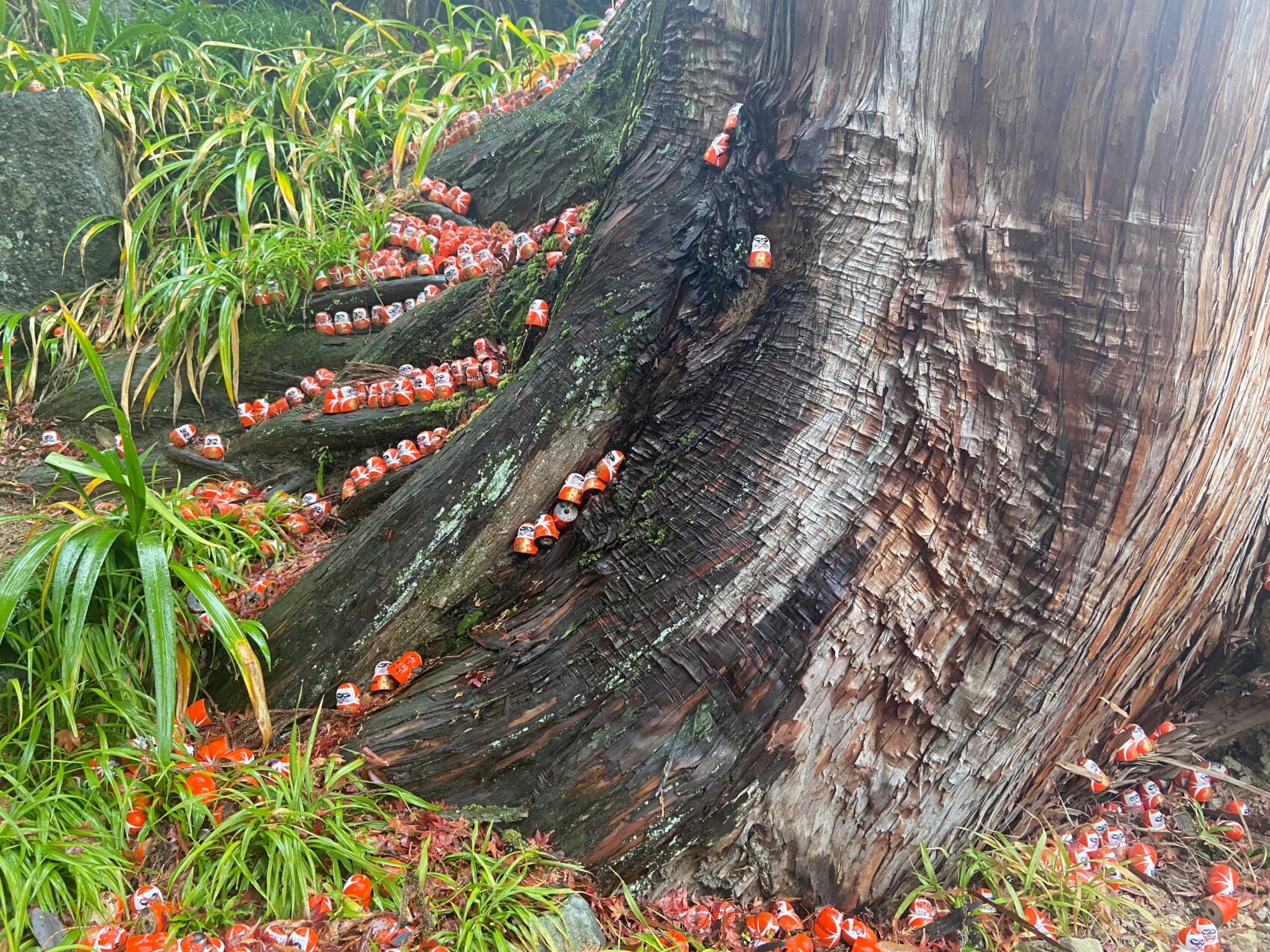
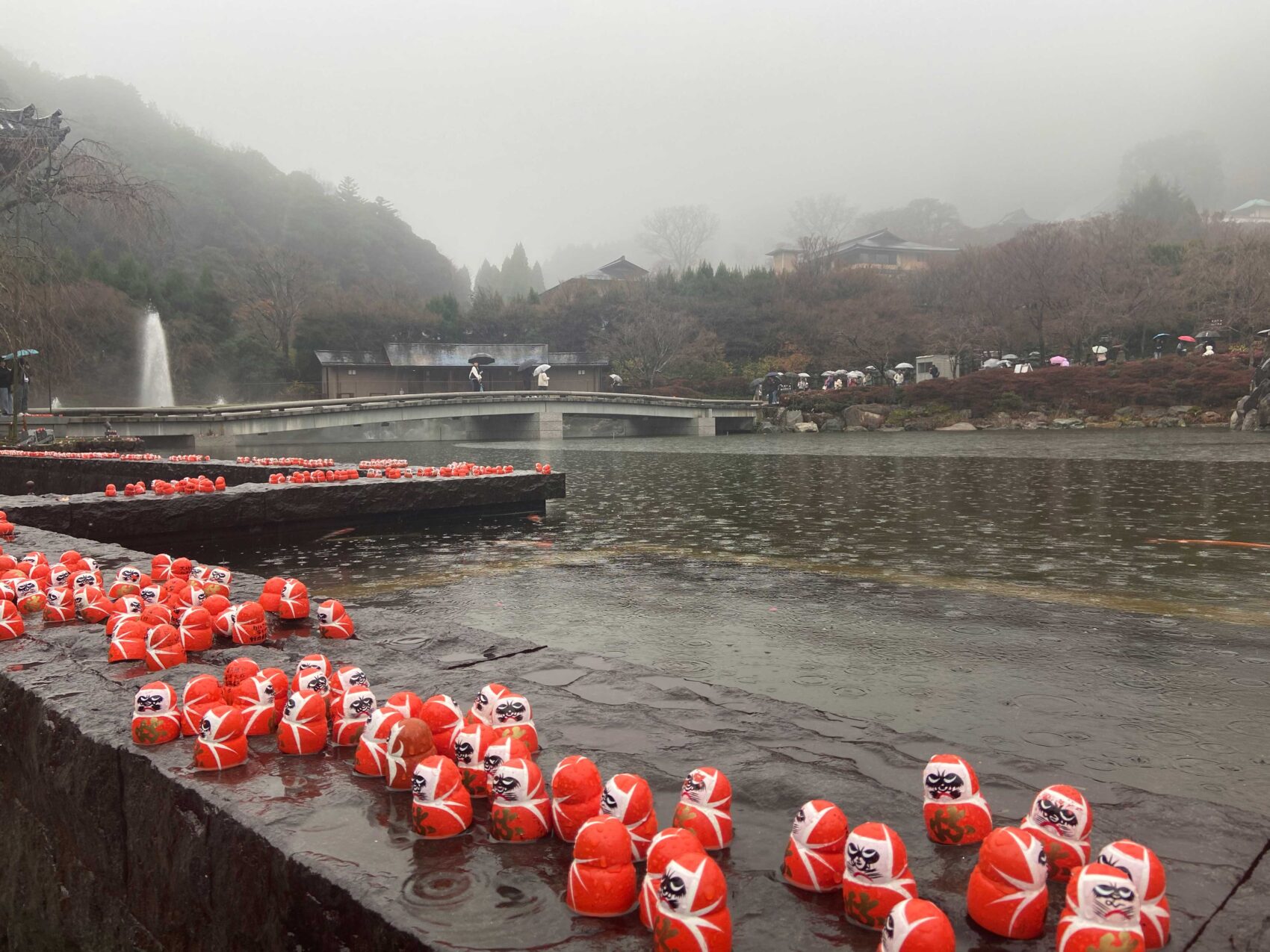
Katsouji Temple is full of these daruma dolls. The most photographed area being the staircase of darumas in various sizes, as big as a basketball in some places. It’s a worthy sight. But if you take in the rest of the temple, the spirit of hopefulness, reconciliation, and restoration will inevitably take over.
I’ve also met some great people here. Two guys from Toronto by way of Pakistan. A couple from Detroit. A family from New Jersey. Siblings from Atlanta. Another family from L.A. bonded with them over our love of a good baseball series (L.A. beat Milwaukee) and our exhaustion of the ICE raids.
My last full day in Osaka was also enjoyable. I got to have dinner with a colleague who also happened to be traveling in Japan. We had Yakiniku and gossiped about Japan’s pros and cons.
Kyoto Is Magic. But I’m Getting Knee Replacement Surgery
Osaka was a landing pad for me. A way to get settled into the rhythm of the region. The vacation for me actually began with Kyoto.
Took the Shinkansen and a taxi to my hotel and I pleasantly surprised to finally see my other suitcase.
So far, the vibes in Kyoto are more chill. People are not as dripped out, like in Osaka. I’m also surprised at how small and accessible everything is here in Kyoto. Most things on my list are no more than 15-30 minutes away from my hotel.
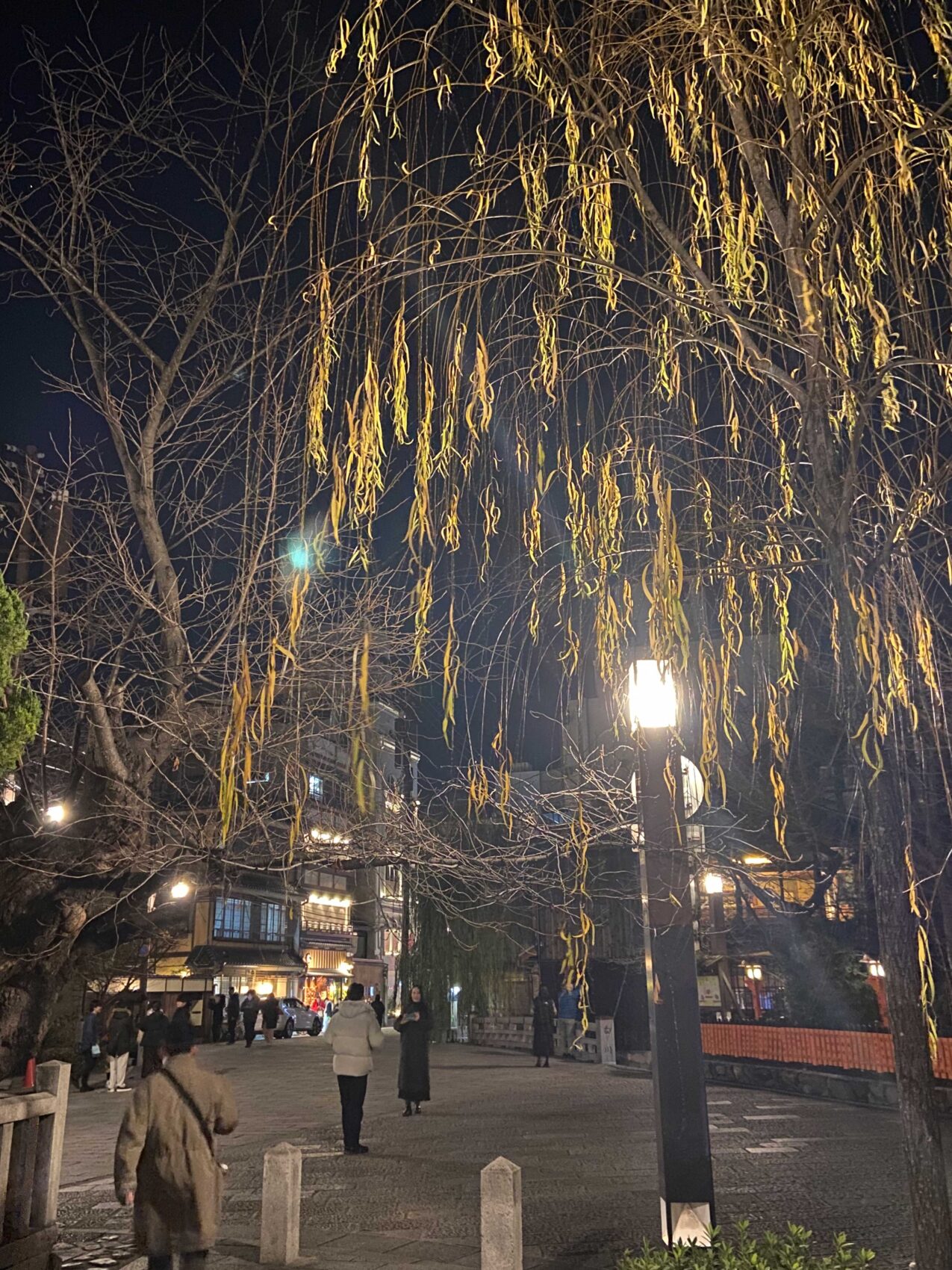
But I got lost on my way back to my hotel. I got so frustrated I began to scream aloud. iOS Maps really ain’t shit. Anyway, I reset my location and headed down the path. I brought me along this quiet charming winding pathway that’s designed to calm you down. As I walked along and the ground lanterns lit the street I noticed a small bubbling brook underneath. The sound of the gently flowing water forced me to stop and slow down. I’m on vacation and I don’t need to rush. Before I knew it, I made it back to my hotel.
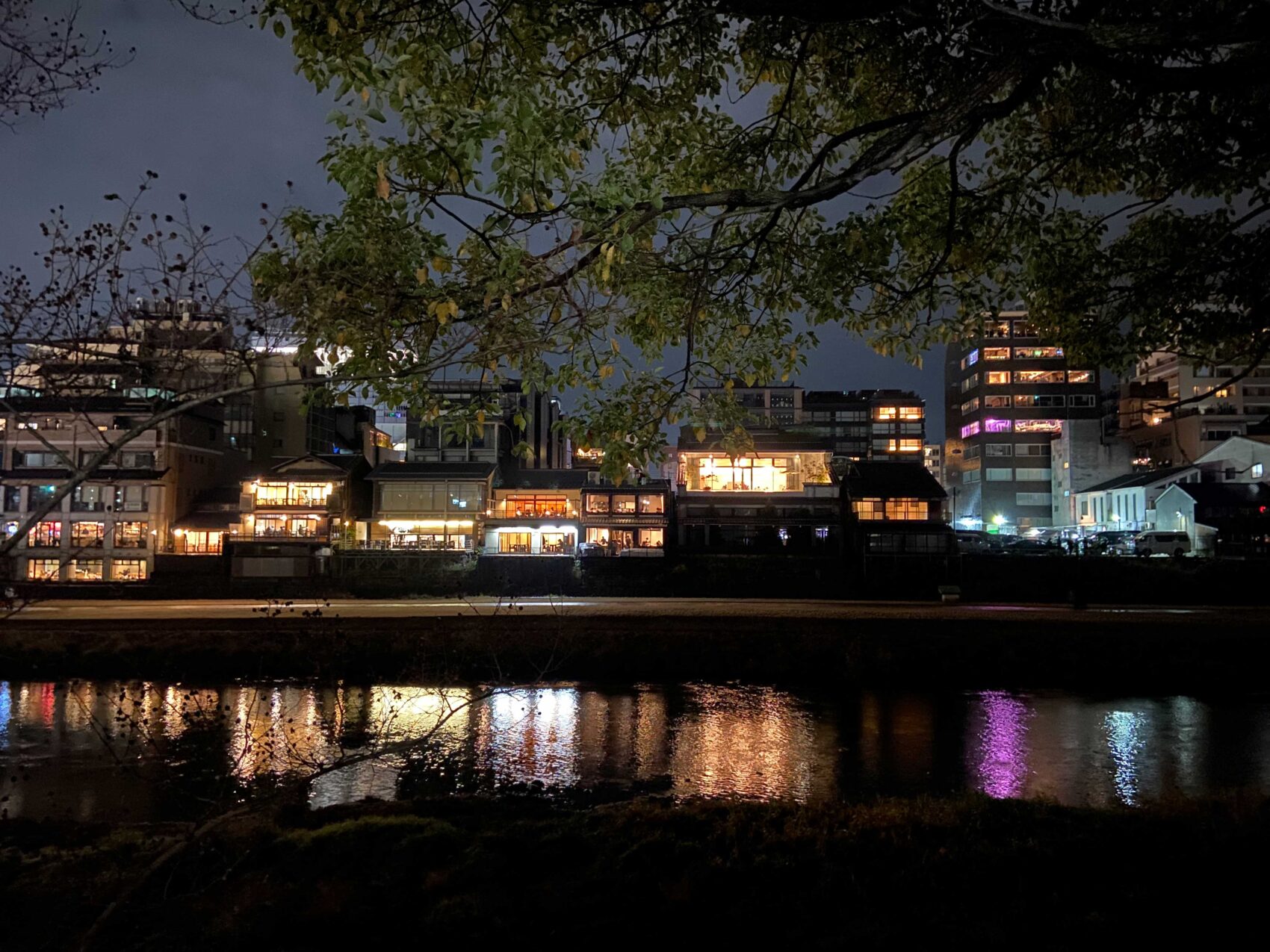
Pontocho is an alley of light and river. It’s also the virtual wall where the elite tell us peons, no matter hou much money you have, or how far you’ve come, you’re not one of them.
Don’t Let The Winter Steal Your Sense of Whimsy
When the winter days are shorter and nights get longer and cold, it takes effort to go out at night.
A few weeks ago I came across this guy’s Instagram and he said, “It’s okay to go out after 4:30. Will it be hard? Yes. Will the joy that comes from connecting with your friends more than make up for it? Yes. Don’t let the winter steal your sense of whimsy.”
Taking in Kyoto’s nightlife was easy because it was safe. I can usually handle myself in most places. But with Kyoto I didn’t have the added layer of paranoia that comes with going out at night, well, in most other countries.
I learned of Ginza Music Bar while shopping in the city center. Along the way I met a really nice woman named Ayah. She’s from Kyoto but lived for awhile in London. We both spoke of our love for Caetano Veloso, Milton Nascemiento, and Esperanza Spalding. She told me about this incredible bar with live music that’s tucked away on a cold rainy night. And it was packed! I wanna be cool like these older guys when I get further into the greys.
I also came to Kyoto for winter is because of their elaborate and interactive evening illumination events. The cold weather was a challenge. Never underestimate people’s willingness to bundle up and be willing to stand in line to get your map stamped with a black light stamp. Heian Jingu Shrine at night is a reminder to never let the cold night stop your curiosity. There’s good, clean fun to have outside.
[Insert photos of Heian Jinju Temple at night]
”That melancholic feeling in December. It’s like the rain. It’s temporary and it soon passes.
Botanical gardens are for old people like me: Somewhere calming to visit in the middle of the day to lower your blood pressure. And you know Japan is gonna have some good botanical gardens.
Christmas Eve in Fushimi Inari
Walking through the Toreii gates of Fushimi Inari at night on Christmas Eve is one of the coolest things I’ve done on a trip, along with riding horseback up a mountain along the coast in Jericoacoara and picking tea in Munnar. Walking through the gates at night in the rain sounds creepy on paper. And it was a little bit. It’s easy to imagine a rogue monkey might jump out on you at any moment. But the reality is that this place is open 24/7. I saw parents out with their kids. Friends taking group photos together. There’s even someone who walks around and monitors the grounds to make sure people don’t walk too far off the path. I knew I would be safe.
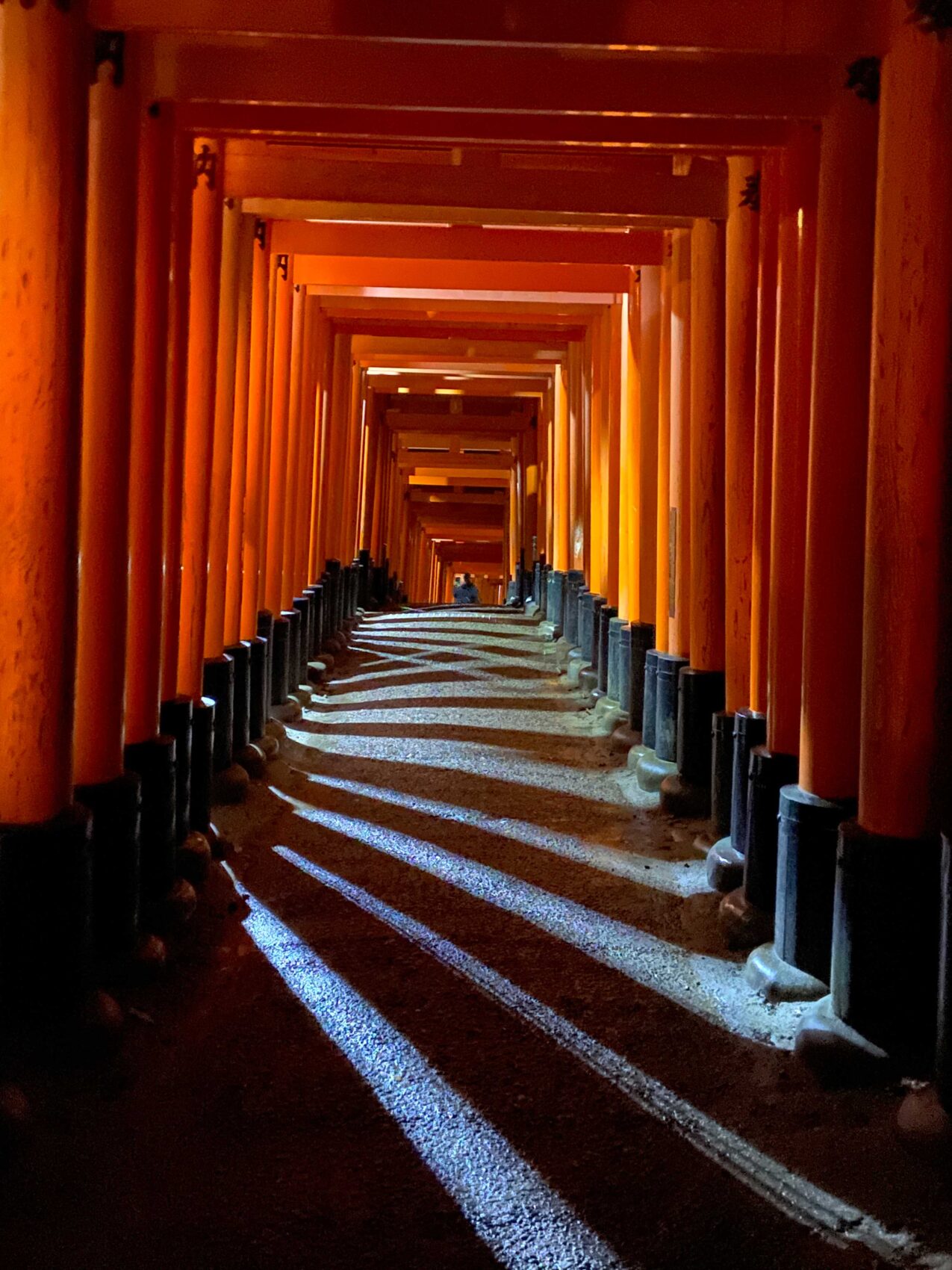
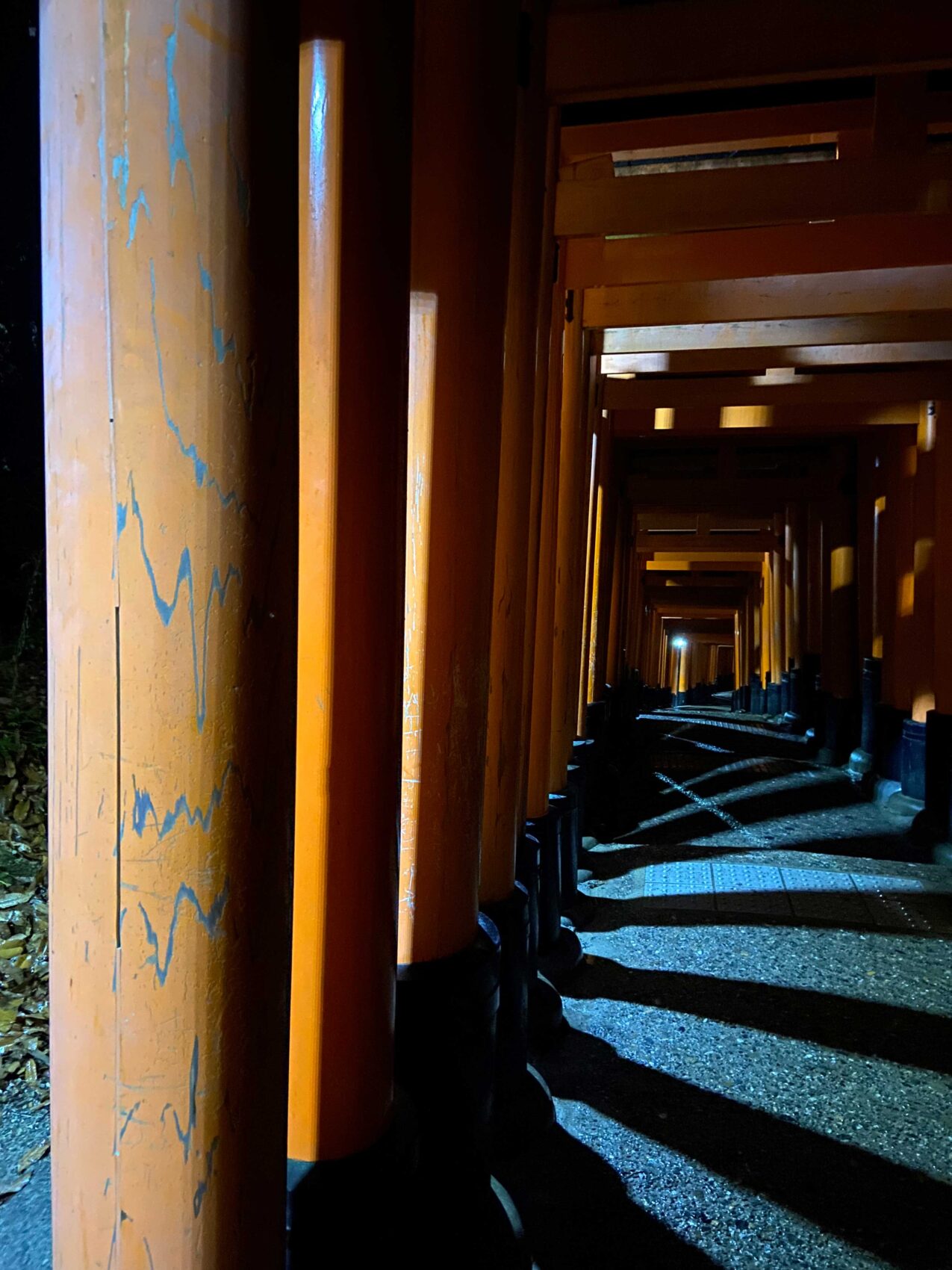
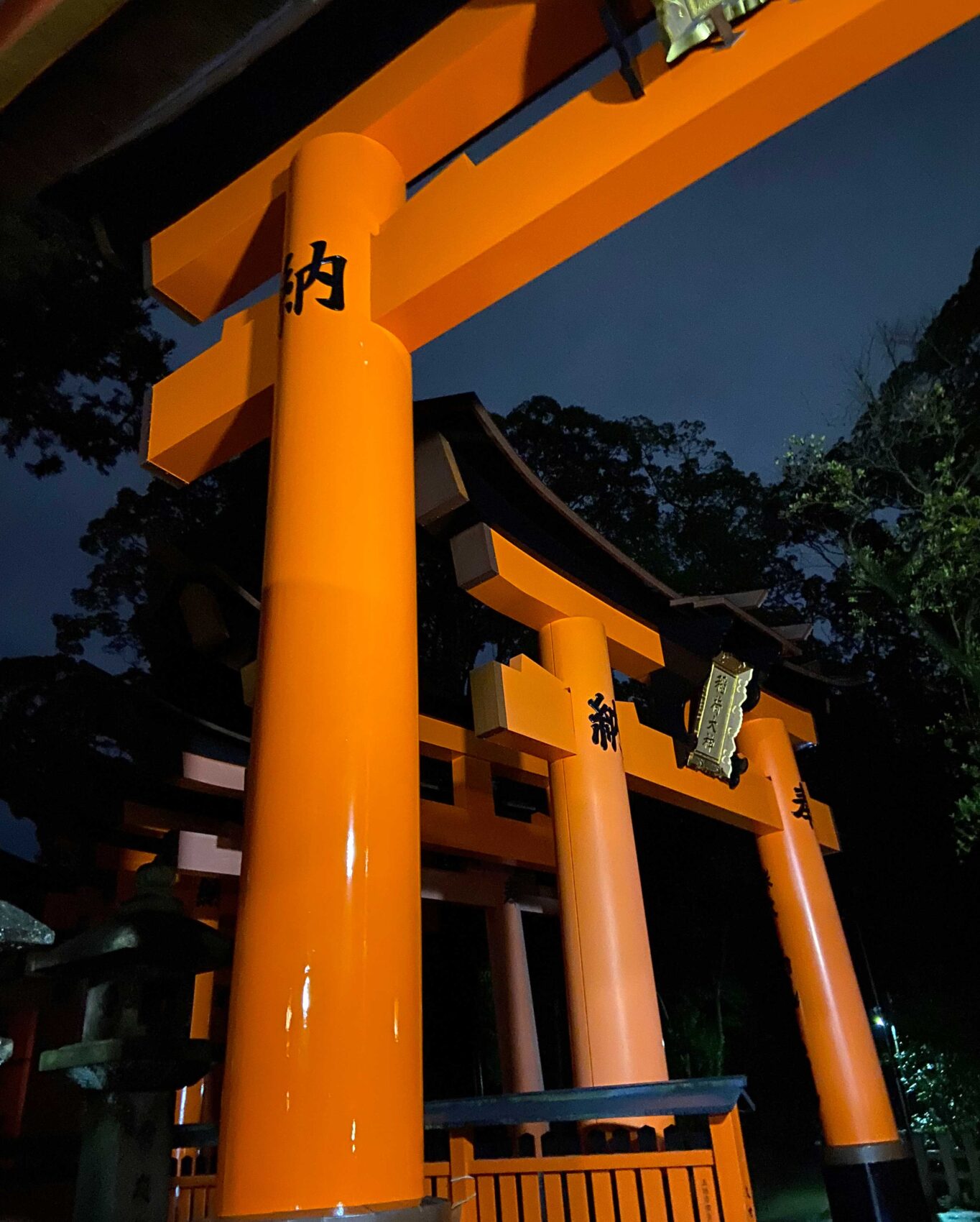
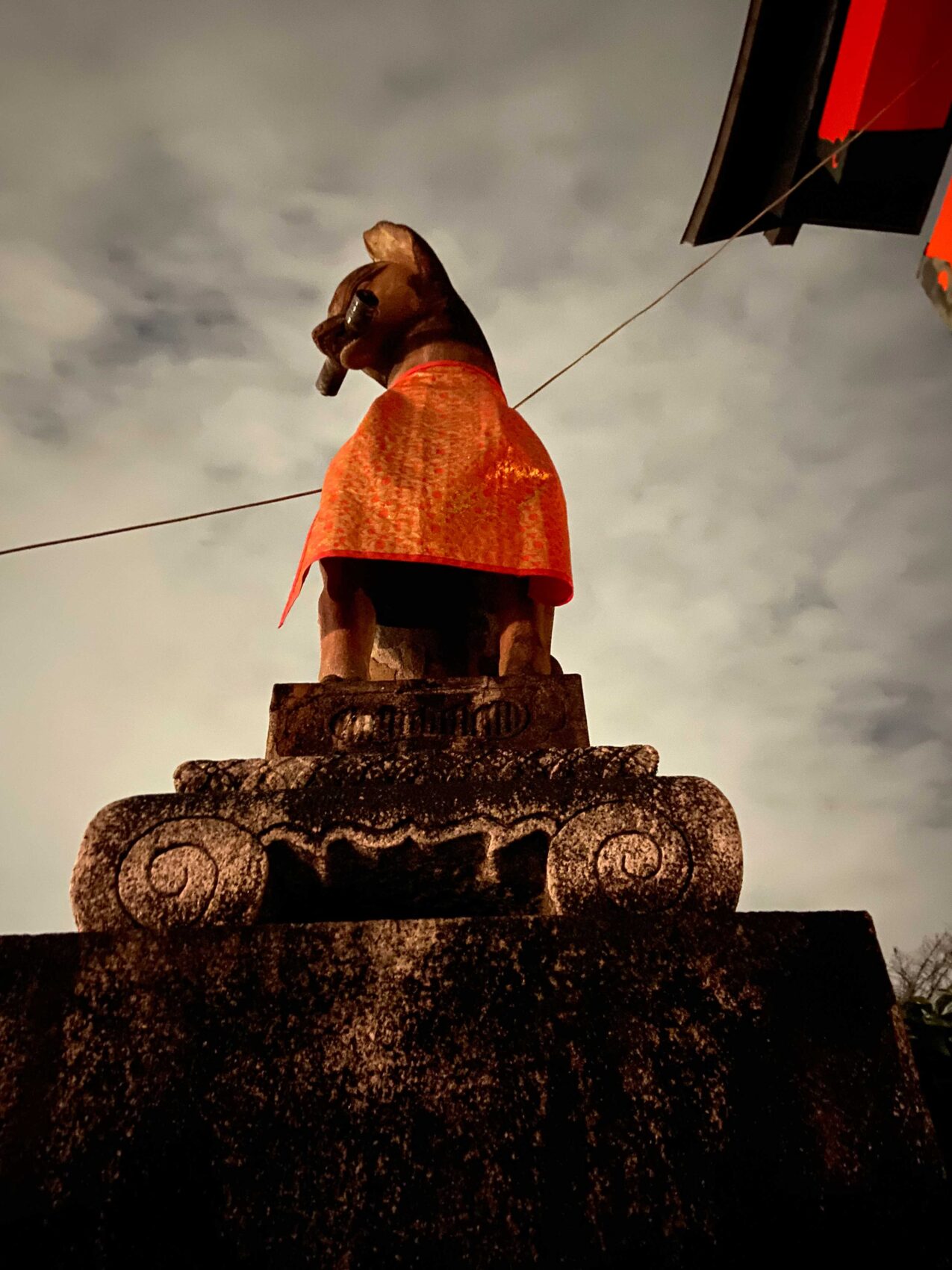
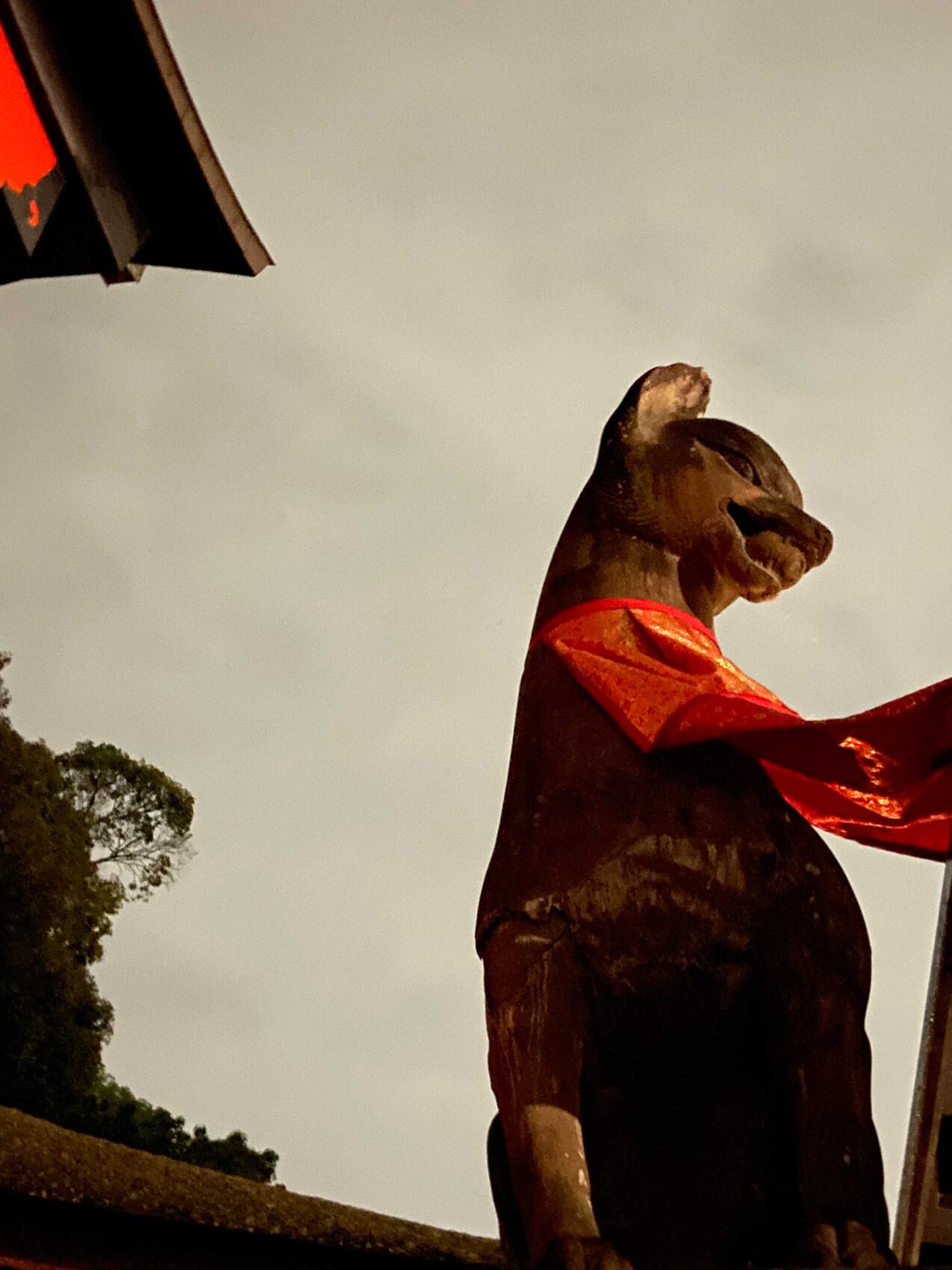
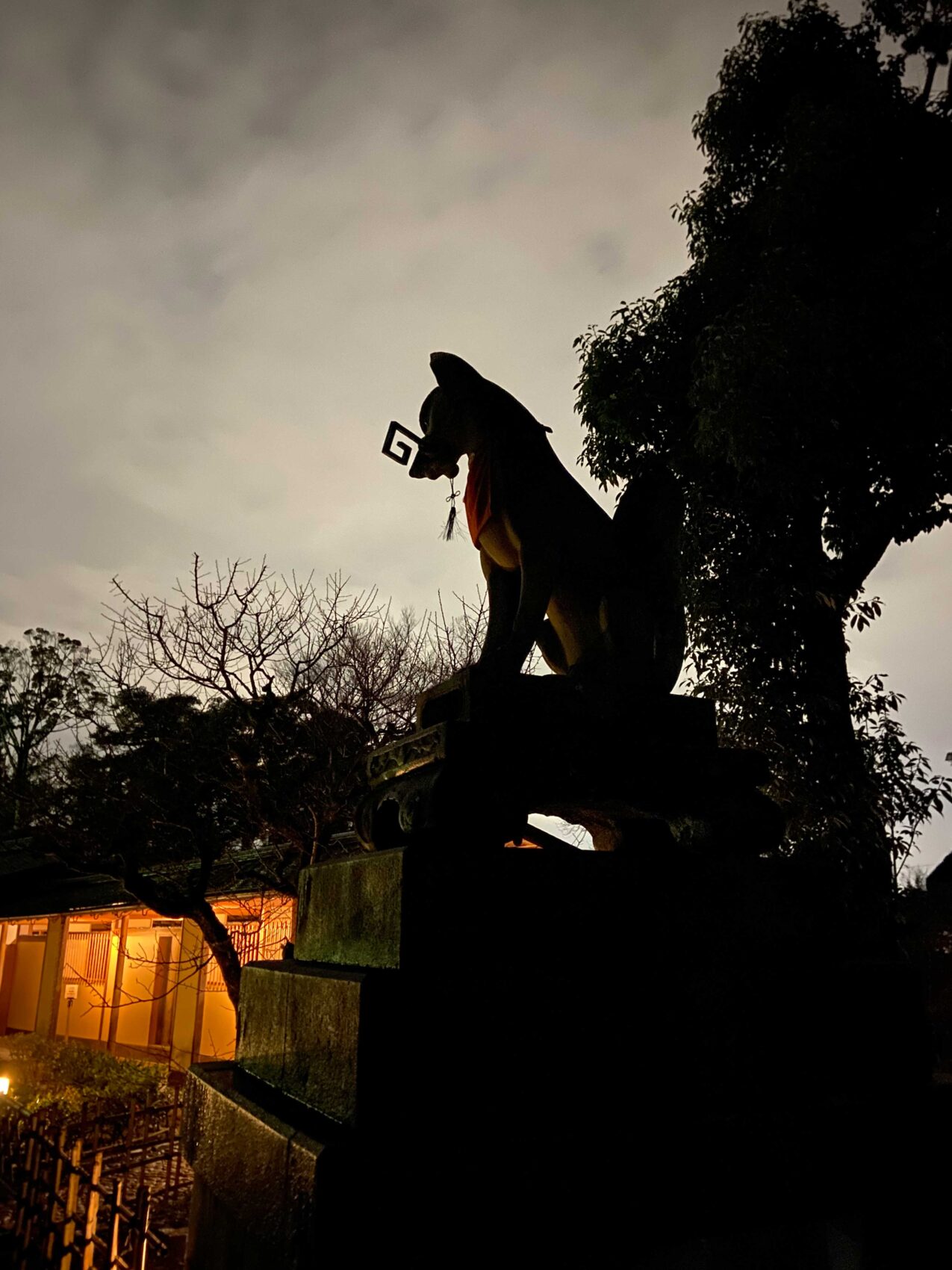
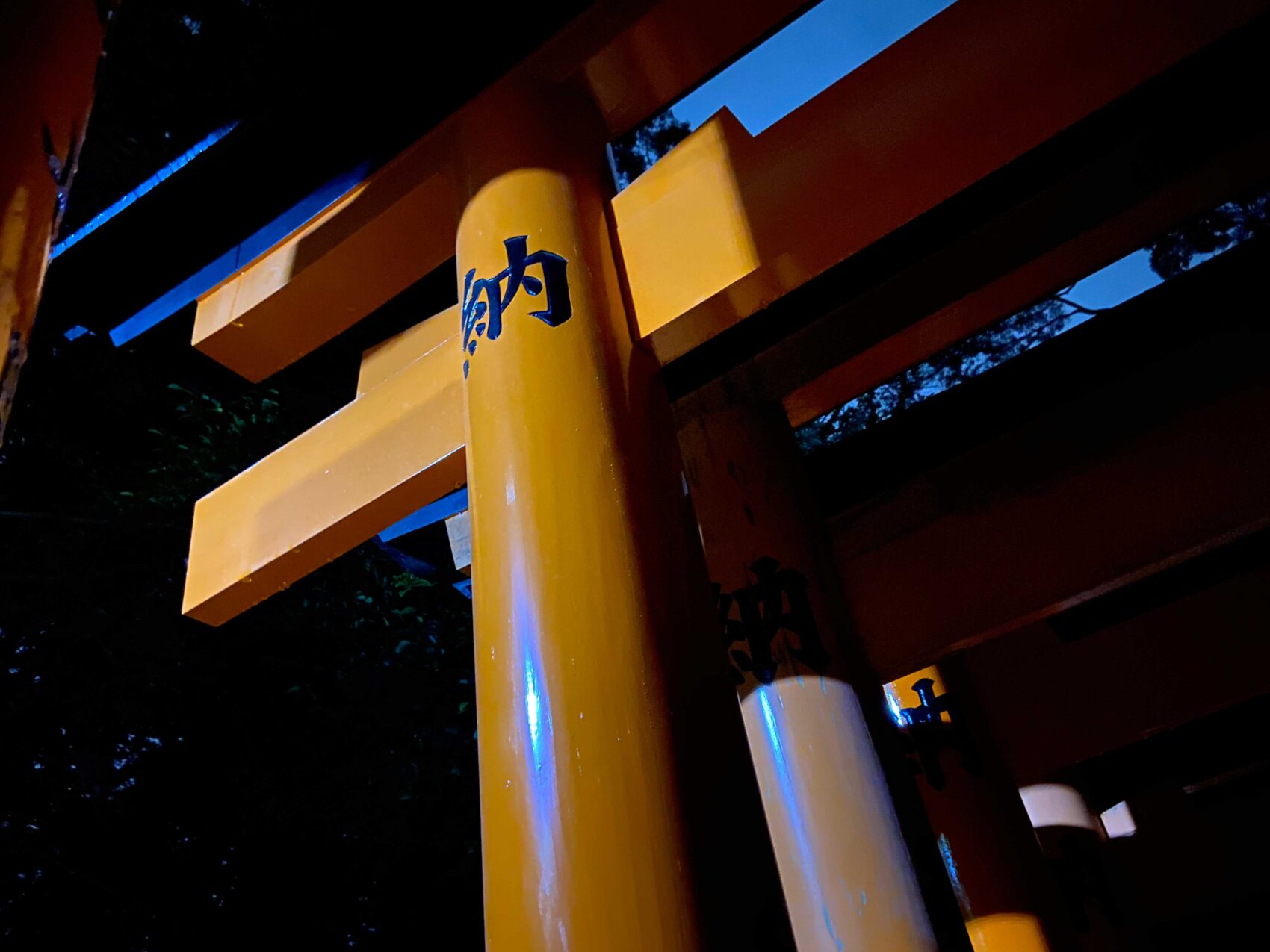
On the way back was an adventure. I got lost on the Kyoto subway system getting back from Fushimi Inari. I damn near ended up in Nara! How’d the hell that almost happen? The signs in Kyoto Station were a soup! I climbed four sets of stairs out of the station only to find myself at the wrong OMO5! Luckily a local bus not too far from me took me right back to my hotel. But it was the most ghetto-ass bus driver who I’ve seen so far on this trip. He was driving through the ghetto for real. It looked like Benning Road or the old Trinidad neighborhood.
I have been on probably dozens of public transit systems. Kyoto’s has broken me.
On Christmas morning, I took cabs everywhere.
Christmas Vibes in a Buddhist Country
Japan is a Buddhist country but vibes with Christmas culturally. You can still get your prayer on (leave your prayers in the womb of the goddess) and still enjoy the twinkling lights at night.When I tell you this place has put me fully into the Christmas spirit. I find myself bopping to all the Christmas music classics that held me hostage a lifetime ago when I worked in retail. Songs that gave me Stockholm syndrome by this time of year I actually find pleasant of my own free will. The decorations are so real and charming.
Take for example Umeda Christmas Market. It’s the crowds. The music. The lights. The smells of fried something with cinnamon. It reminds me of the German Christmas festivals I used to visit when I was a kid. The event was like what old school Milwaukee Folk Festivals were like. Packed with people, full of festive spirit, and very, very German. The city lights are as I had imagined them. They bring a festive warmth to what would otherwise feel like a bummer of a winter. My heart is already filled with the spirit.
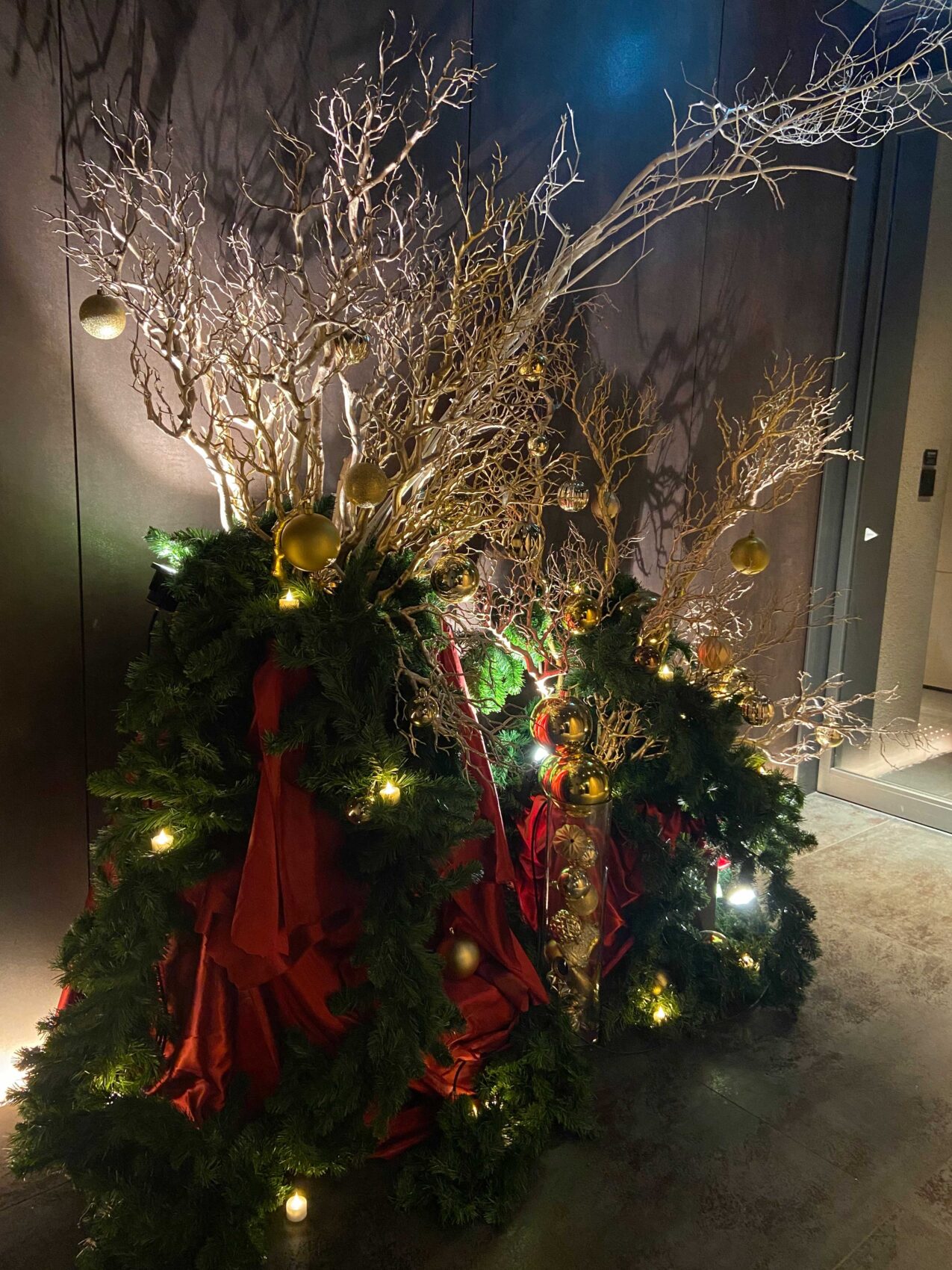
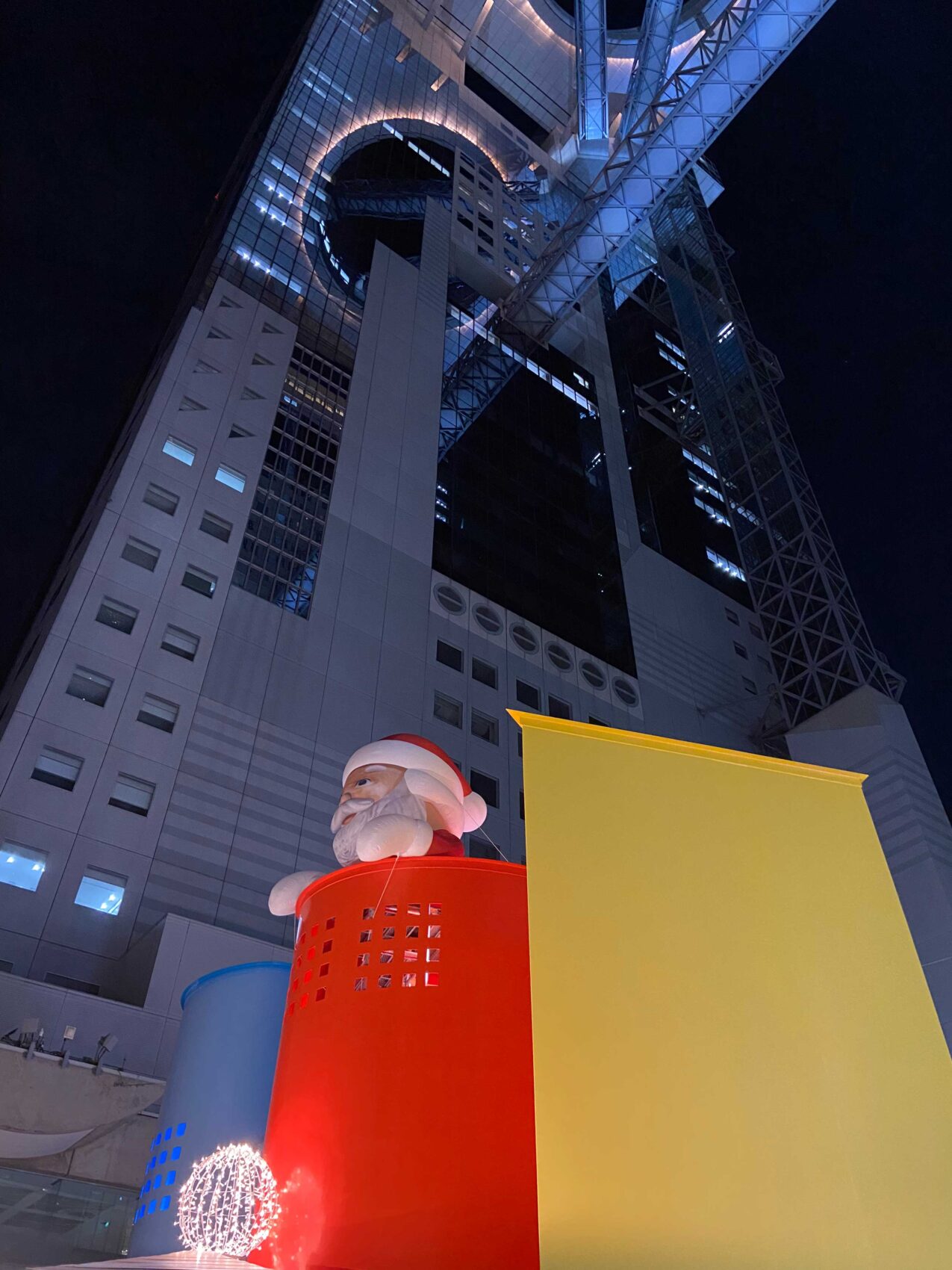
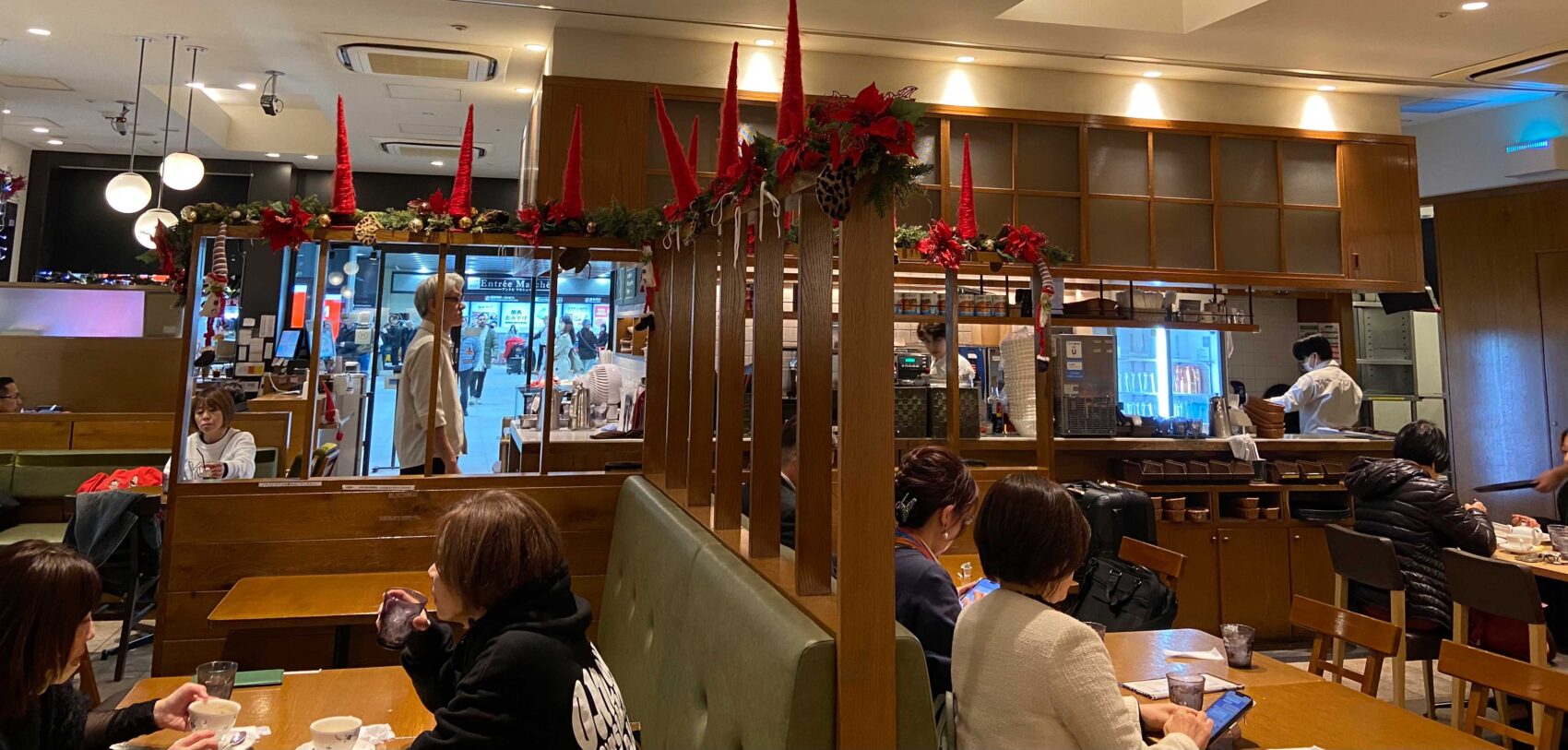
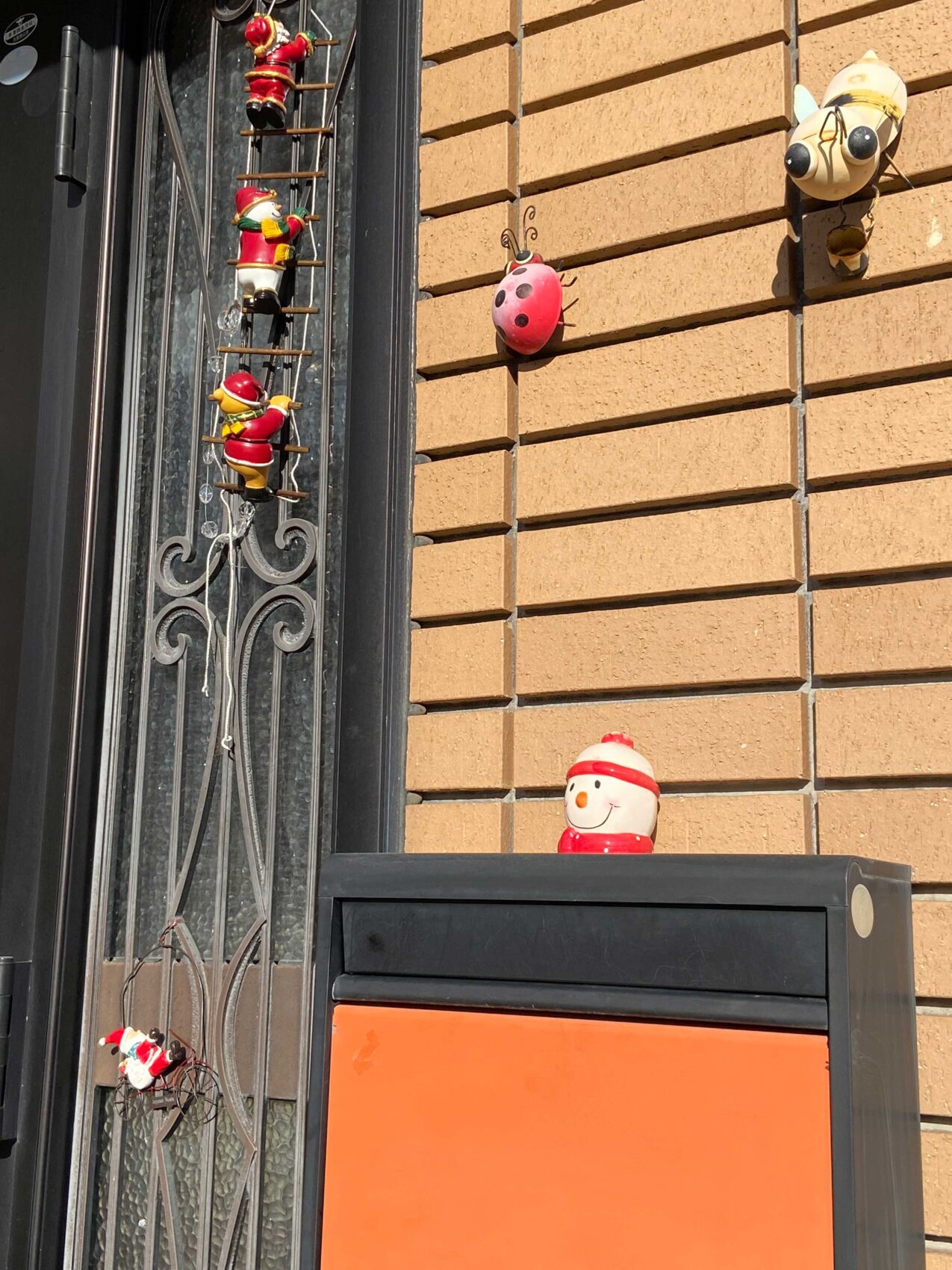
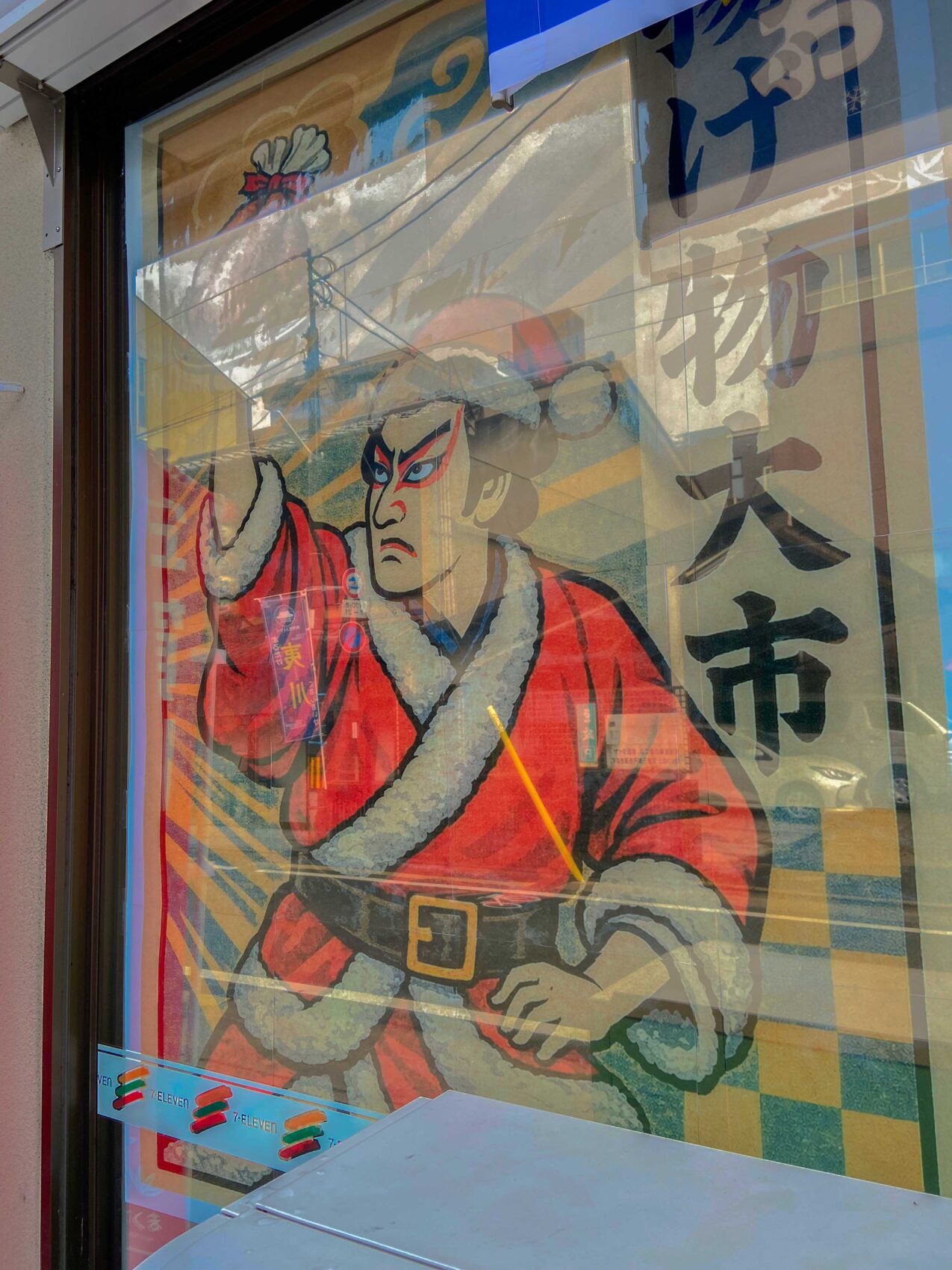
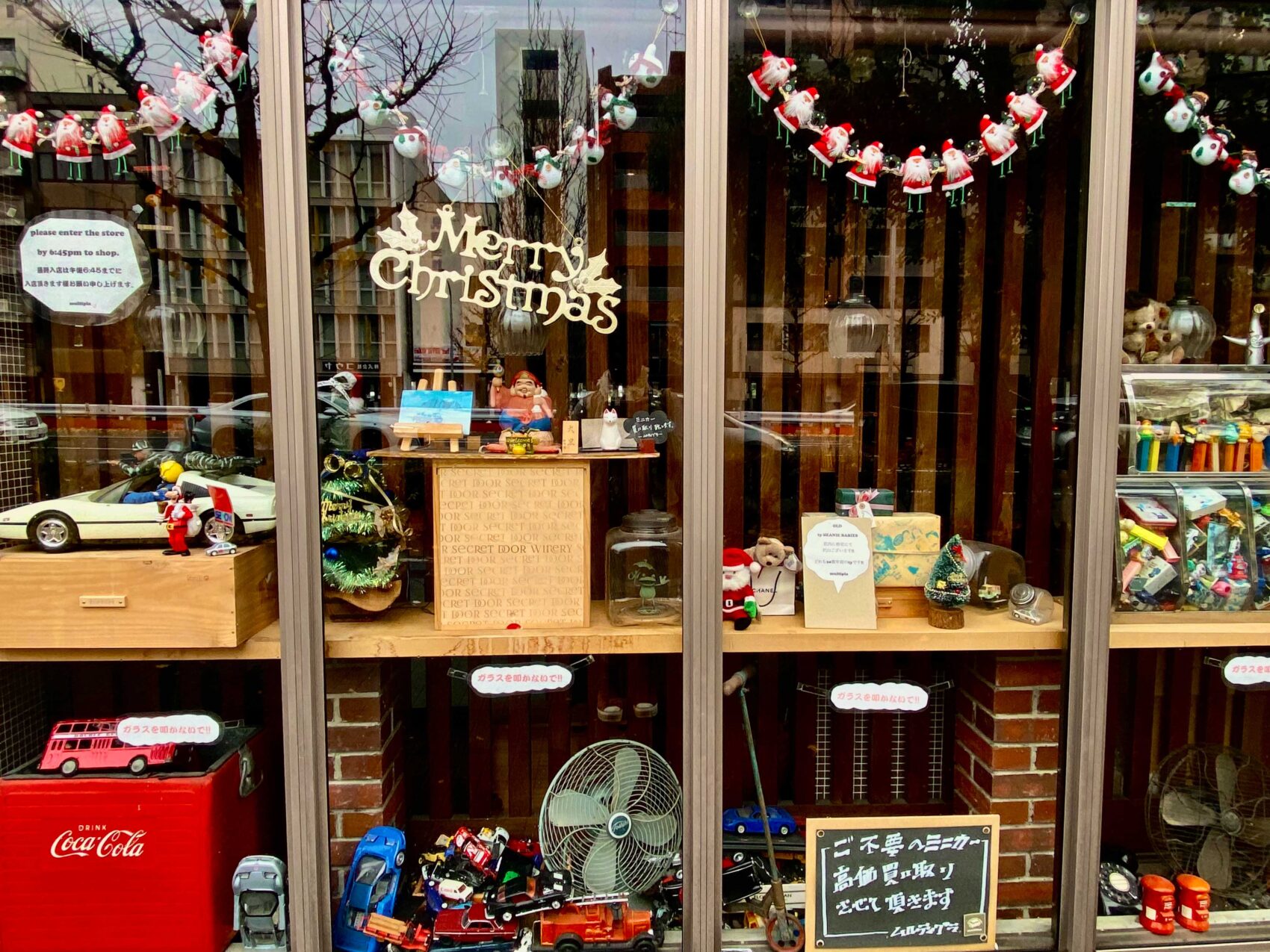
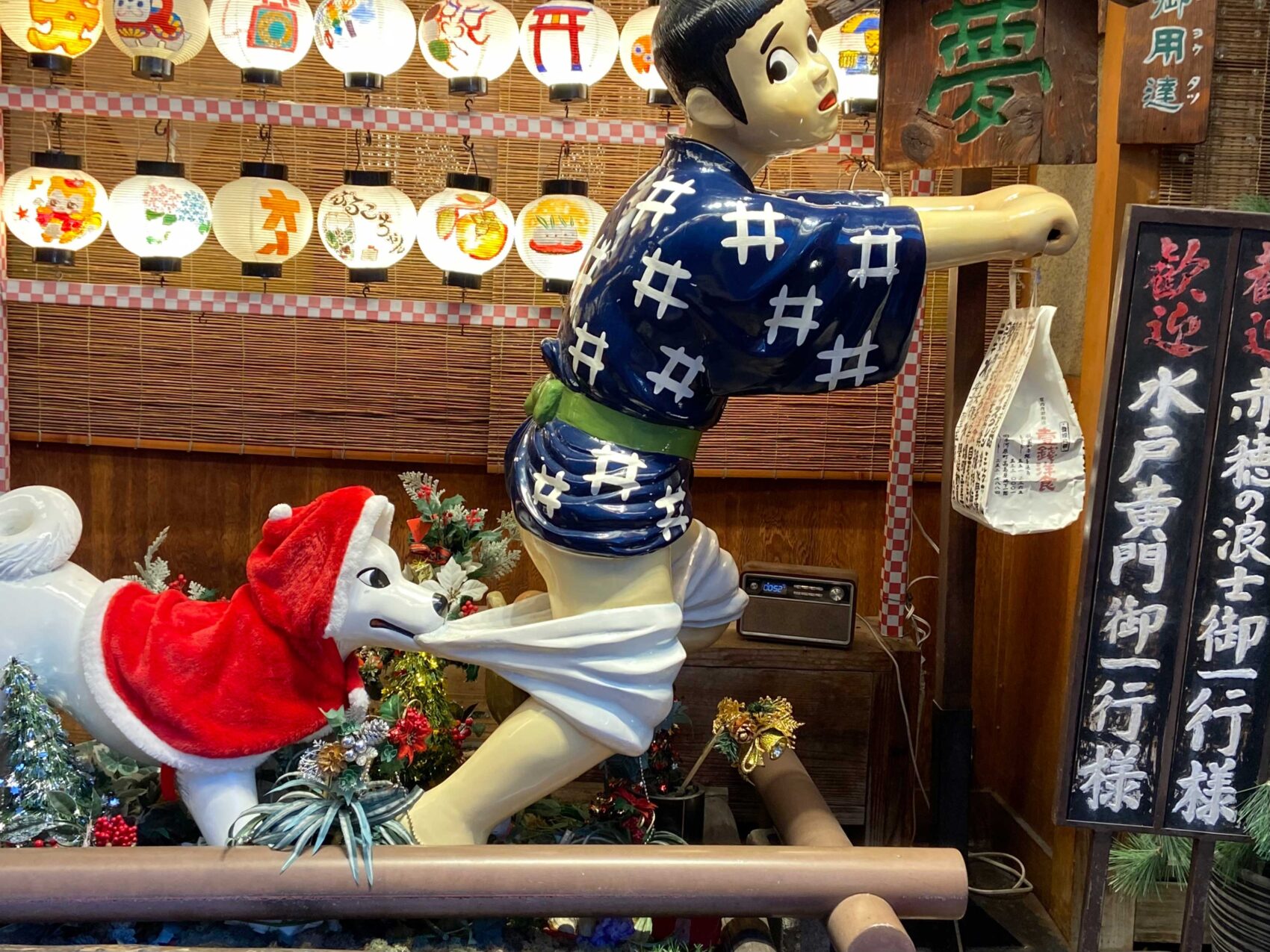
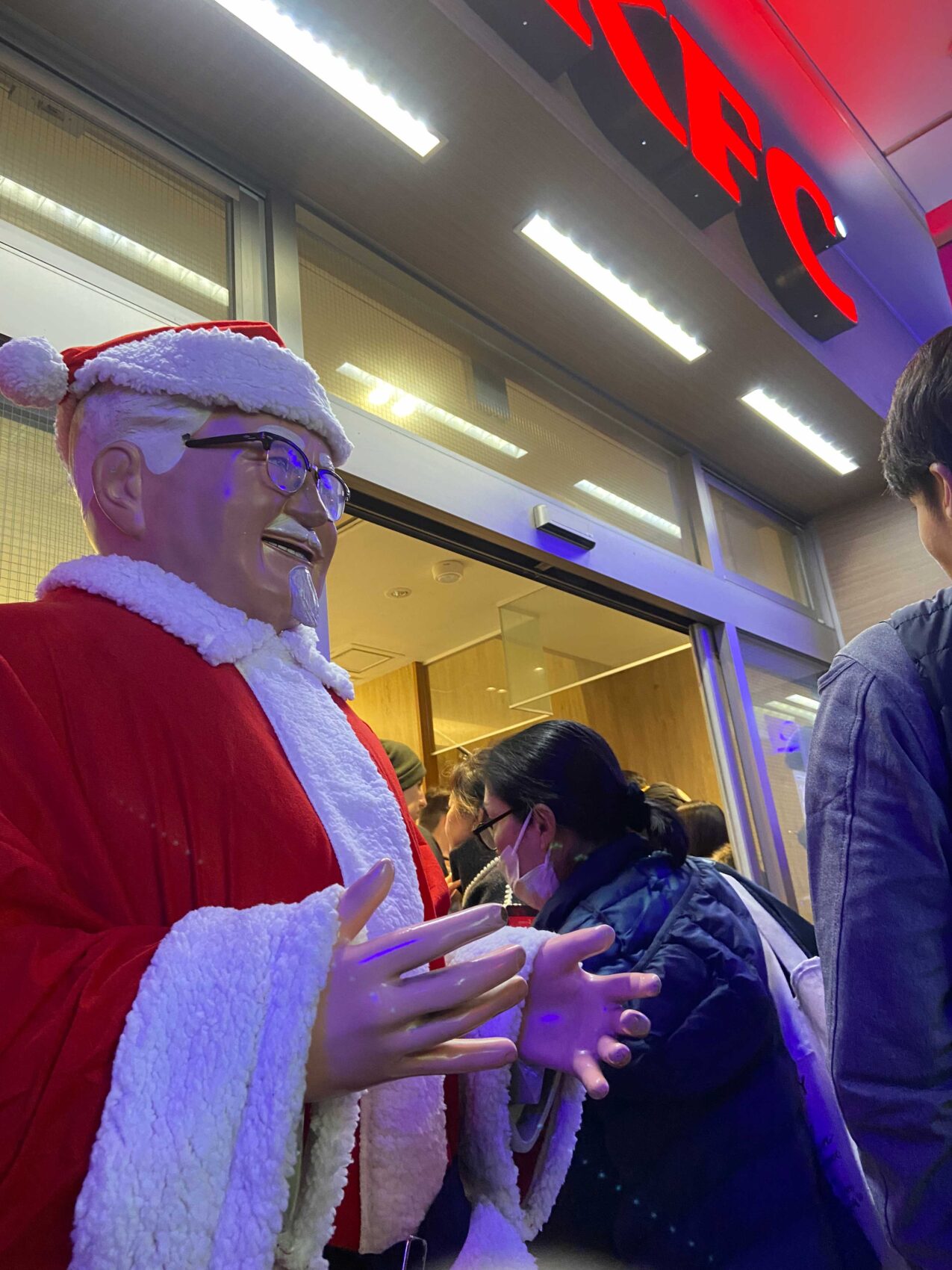
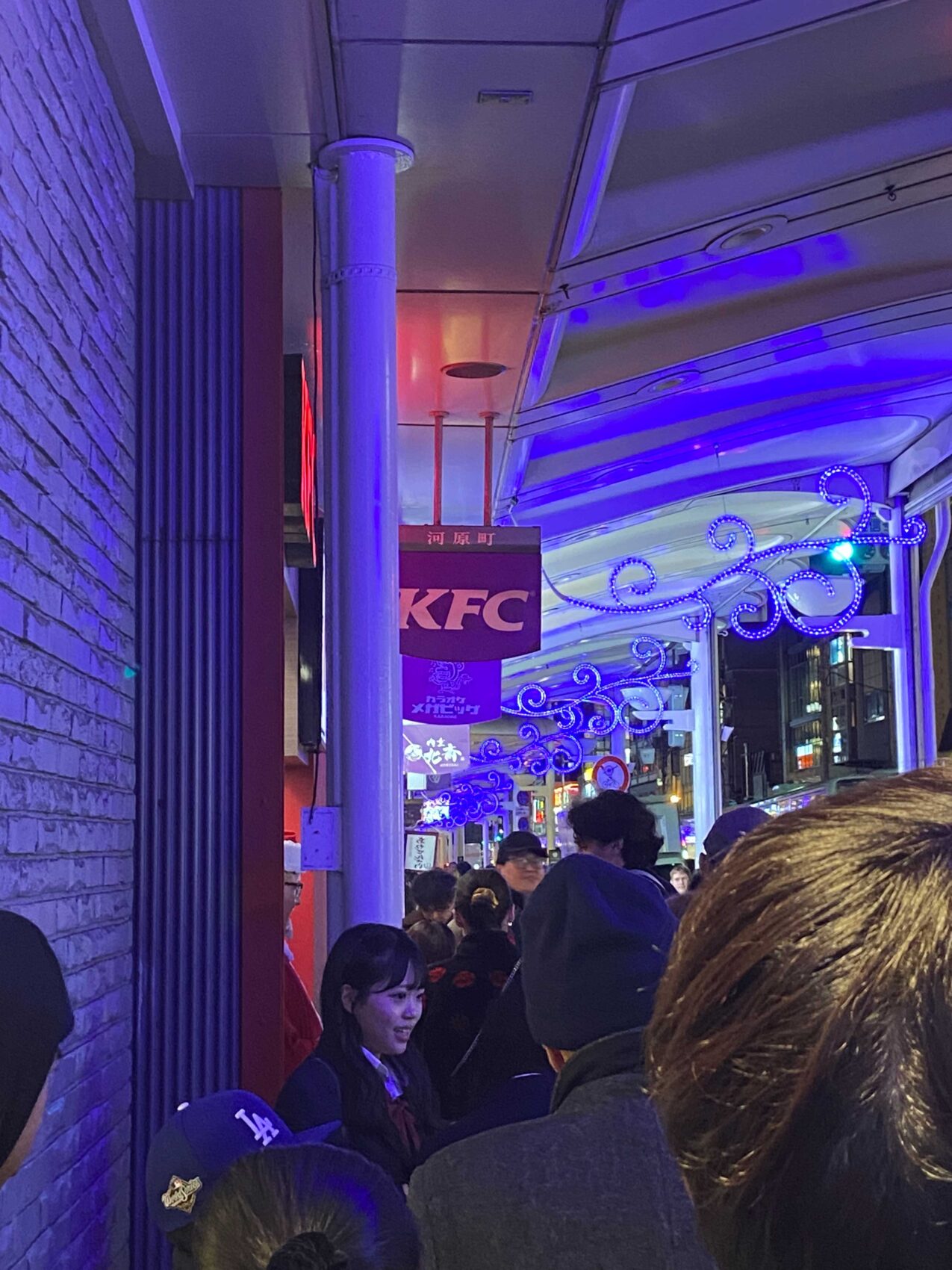
Japan really loves the cultural elements of Christmas: The decorations, the music, the tree. Their musicians make original Christmas music.
They even have a tradition of eating fried chicken on Christmas Day. But in many ways, so do we in the U.S. other than making Christmas a national holiday, this is pretty much how we treat Christmas. It’s something about the decorations and cultural traditions that brighten our lives during short, cold days and long dreary nights.
Japan has a tradition of eating fried chicken for Christmas. Kyoto is wonderful, but only has one place to buy fried chicken: KFC. This is the sad cousin of chicken joints in the U.S. this wonderful city has a Gucci store before it has a Popeyes or even a Jollibee. Something about that seems unfair.
Ryozen Kannon
Again, according to Google AI, “Ryozen Kannon Temple stands as a striking testament to peace and remembrance. This unique Buddhist temple, established in 1955, serves as a solemn memorial to those who lost their lives during the Pacific War. With its towering 24-meter concrete statue of Kannon, the Goddess of Mercy, overlooking the grounds, Ryozen Kannon offers visitors a profound space for reflection and contemplation.”
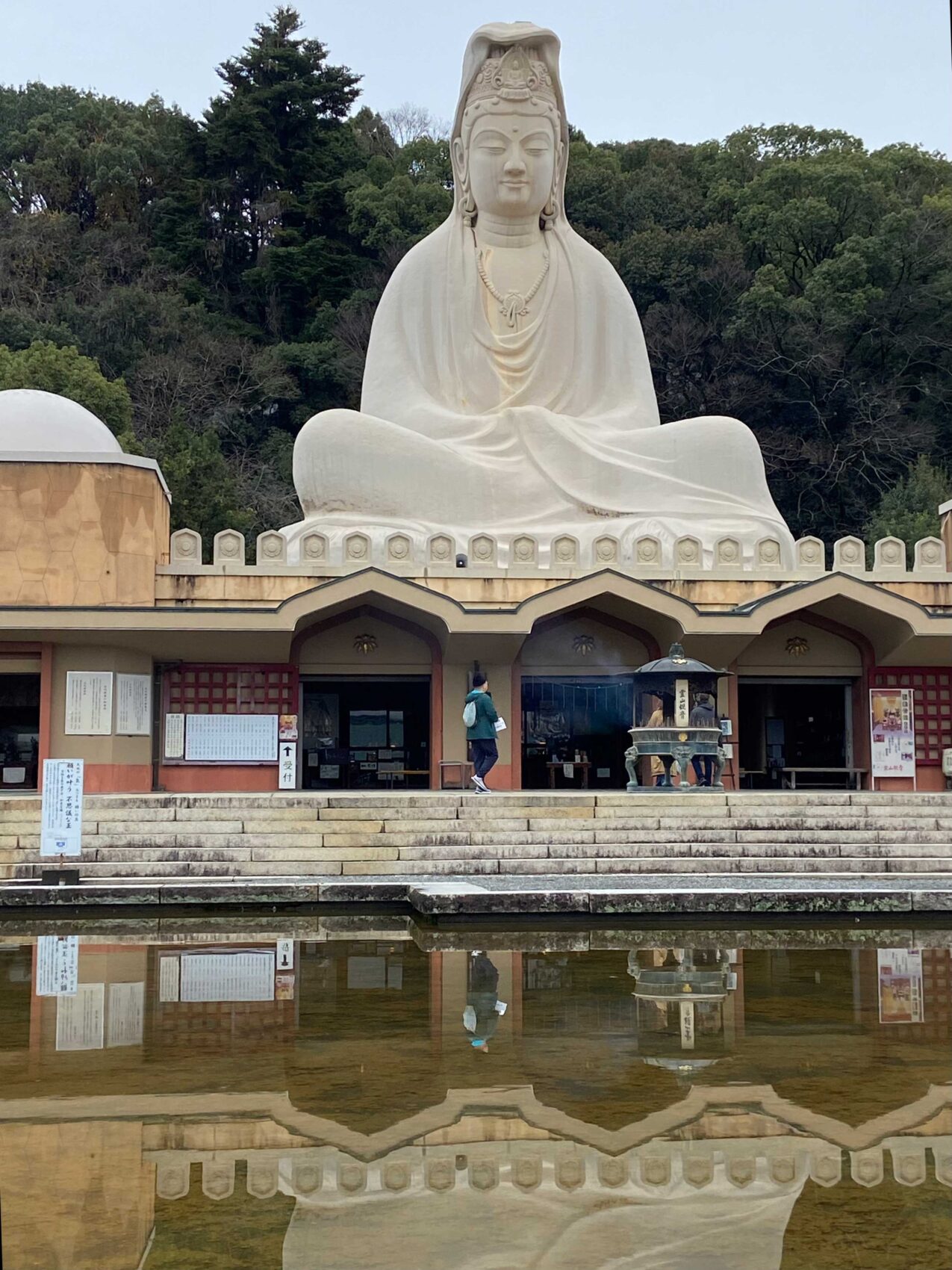
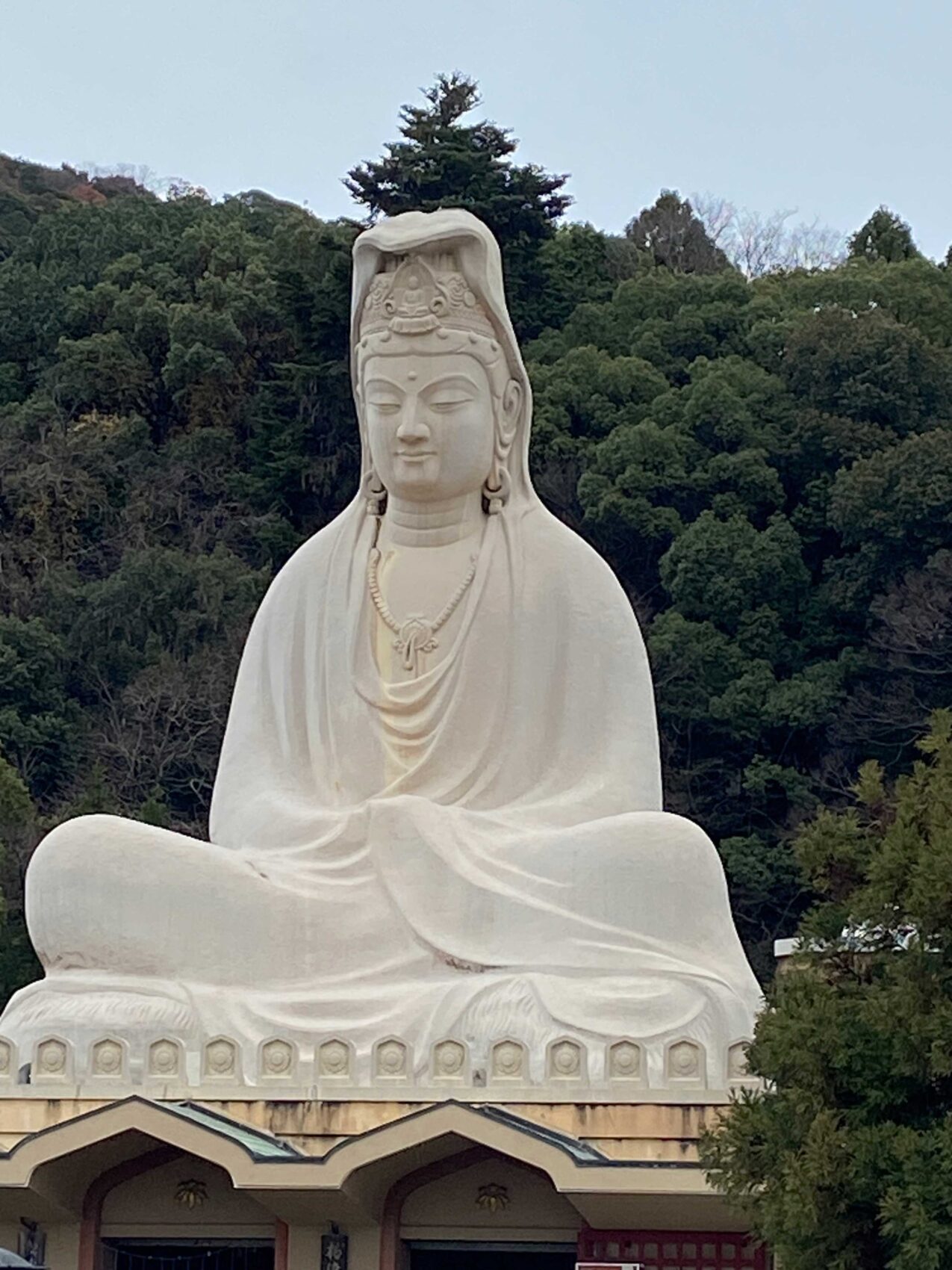
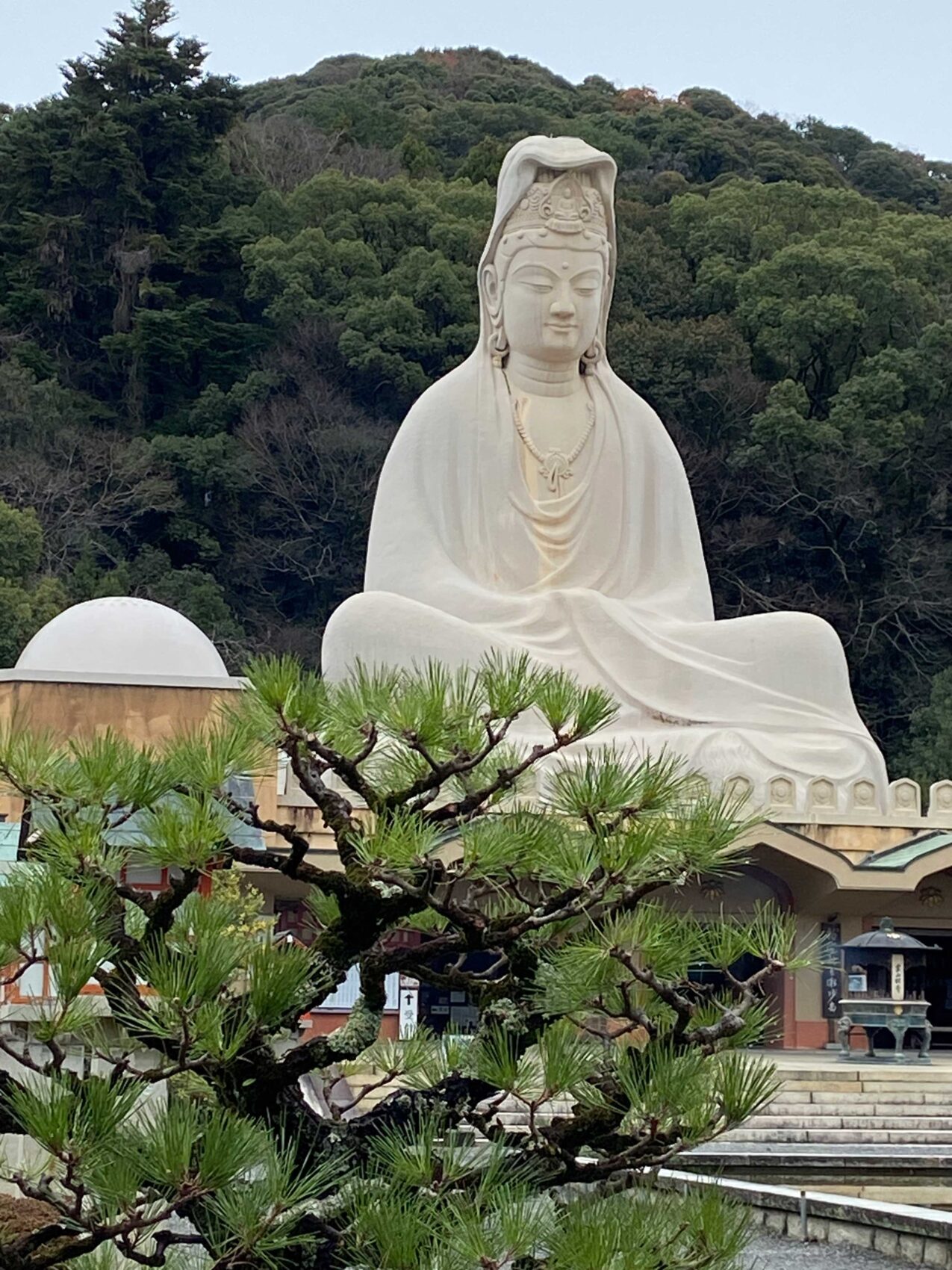
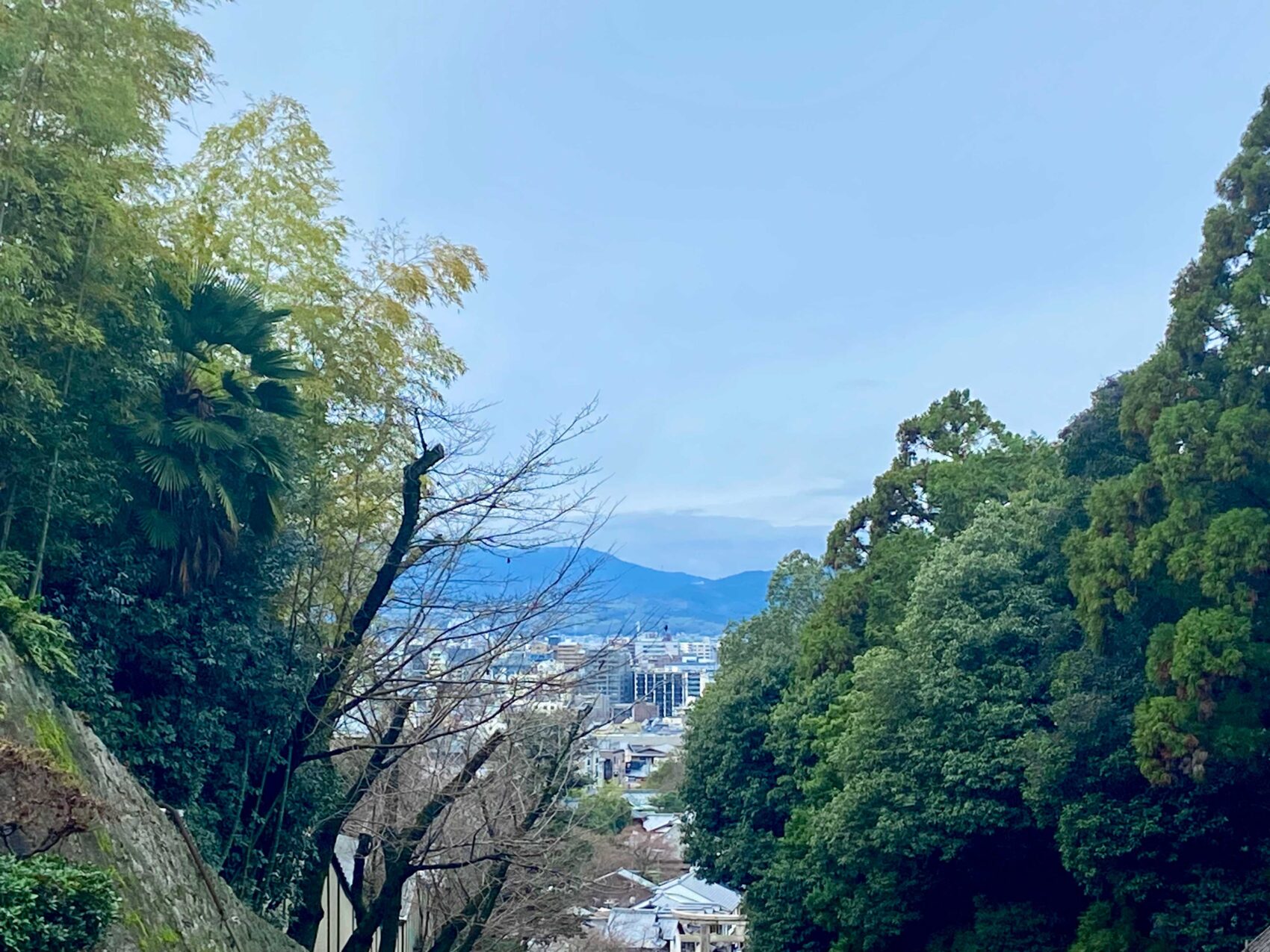
I remember speaking to a fellow visitor and I was attempting to describe my understanding of this temple. I kept saying how it was remembering those who had lost their lives. He kept reminding me that it’s actually a temple dedicated to peace. I guess it’s the American in me that is so used to seeing memorials dedicated to fallen soldiers. We rarely reframe lost lives as a commitment to peace.
”It’s not Midnight Mass (if you’re Catholic), but it’s still an incredible way to practice some spiritual healing during this time..
Kinosaki on a White Christmas
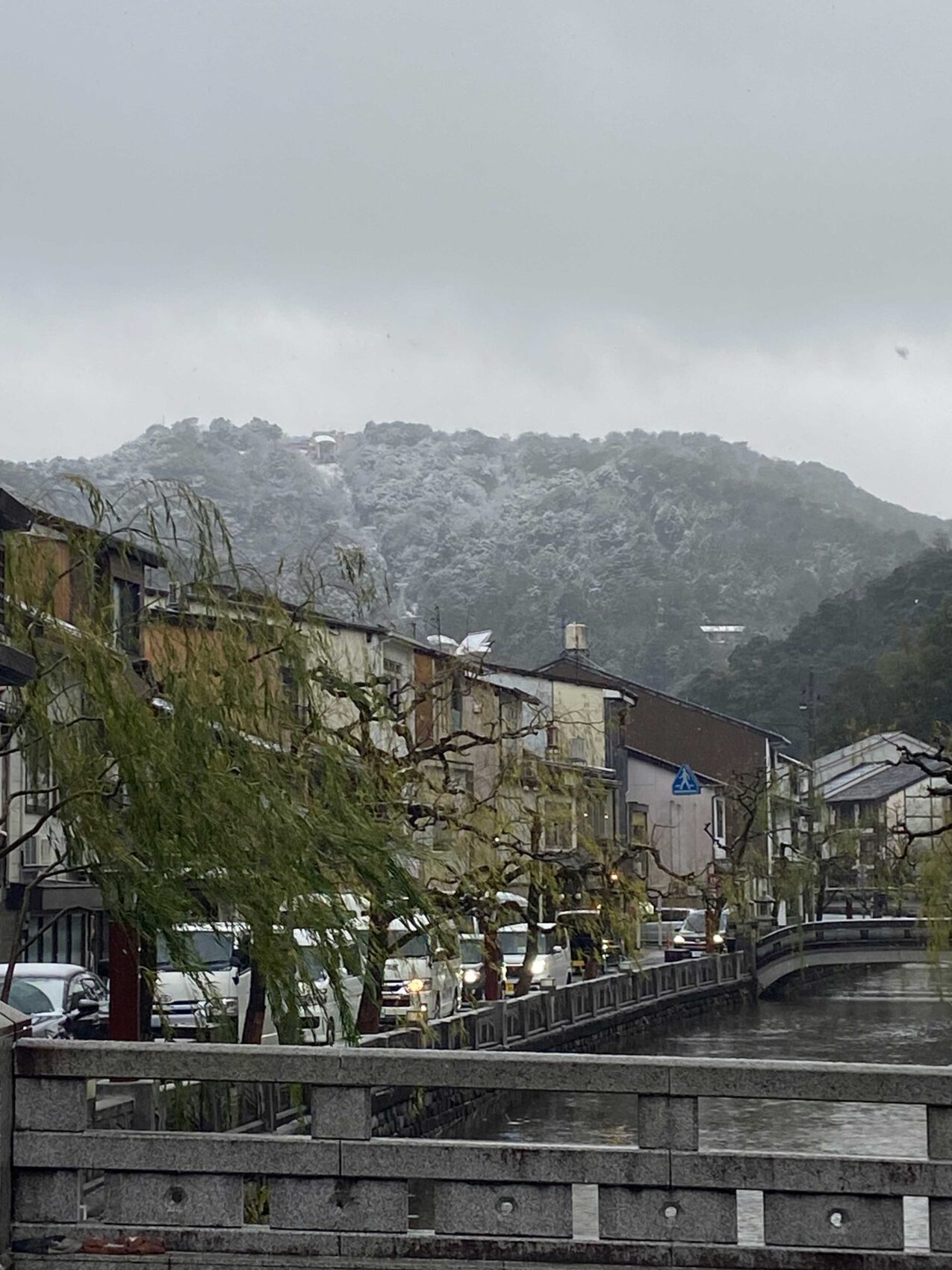
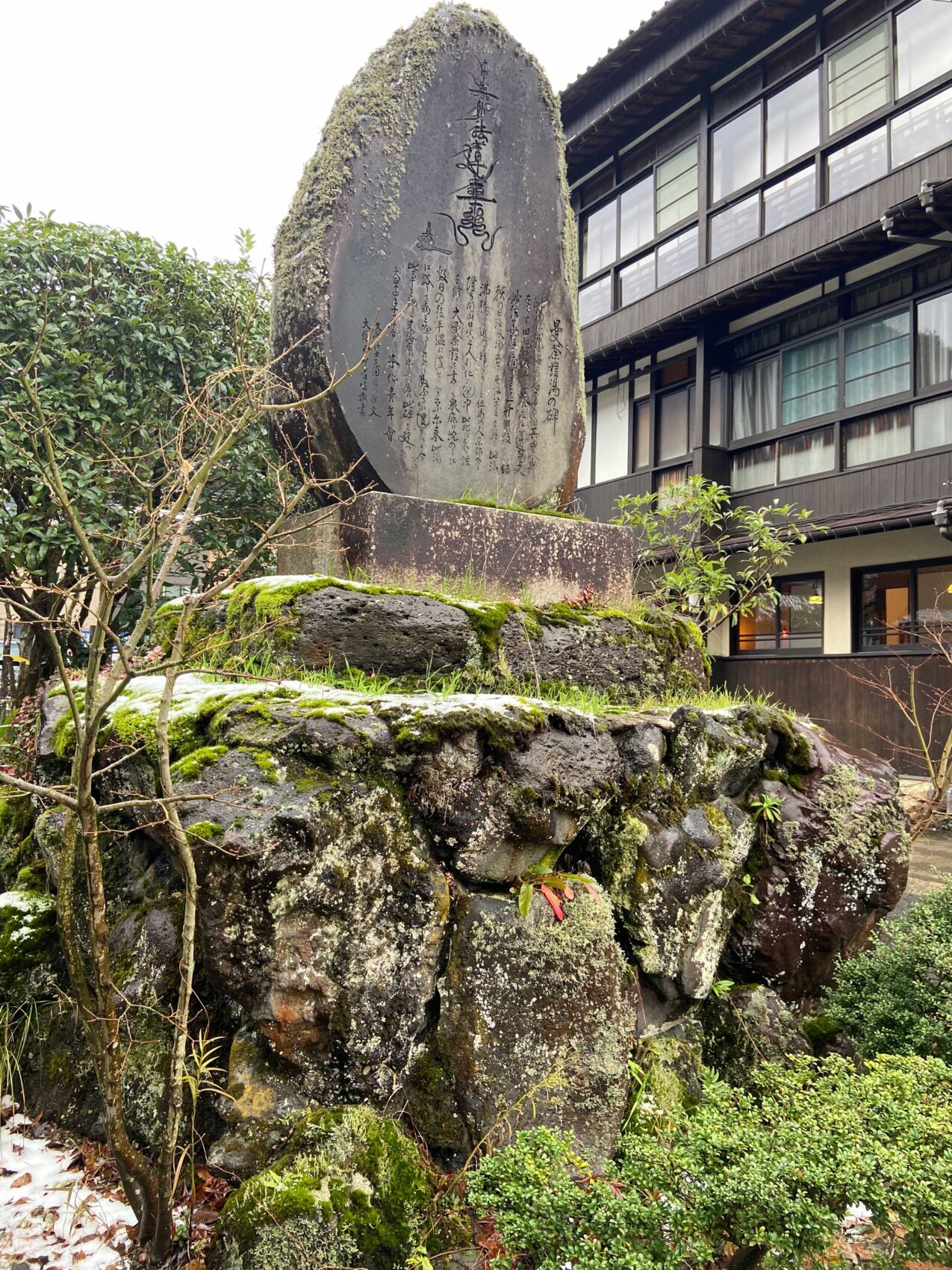
Kinosaki became a dream come true. Located about 2.5 hours away from Kyoto, this town is popular for its tattoo-friendly onsens. In Japan, onsens are natural hot springs that have restorative properties. But most public onsens are not available to people with tattoos because of their association with the yakuza. While attitudes are slowly changing, it can be difficult finding quality public onsens. Finding Kinosaki was perfect, but was still uncertain on what to expect.
Logistically, things flowed smoothly. I got up early to catch the 7:31 to Kinosaki. Called a taxi which got me there quickly. Had time to get yen and buy my ticket at the ticket counter. I was the second person in line. It was pure theater watching the ticket agent process my ticket. He has one of those old-school computer systems and he knew how to work the keypad with one hand. The way he was winding up his wrist before typing away. And, in true Japanese culture, handed the ticket to me with both hands and bowed. Gotta respect the rituals.
I grabbed a bit of food at the 7-11 kiosk and waited for the train to arrive. When the train finally arrived I made another faux pas (one of I think 500) on this trip. I climbed onto the train before allowing train maintenance to check for cleaning. This is level of public transit maintenance that I didn’t know was possible until coming here.
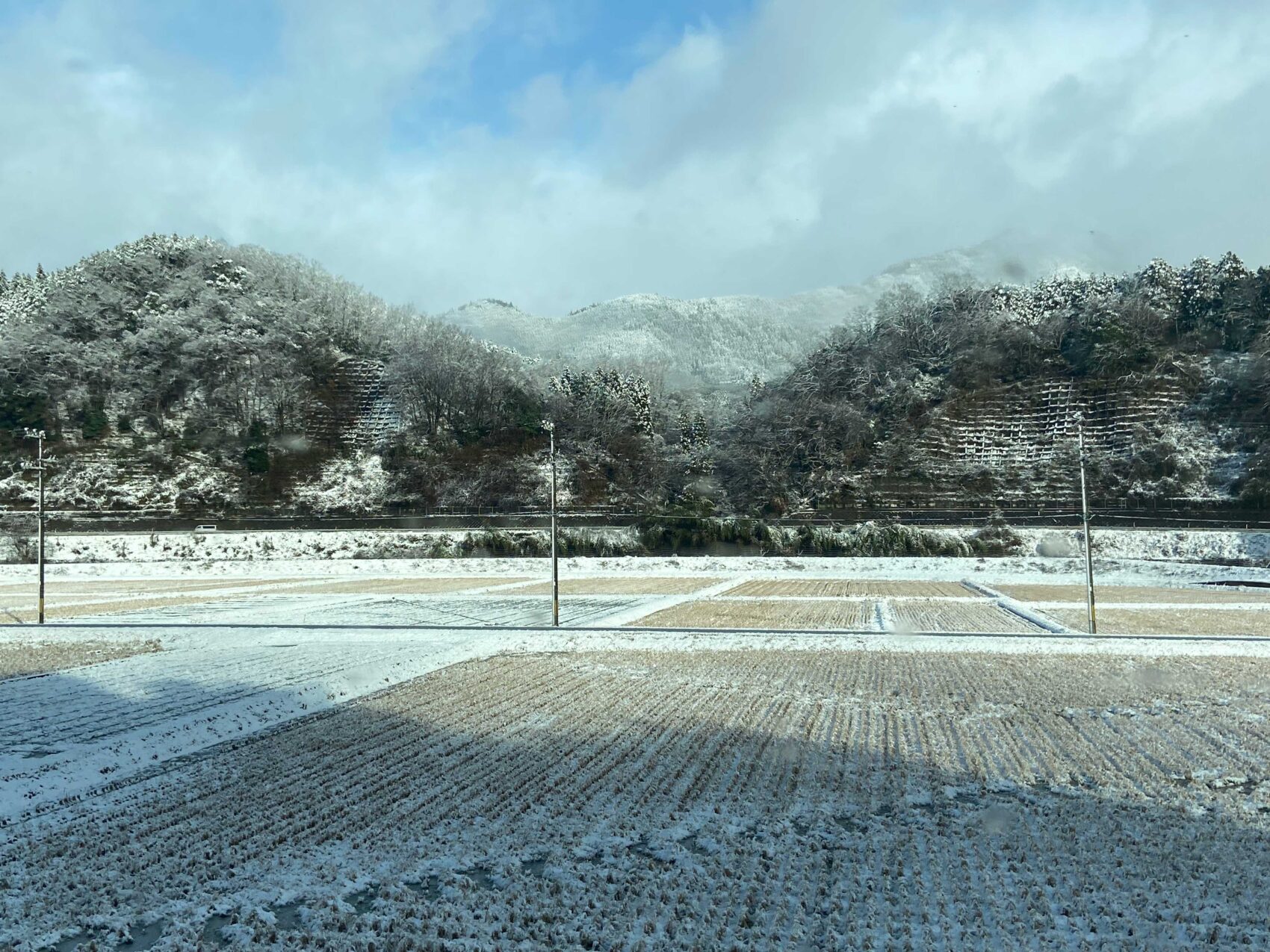
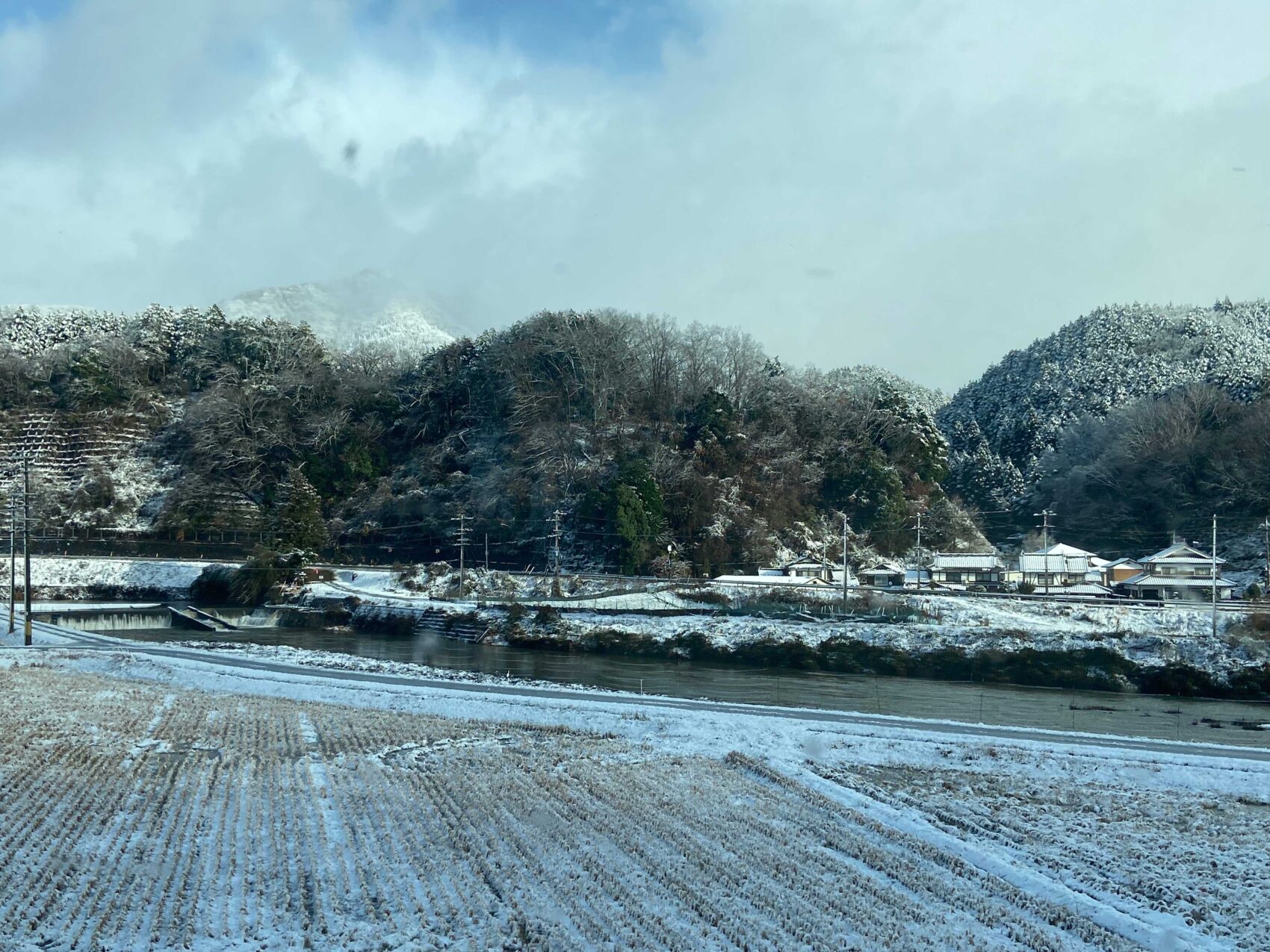
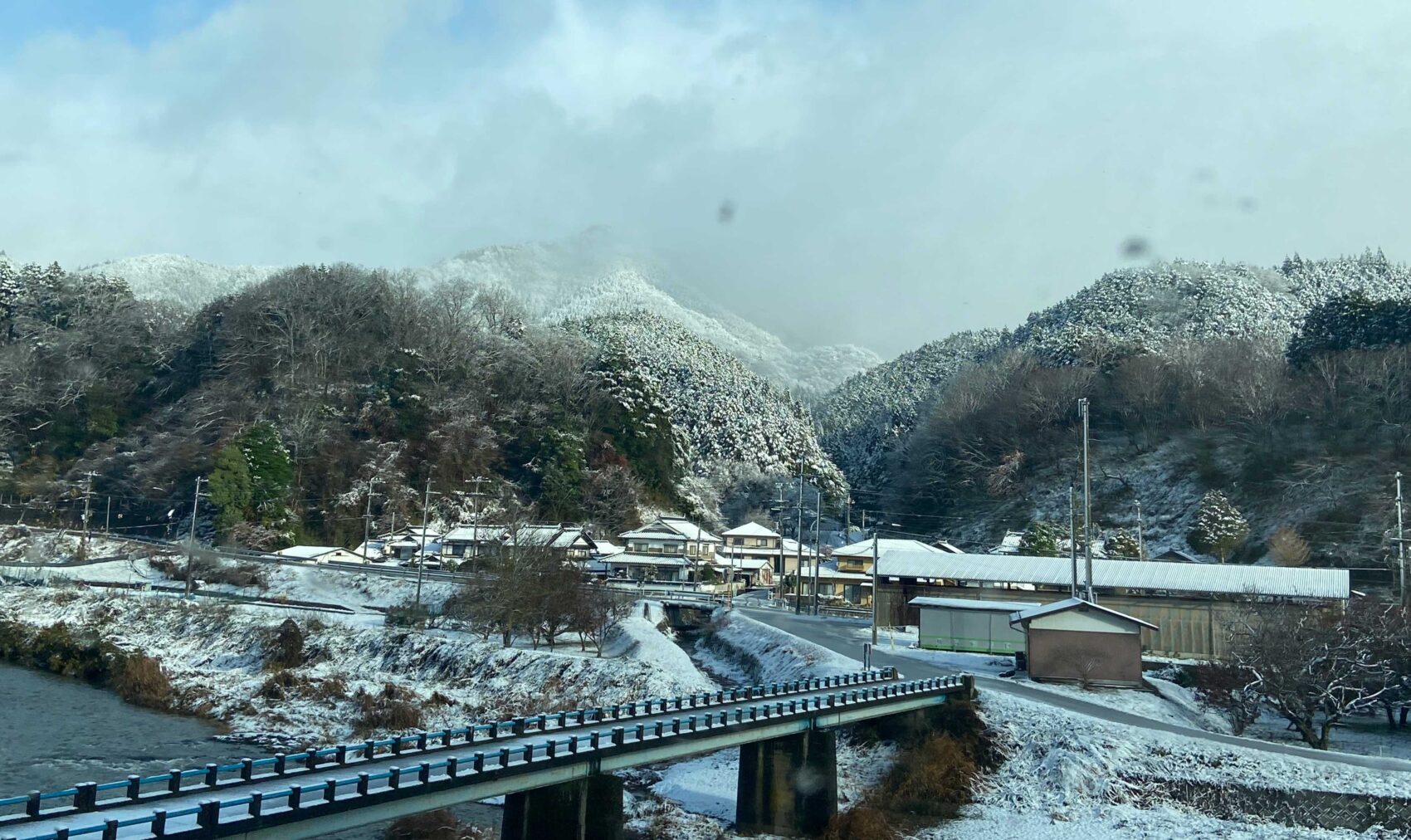
As the train gathered steam (so to speak) I noticed some mountains in the distance becoming snow-capped. “Sleet” was in the forecast, but “sleet” from what I come from looks different. This was more like snow. Train kept going, snow got heavier, blanketing the mountains, persimmon trees and roofs of the rural folk’s homes. I don’t remember the last time I got a truly white Christmas, but it was happening, there right outside my train window. Sometimes the sun would show up then mere minutes later it would fade into overcast. It felt like I was on The Polar Express. Like the (many) kids who didn’t always have an easy time at Christmas, I wanted something to look forward to. Something simple and joyful that would take me away from the anger, pain, and resentment of home. That little kid in me got that wish yesterday, on the Kinosaki Limited Express.
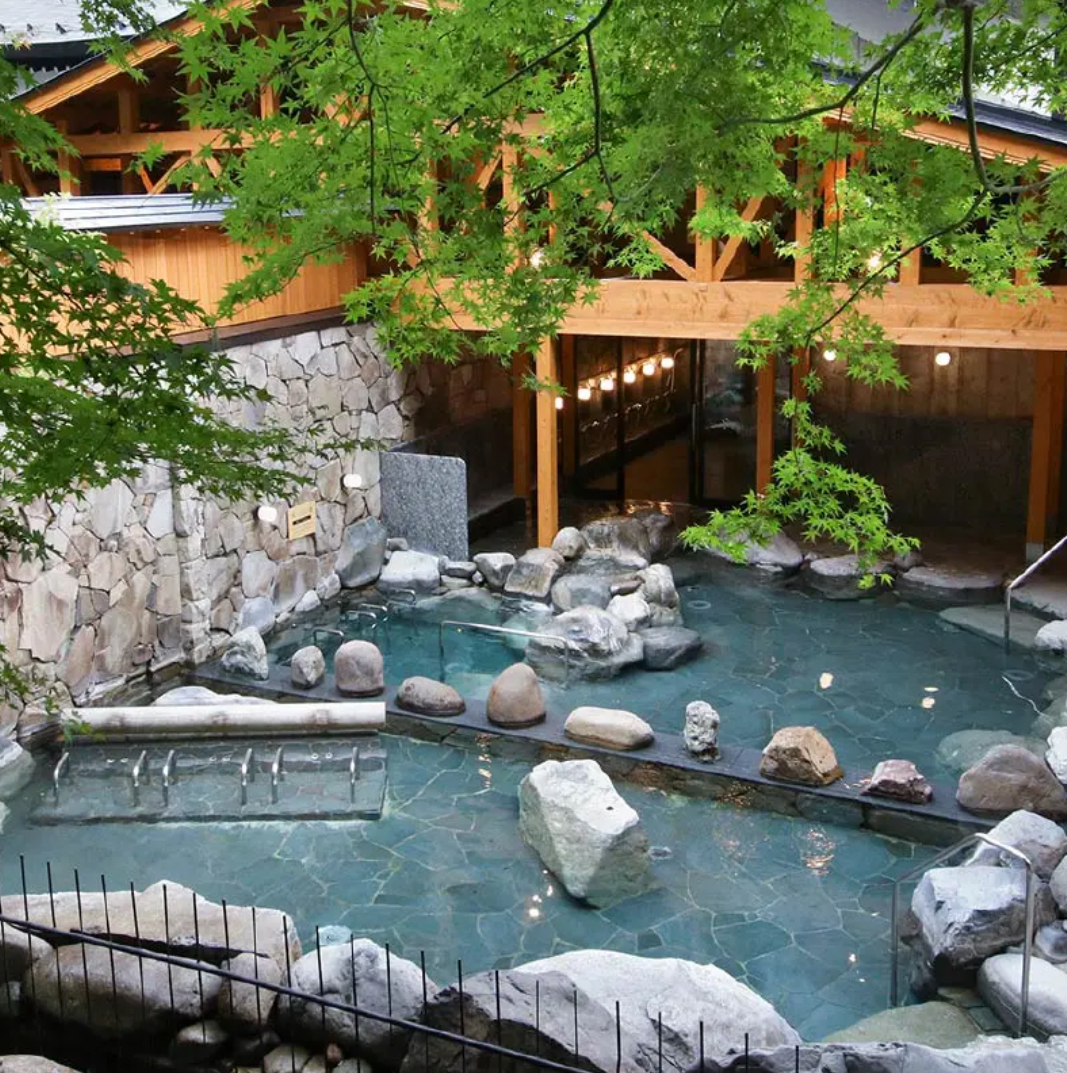
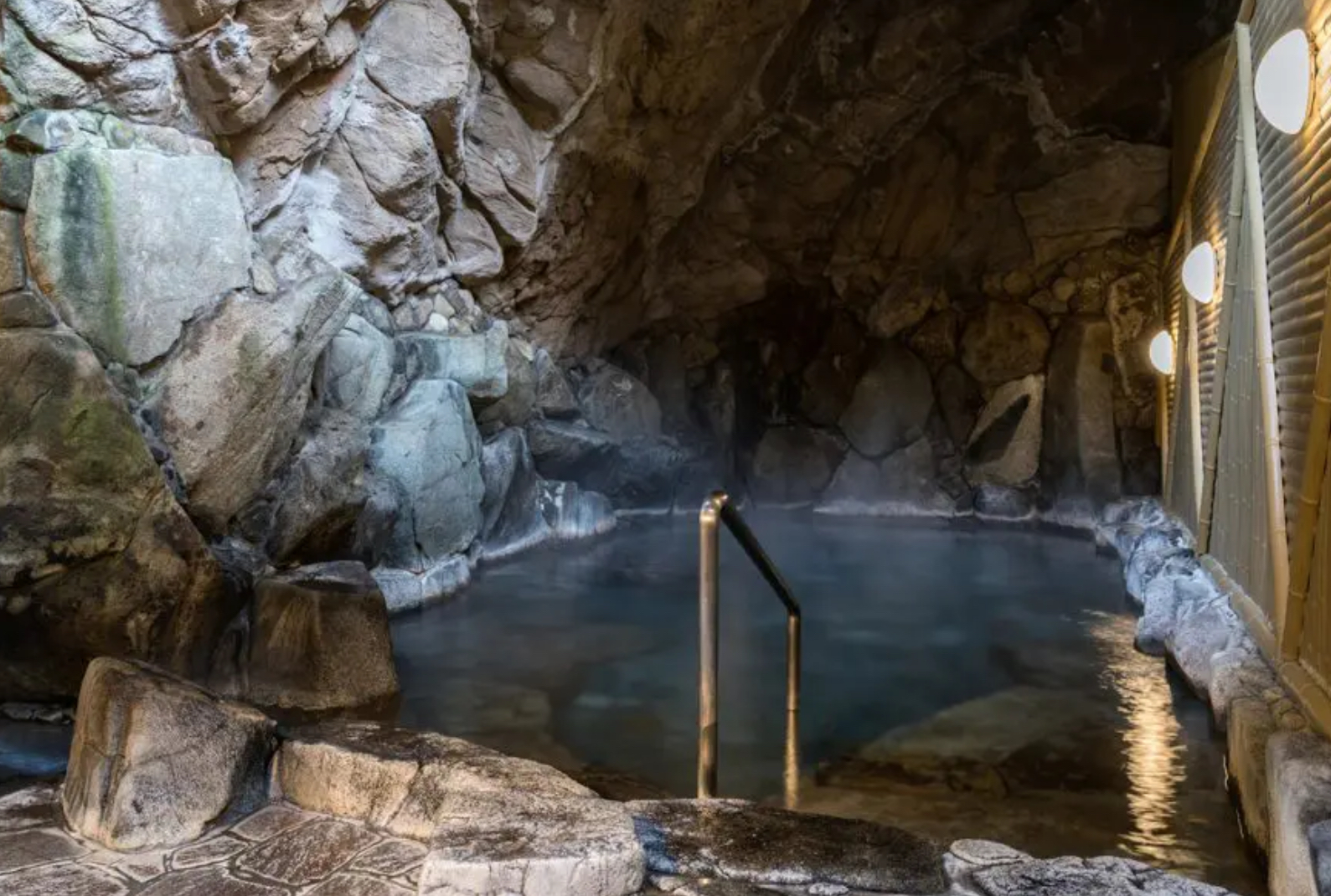
”This time of year is built for people born in cold weather. It’s that unique mix of melancholy and gratitude that makes you appreciate the small things in life.
In spite of their reputation as being overworked, Japanese really do prioritize care and comfort. It just shows up differently in their country.
The Architecture of Tadao Ando
Sayamaike Museum, Osaka
The Sayamaike Museum designed by architect Tadao Ando is about 30 minutes away from central Osaka. It was temporarily closed but the park area surrounding it was still available (if you want to break from Japanese decorum and climb over the conspicuously low gate). At Sayamaike Museum park, you will see kids playing with bubbles, seniors getting in their steps, you’ll smell honeysuckle in the air, and fig trees dropping fruit.
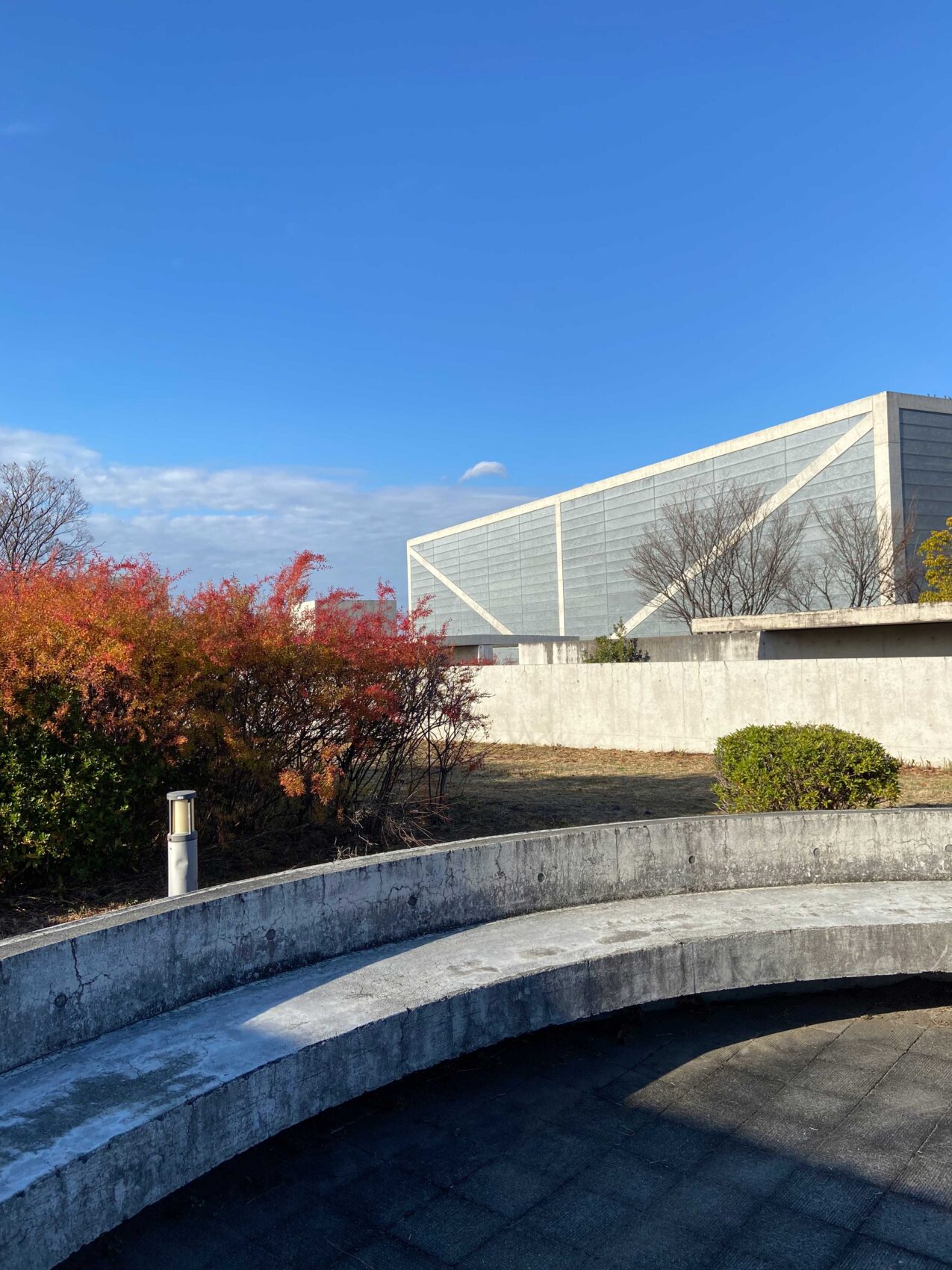
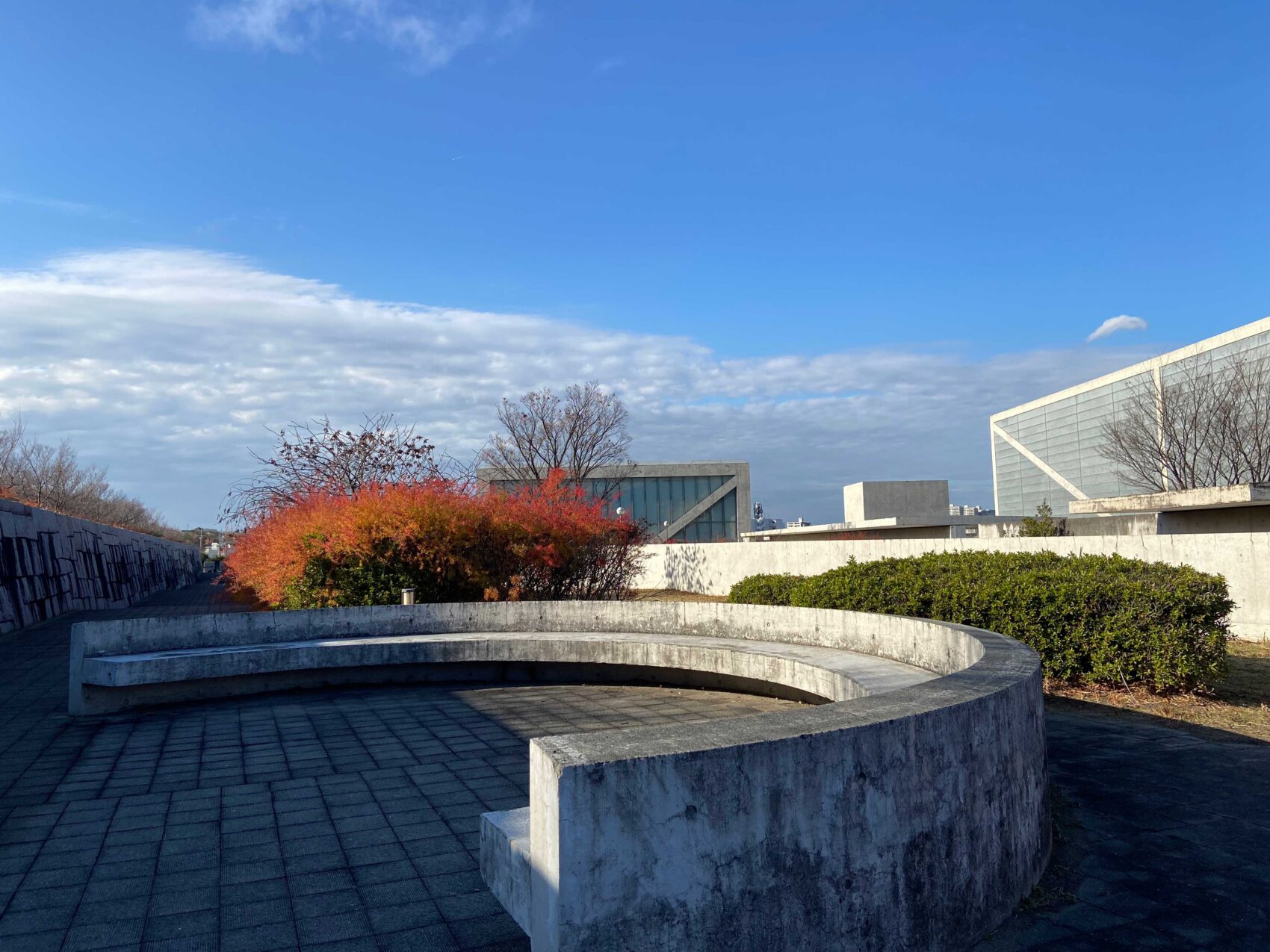
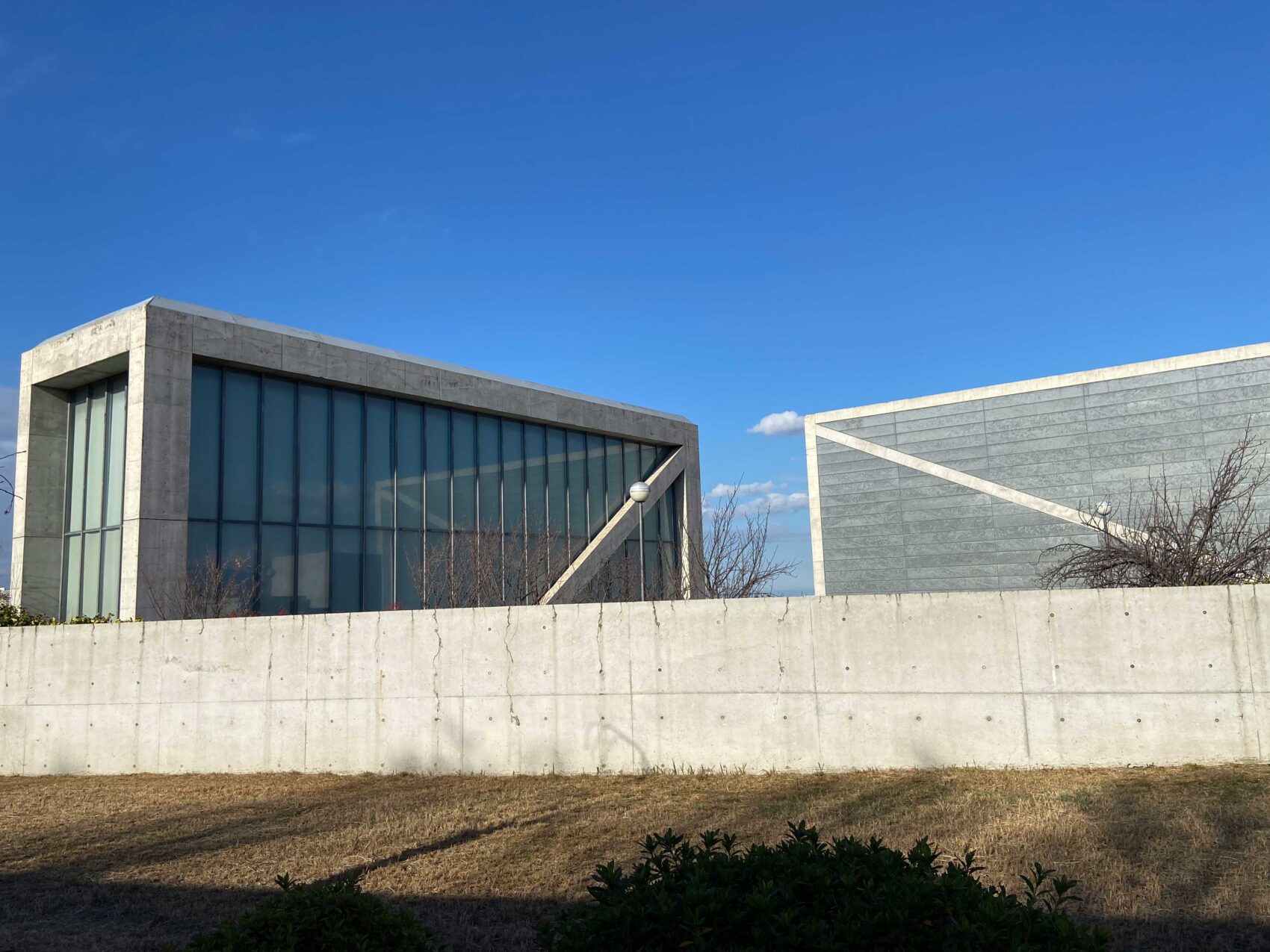
Garden of Fine Arts, Kyoto
The Garden of Fine Arts in Kyoto simplicity betrays the scale of its presence. Large scale recreations of famous works complement waterfalls drown out any anxiety or worry.
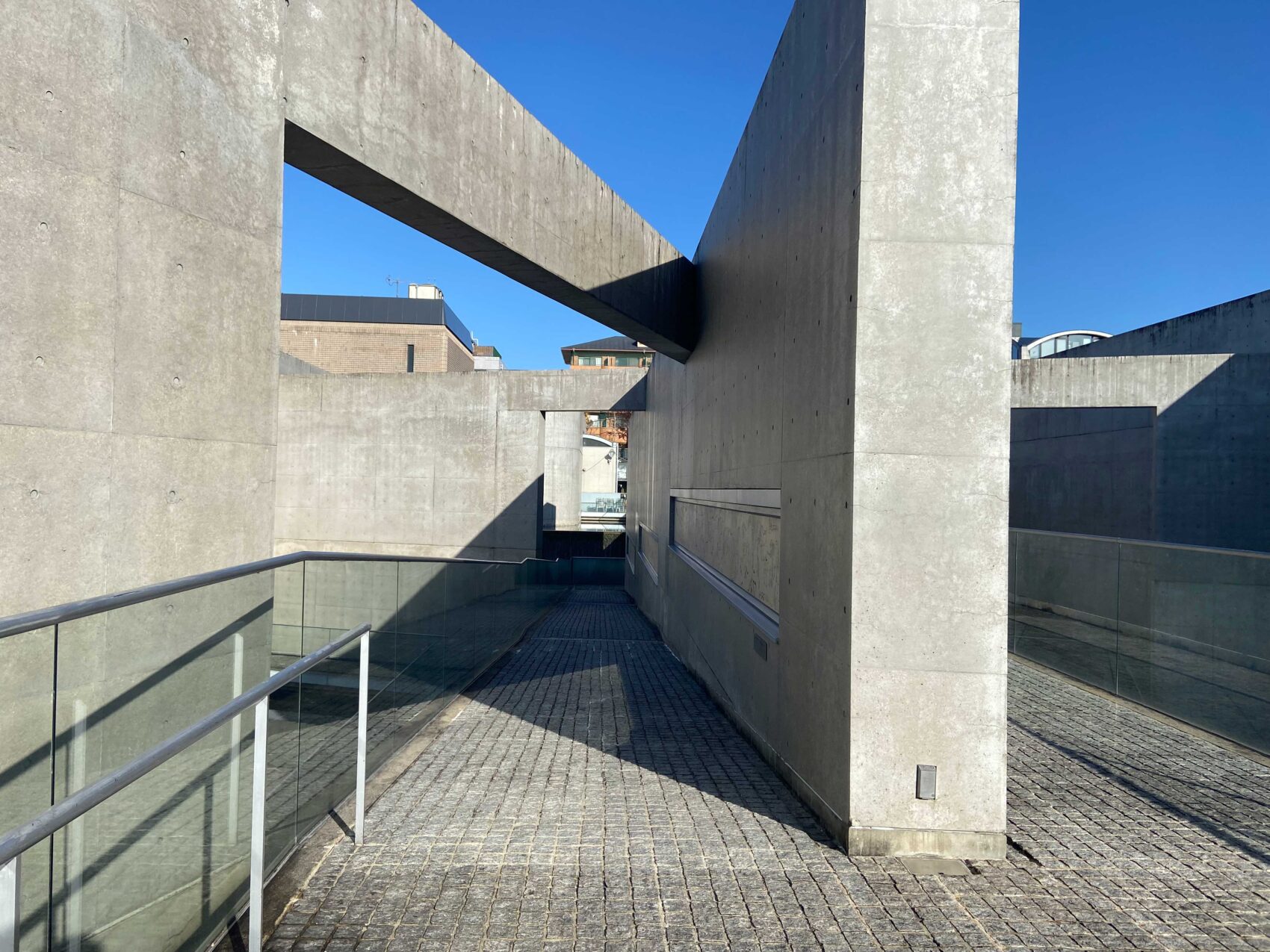
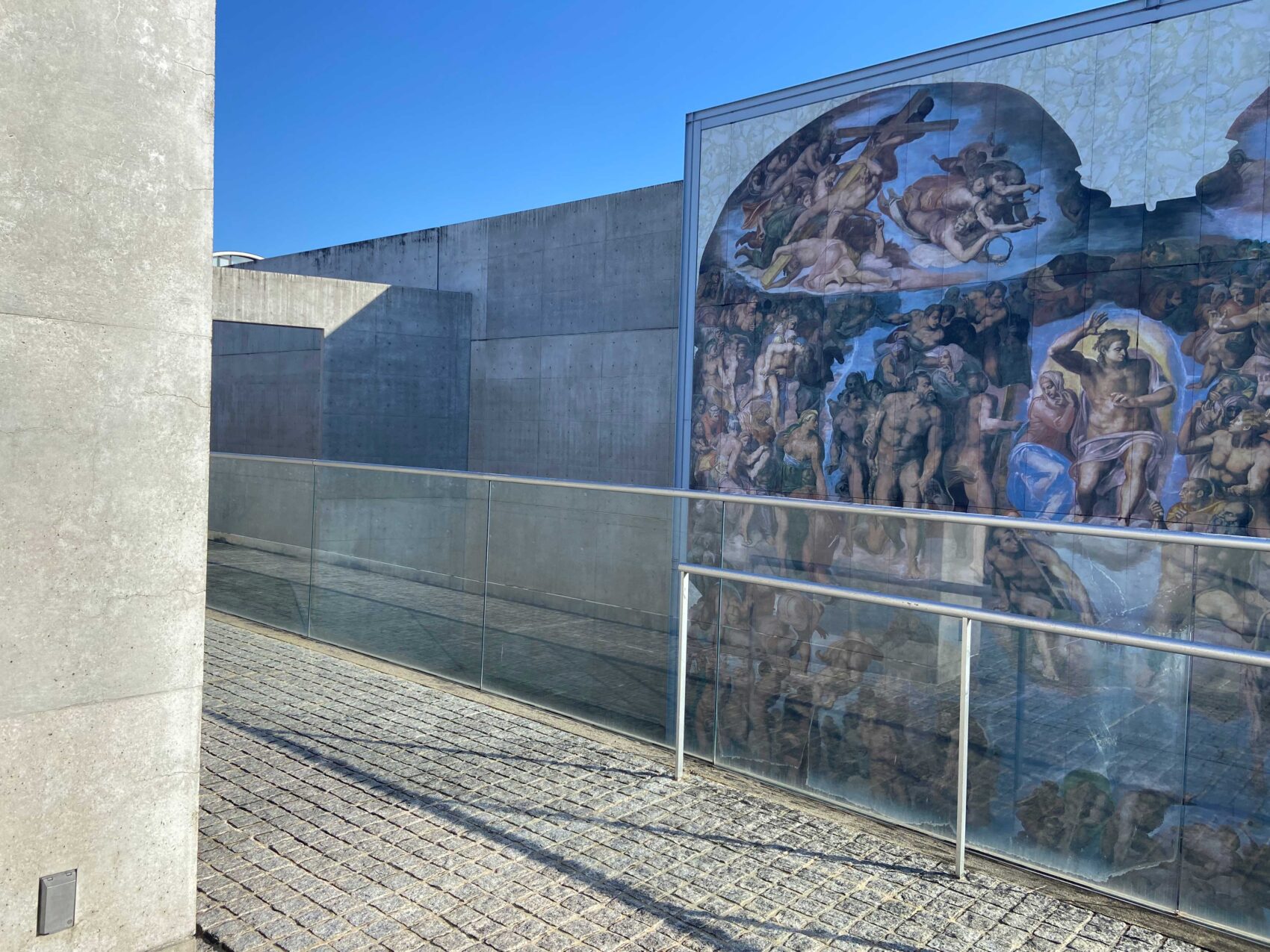
Hyogo Prefectural Museum of Art, Kobe
I was able to spend the most time in this museum. More than a museum of general interest, They Hyogo is an archive of architect Tadao Ando’s philosophy on learning and child development. As the first stop on my half-day to Kobe. For a city that was made famous by the late great Black Mamba himself, Kobe was surprisingly quaint. It’s certainly a bustling city, especially near the downtown shopping areas. But it’s otherwise a very low-key place compared to neighboring Osaka and Kyoto.
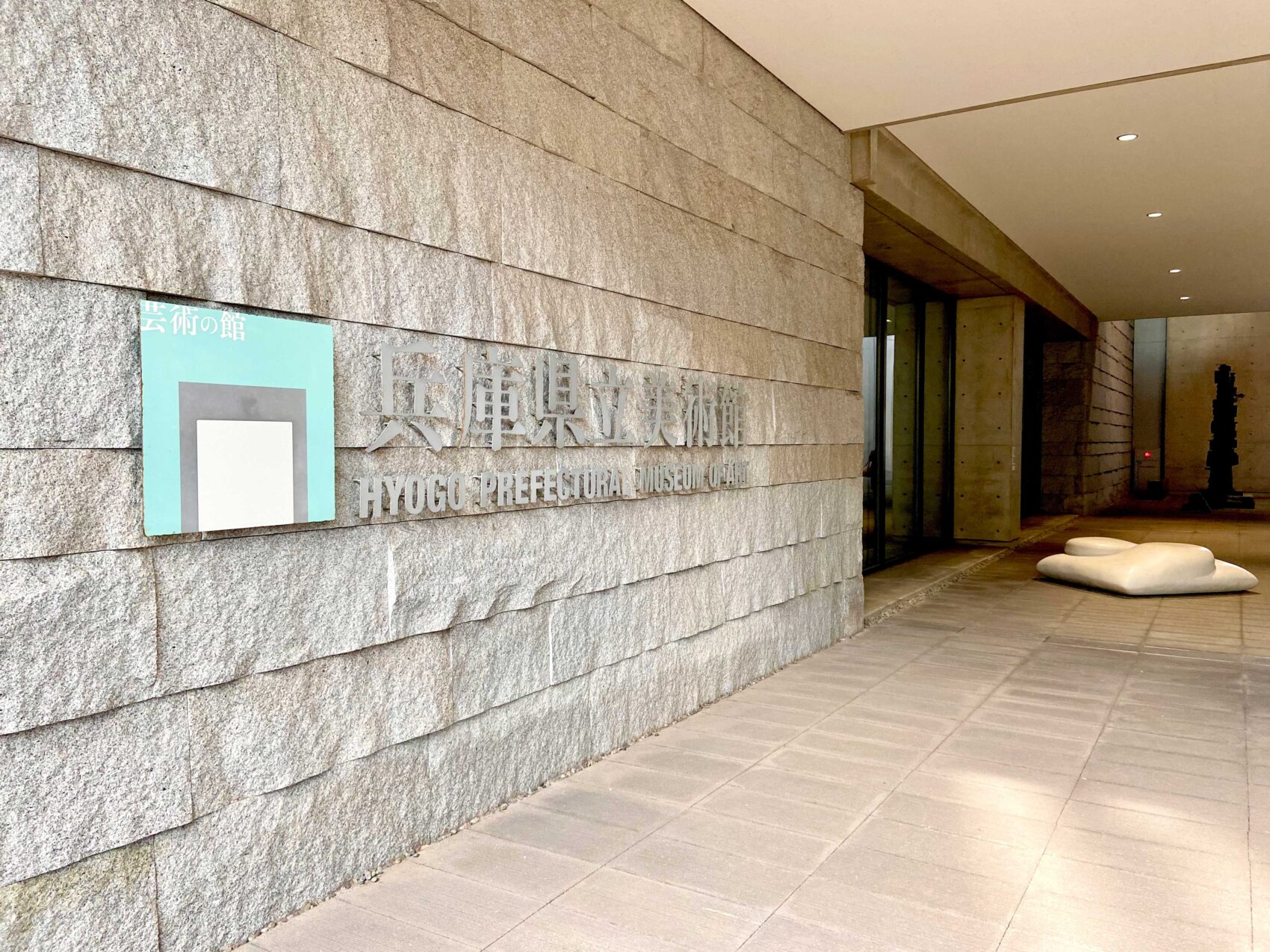
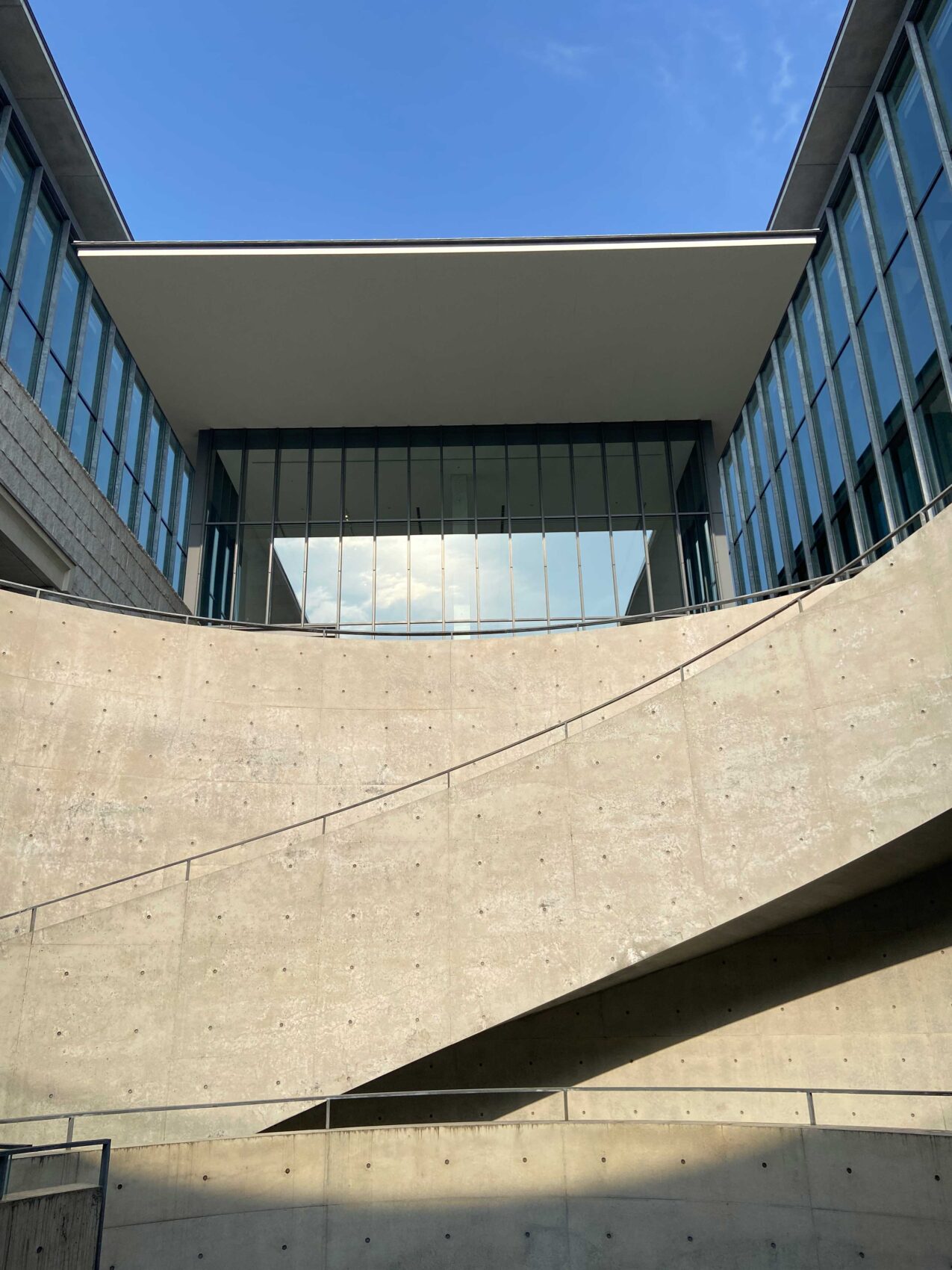
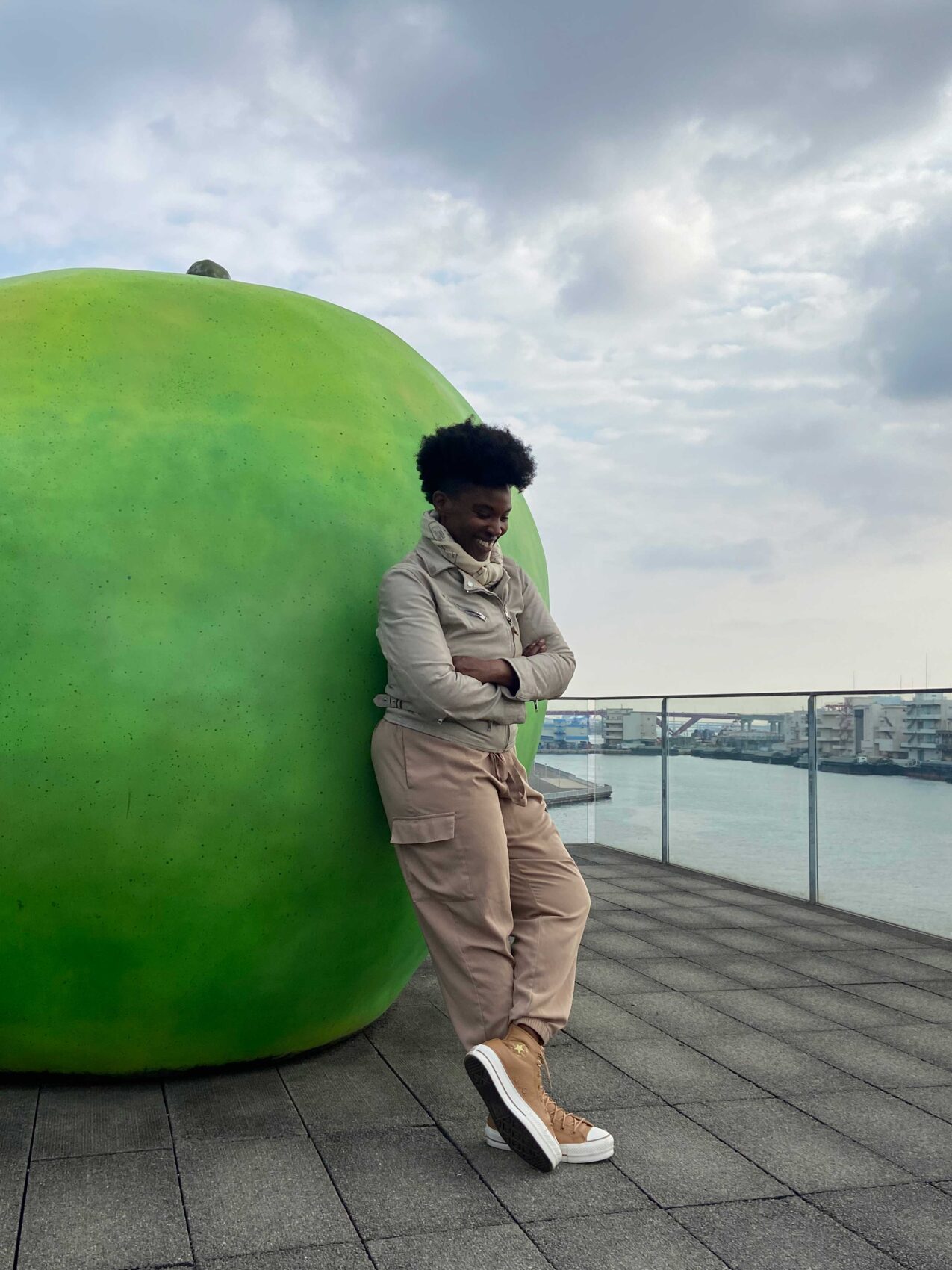
Tadao’s message was delivered as part of his permanent exhibit the museum. He talked about life between 45 and 95. He said that part of life is about preparing for a life if you are able to live to 100. That part of life is about never forgetting what it’s like to be young and fighting for your creativity. The creative process in and of itself is a fight and you must not give up on it.
Unagi, Yakiniku, Ochazuke, Kaiseki, Curry Ramen, and Kobe Beef Burgers
Should I keep going back to the great meals I’ve had? Sure.
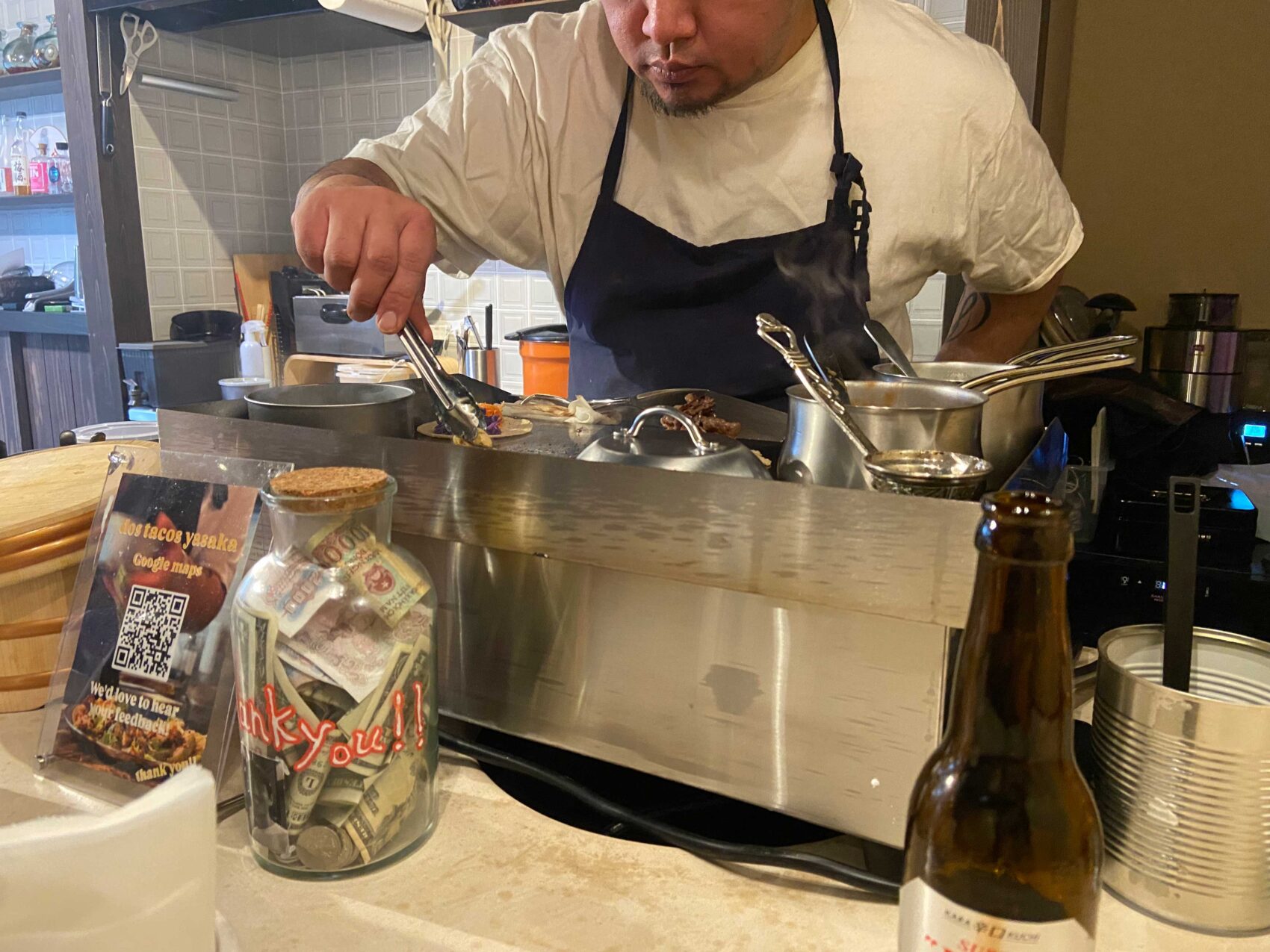
There’s the Mexican taco spot in Kyoto where the shop owner might have been doubted a few too many times by Westerners like myself because he did not enjoy my humor. Turns out the guy can make some good tacos. He even makes his own simple syrup flavors with combos like kiwi basil.
Or that place around the corner from my hotel in Kyoto that served me ochazuke five ways, in which I was also treated with the sacred, crispy rice.
Or Kyo-Kara, a ramen and curry spot in the back street behind my hotel. It’s basically run by three people in their early 20s. Young, skinny, immensely responsible, and very, very good at what they do. Reminds me of some folks I’ve seen working restaurants in D.C.
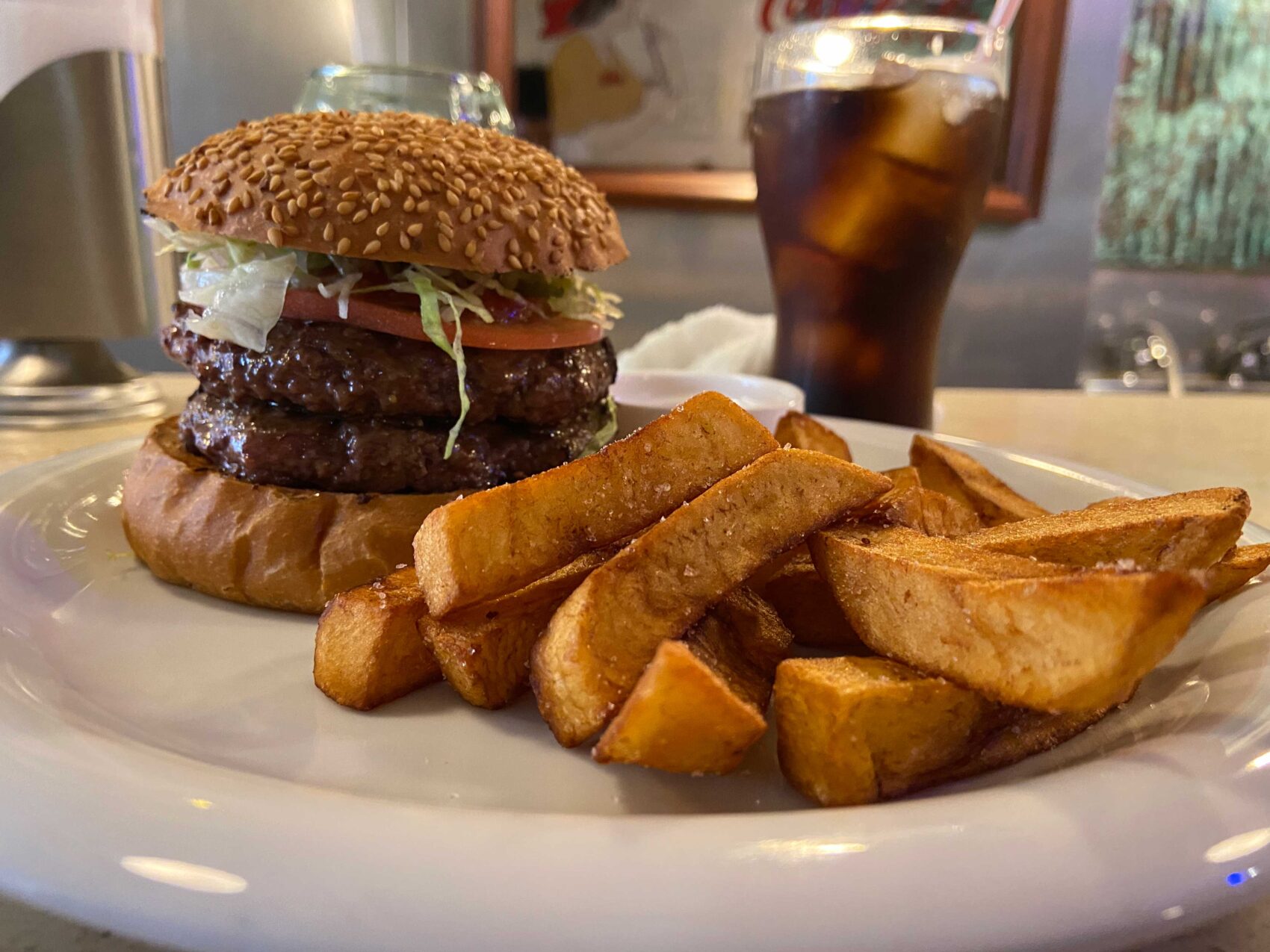
Before leaving for this vacation, I wanted to have a Kobe beef meal at one of those multi-course places with karaoke and are open late. The meals in Kyoto were so satisfying, i no longer craved that. Instead I wanted a classic American-style Kobe beef burger. WANTO Burger was exactly what I wanted. A clear fave among the locals, but derided by picky Western tourists who don’t quite understand that, had this place been in their neighborhood back home, they wouldn’t shut up about it.
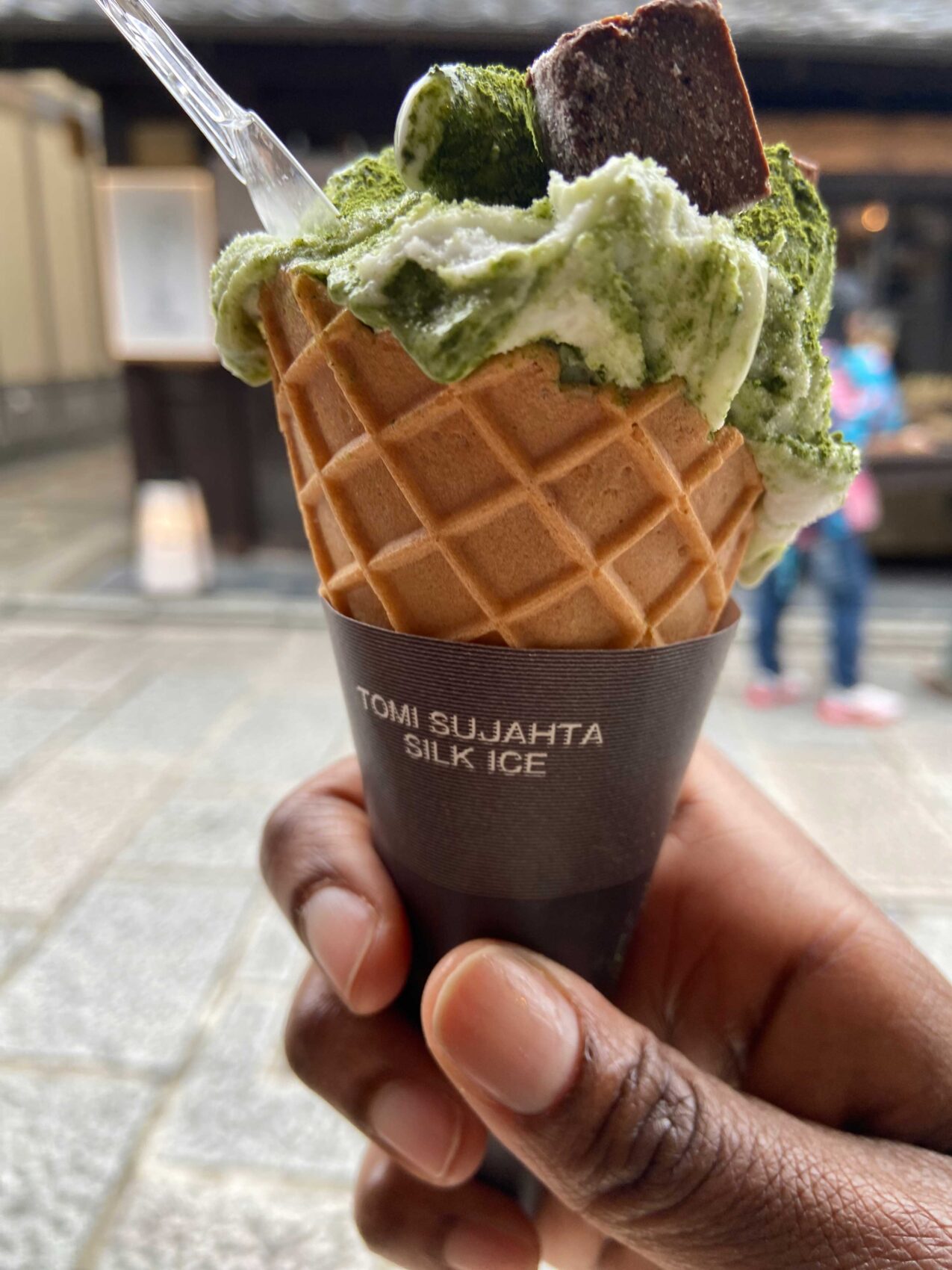
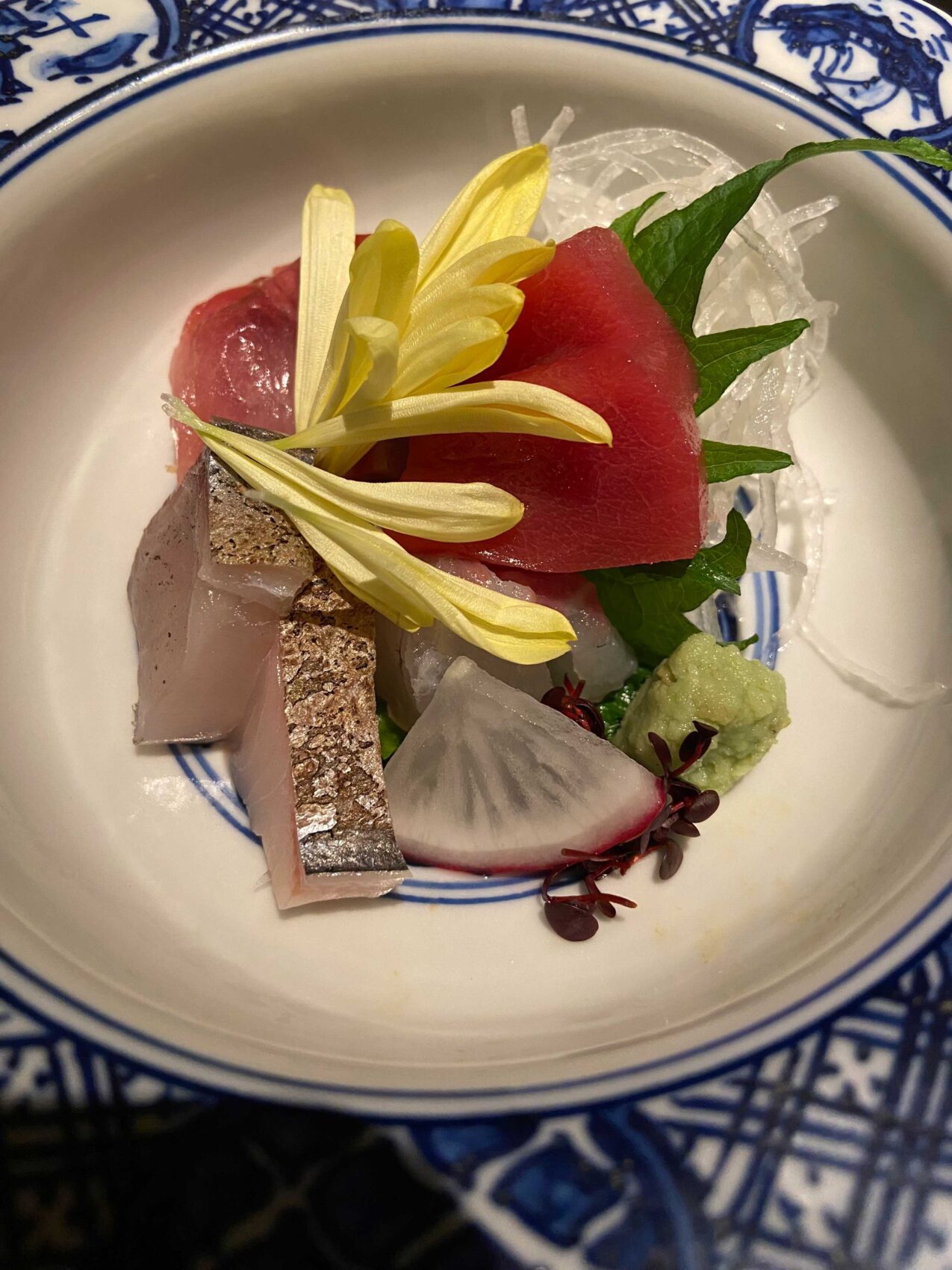
But before I go any further, I need to talk about the meal I had before that. When I take a midday break to recharged my batteries, I usually go to a coffee shop or luxury department store. These places often have a nice sit-down restaurant on the top floor like the kind my grandma would take me after she retired. This little tea and sweet shop in the Daimaru shopping center served me the most interesting fish with matcha soba and green onions. The fish felt cured in something sweet and dark giving it a black color and soft texture. Served with a bit of pickled vegetables, sticky rice, and sweet jelly for dessert, I was blown away that this tea shop in a department store in Kobe would be so delicious.
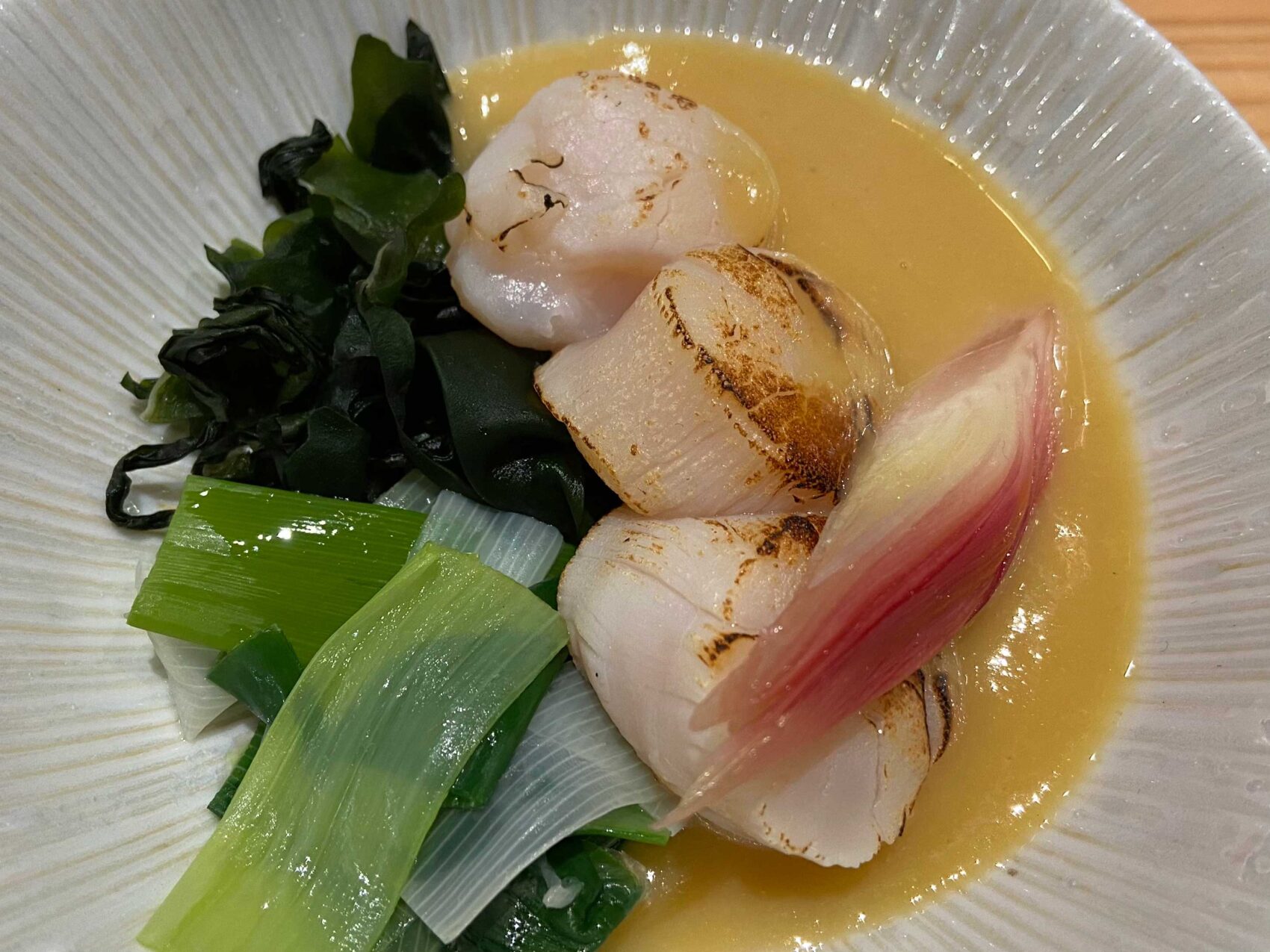
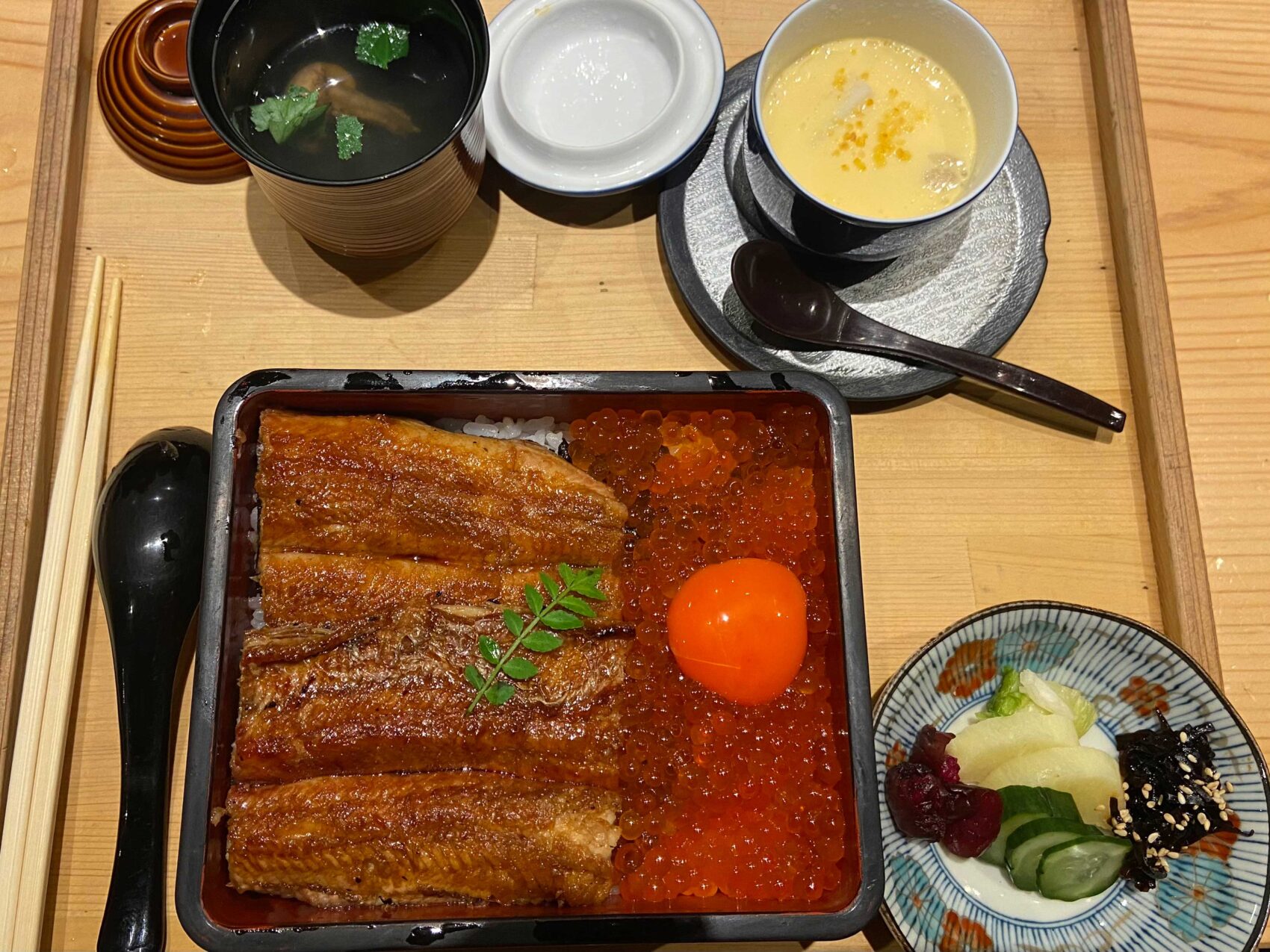
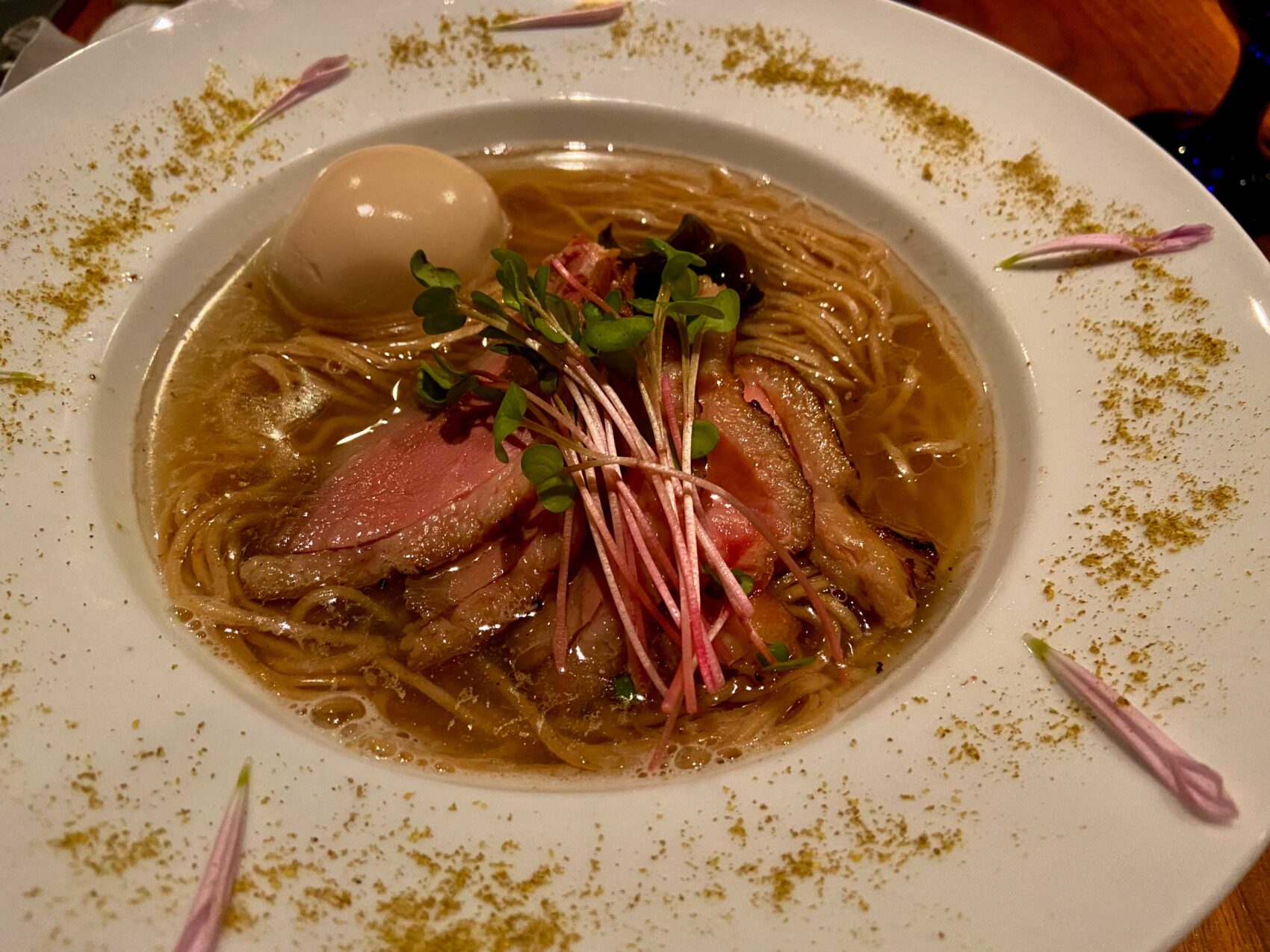
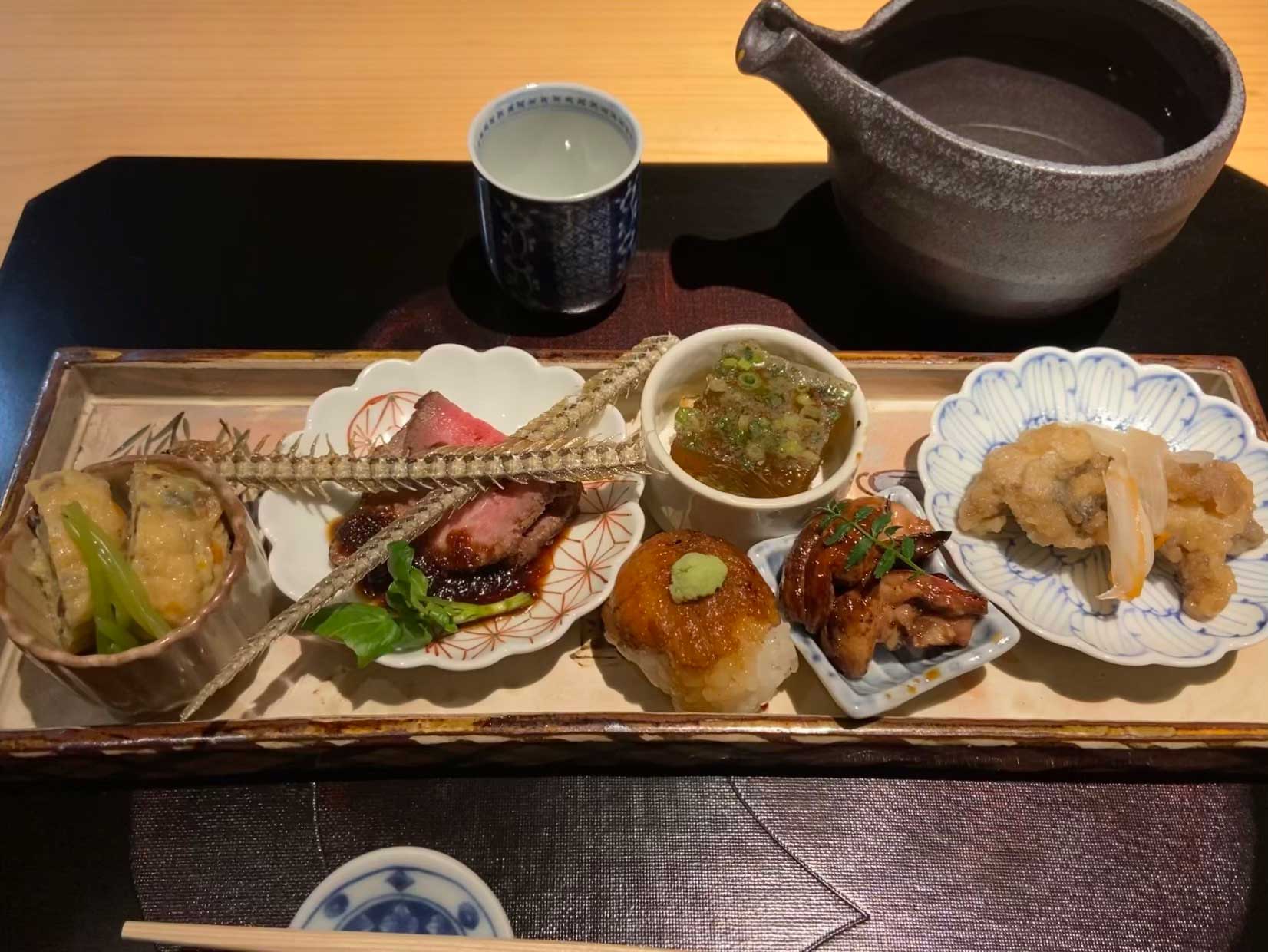
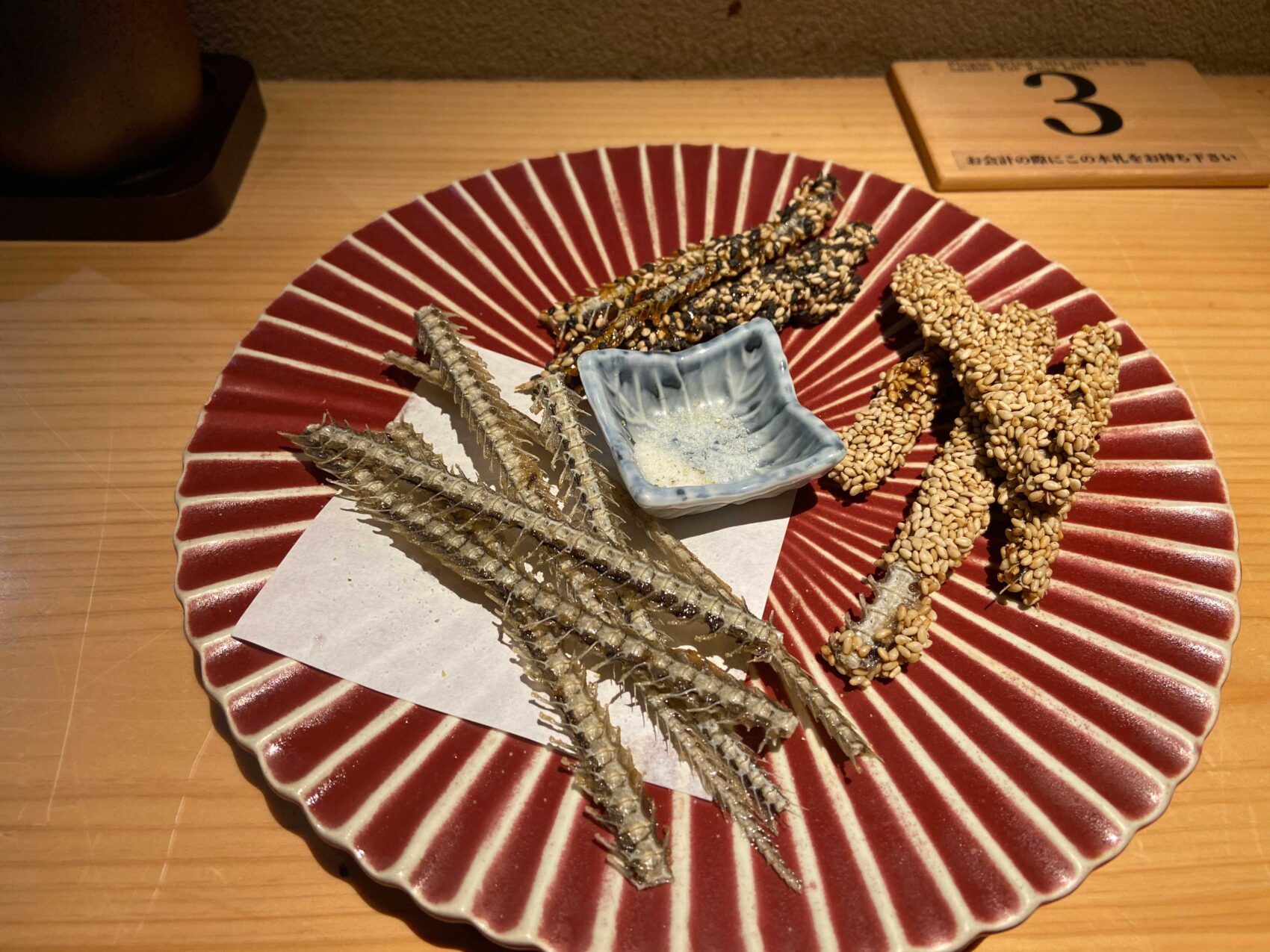
But the restaurant that may have ruined me is a place that is actually a chain of restaurants owned by an eel wholesaler. Located along Pontocho, Unagi Yondaime Kikakwai (sp) kaiseki might have ruined me for any other Japanese eel-based meal. Crunchy eel snacks done three ways, including one covered in caramel and coated in black and white sesame seeds. The eel omelet what *gasp* the egg is served hot. The starter were eel and beef pain together in a playful way. And oh my word, freshly-grated wasabi! You can’t beat it! Pair this fantastic meal with a grass wine from Kyoto and I was in love. The kitchen staff also seemed very happy and well-organized. If I had to guess why, it’s because they’re employees and not owners. They don’t stress about the business side of things, they just get to focus on what they do best and what they enjoy, which is to cook.

Kodaiji and Hozenji Temples
My last few days in Kyoto and Osaka I visited two more temples, Kodaiji and Hozenji. Kodaiji Temple’s bamboo forest is the lesser-known bamboo forest in Kyoto. Arashiyama Bamboo Forest gets way more attention but this was the best of both: Within 15 minutes walking distance and quiet enough to not get totally crowded. Many of the sites here could not be photographed because they are considered sacred religious places.
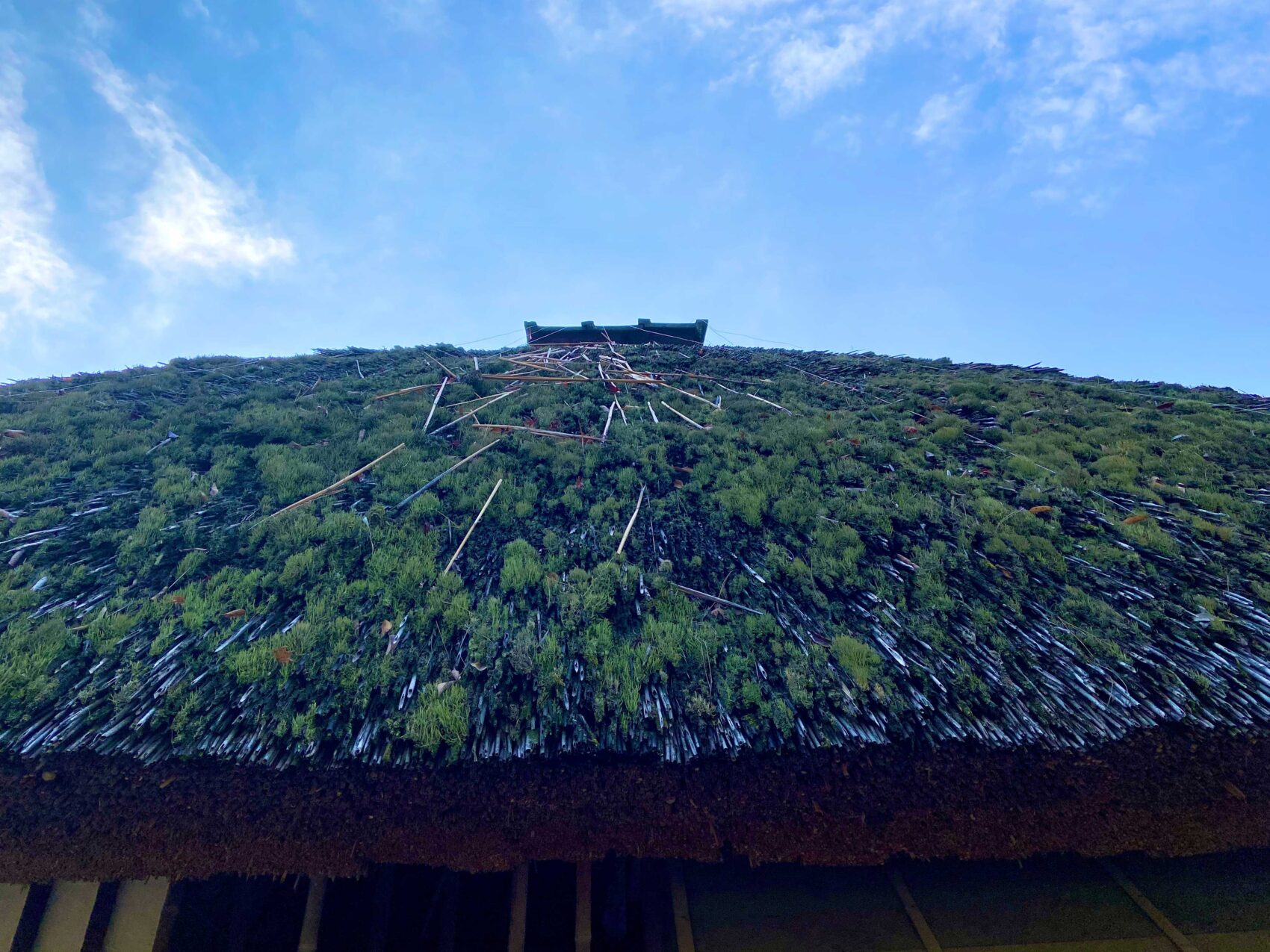
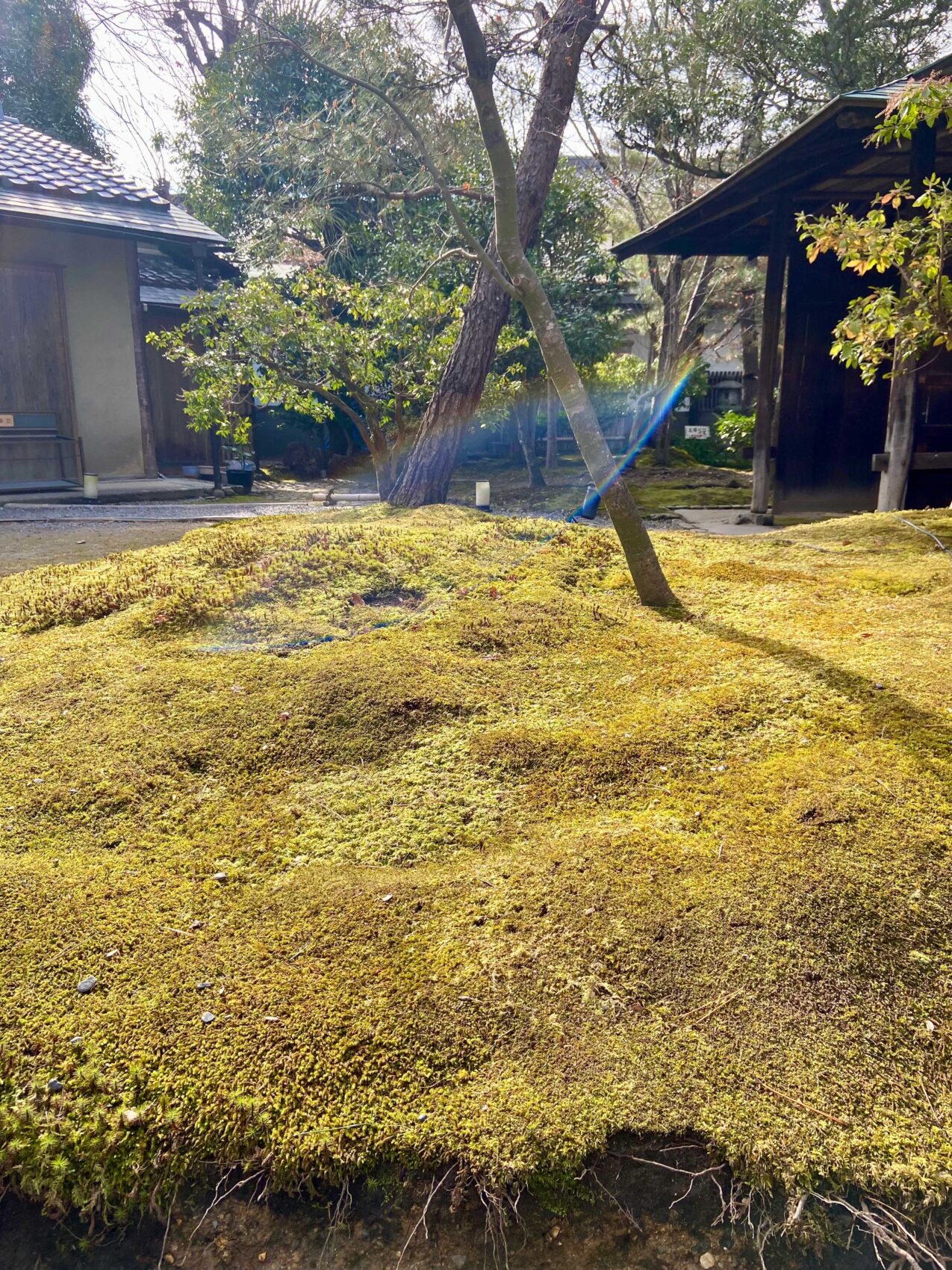
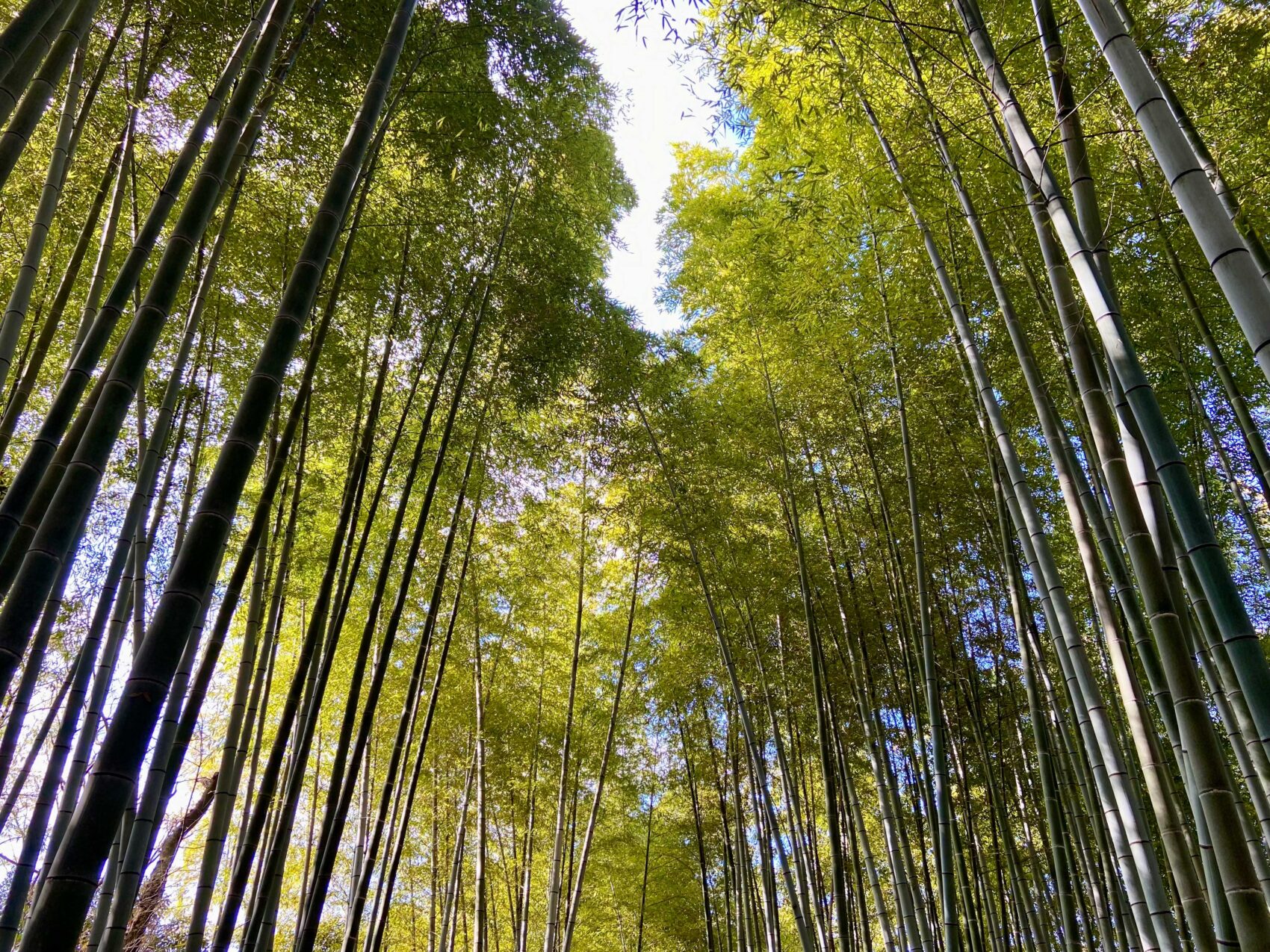
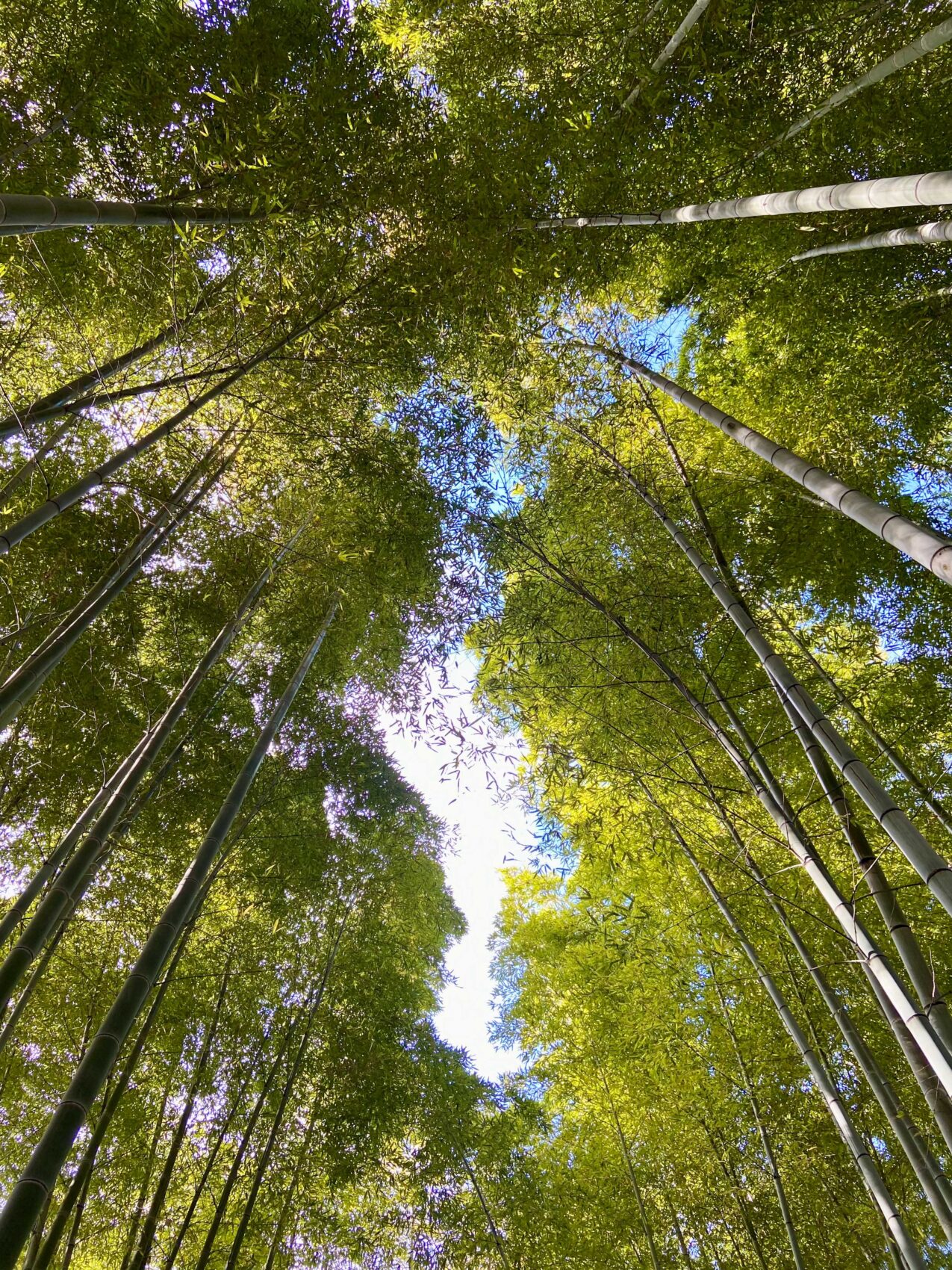
I also saw a space dedicated to those who donated their corneas (once passed) to people who are blind. Such a beautiful testament to generosity of humanity. This is now the third time I’ve cried at a temple of shrine.
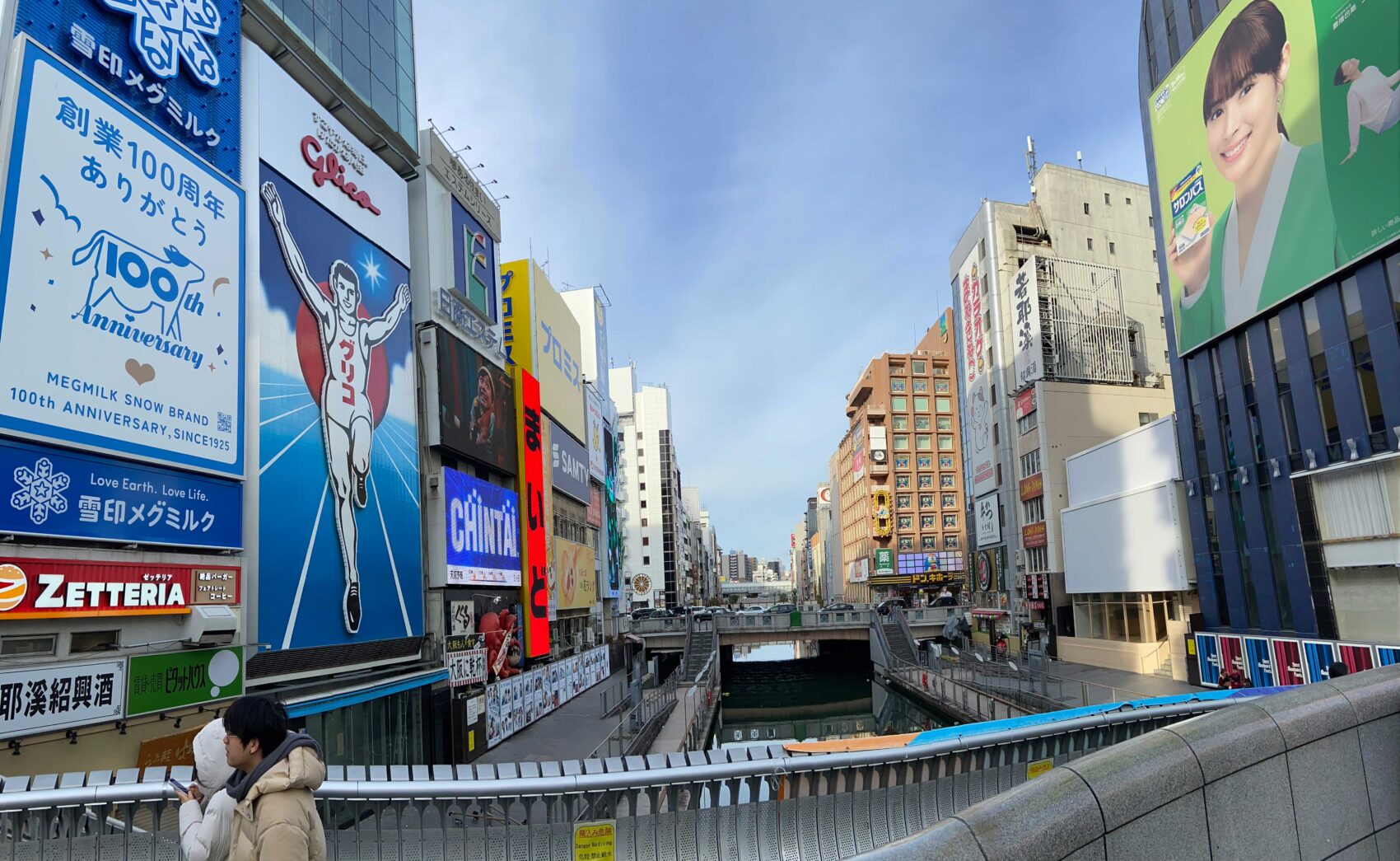
Hozenji Temple in the bustling neighborhood of Dotonburi in Osaka should have been easier to visit, but a life lesson and terrible directions courtesy of iOS maps put me on a different path. While visiting Dotonburi, I was assured that this tucked-away temple was just around the corner. But iOS Maps put me in a neighborhood nearly 20 minutes away. I visited a couple of temples, none of which were Hozenji. At one, I prayed that this was some sort of lesson, because there was clearly nothing that looked like the famous moss-covered temple and my knee was still killing me. After a brief breakfast at a nearby 7-Eleven, I recharged, determined to find Hozenji.
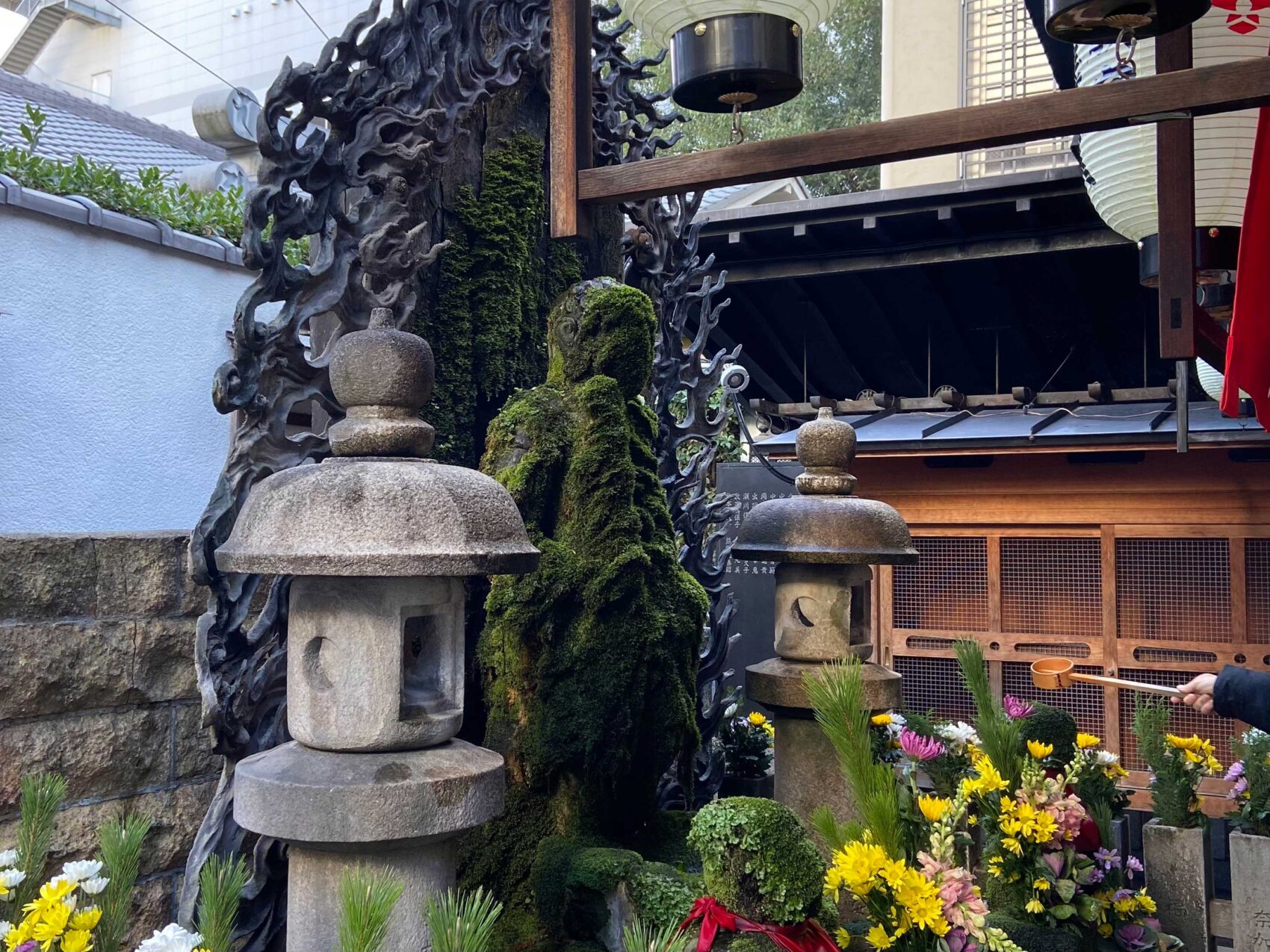
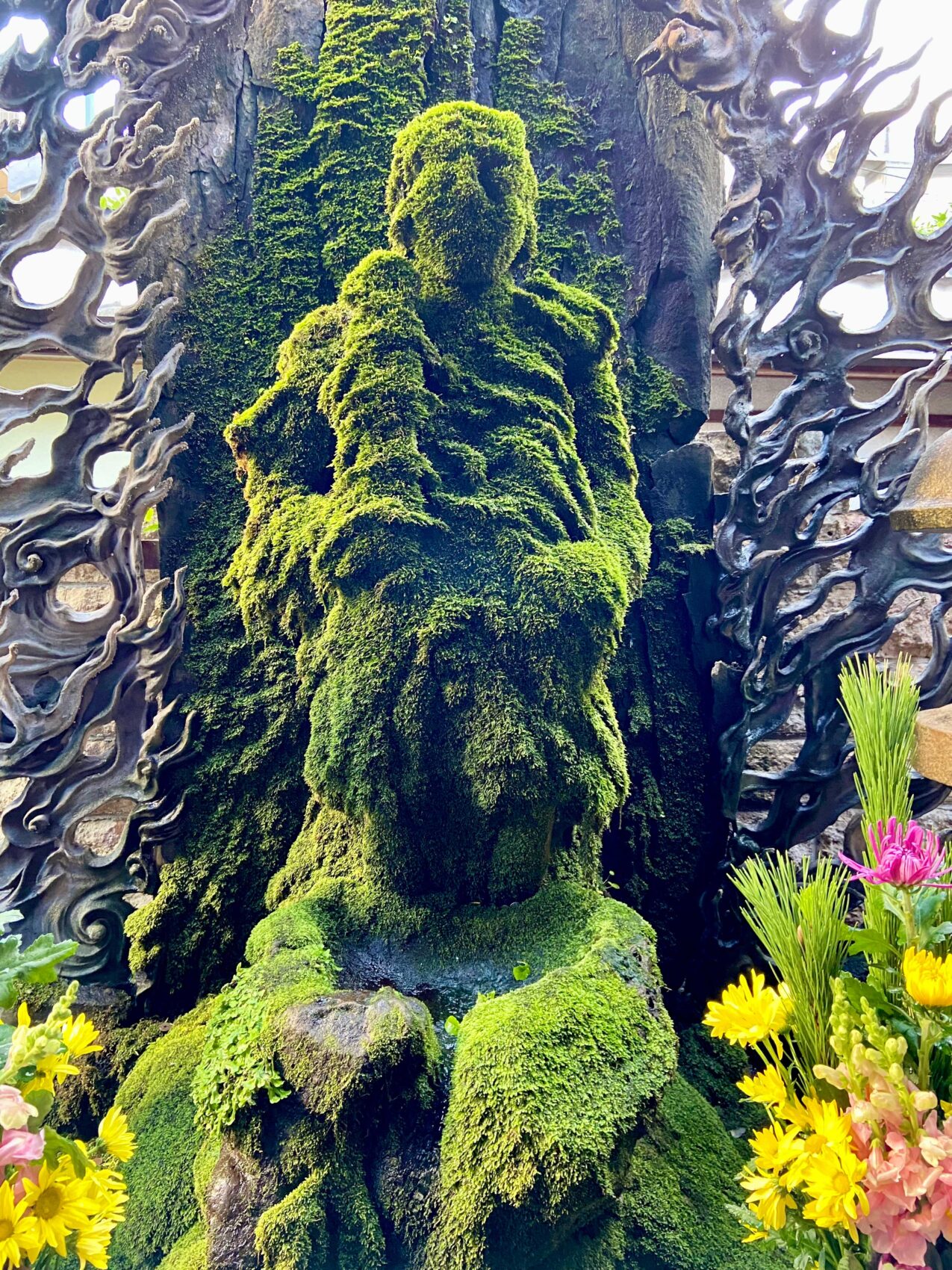
I made it back to Dotonburi and sure enough, the temple was just around the corner from my initial position. Relieved (but also a little infuriated with app maps), the temple itself is charming it’s covered in moss as part of the prayer ritual of pouring a bit of water on the central figure. My favorite moment happened with myself and a few other tourists were looking for something to light our incense. The wind picked up a bit so we huddled around one another to light our incense. It was a bit futile, but that moment was reflective of those brief moments of kindness that happen from time to time.
Both Kodaiji in Kyoto and Hozenji Temples embody much of what it’s like experiencing this part of Japan. You have all this urban chaos surrounding you, then at a moments notice you have an opportunity to simply stop and pray.
Christmas Shopping in Japan
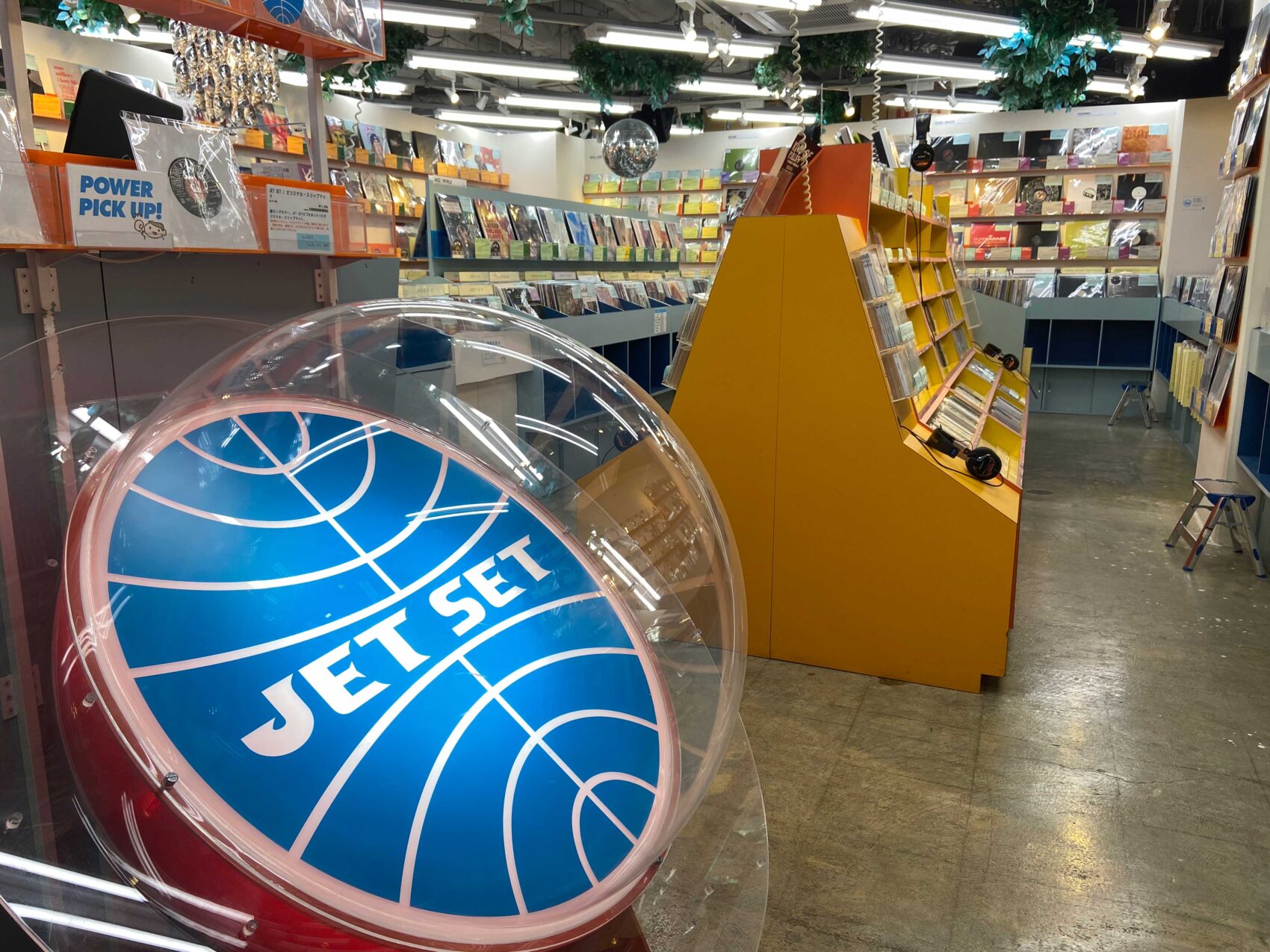
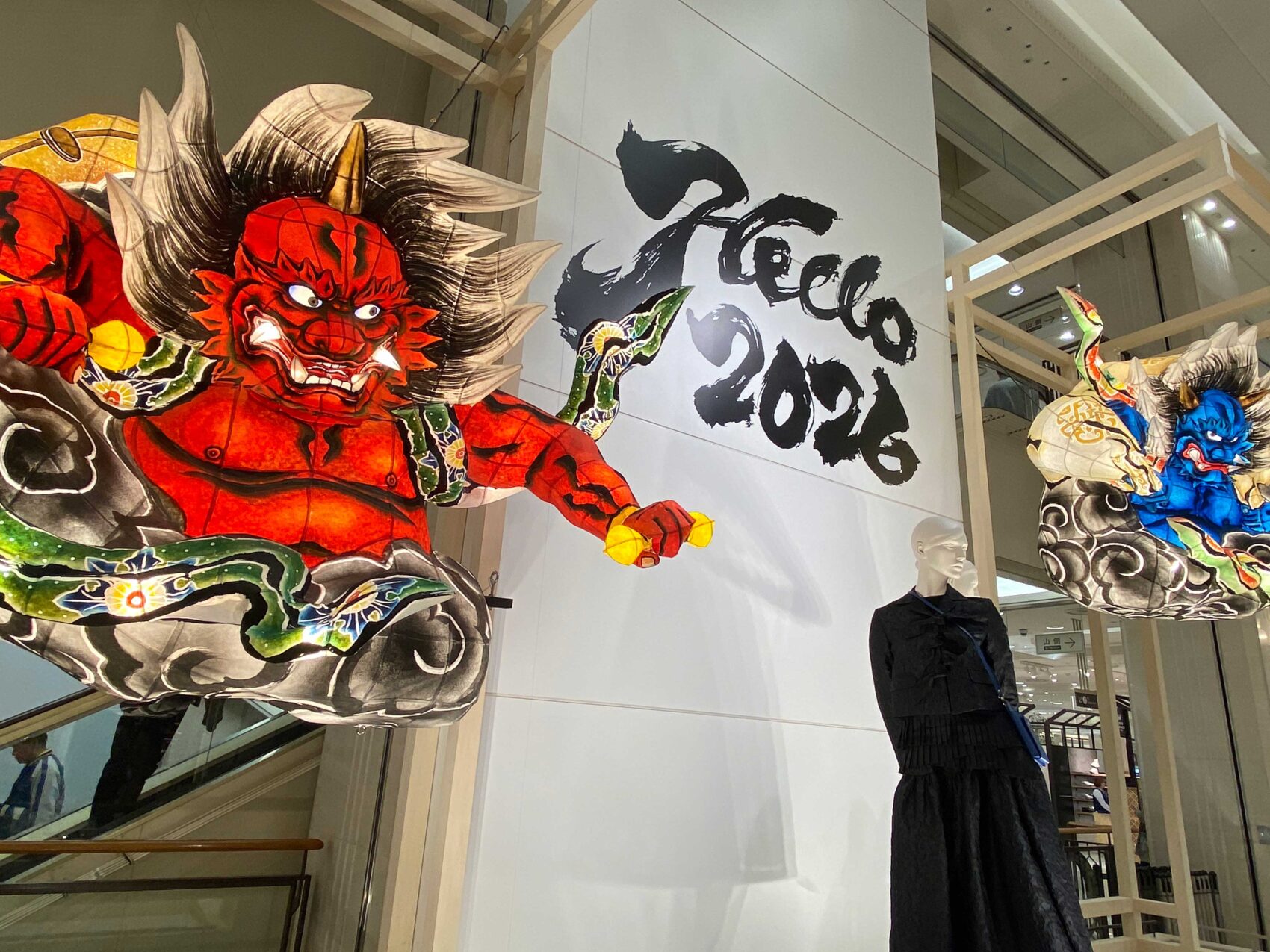
Dead mall culture is something we have unfortunately gotten used to in the United States. Empty stalls and walkways that used to buzz with Christmastime energy all now seem like ghosts haunting these places. I actually used to work at a dead mall.
I was told that Japan’s economy is in decline. There are definite signs of an aging population and aging infrastructure. And I think the biggest declines are in the more rural parts of the country. Economically speaking, the cities are bustling. Throngs of people are in the streets for Christmas, taking over malls.
I Have Greatly Underestimated Osaka’s Ability To Party
Last full day in Japan before heading back home; back to reality.
If I had to pay for a comfortable prison, it might be Y’s Cabin Namba Osaka. There’s tons of rules. You have to lock up everything. You get these really cute pajamas. It’s cozy, respectable. The best part is my actual room. It’s a very comfortable pod. I’m surrounded by half my shit, but’s comfortable.
I’ve reached the stage of the trip where I can be less ambitious. I’ve done just about everything I wanted to do.
I also want to reflect on some wise words from Yayoi Kusama. In her video message at the exhibit hosted by Louis Vuitton Foundation, she gave an important message on why we should fight together. That it’s important we fight together to prevent war and annihilation.
Before leaving for this trip I was led to believe that Japanese do not typically celebrate New Year’s Eve in the way that we do in the U.S. However, when I arrived in Japan, I got bored one night and just decided to type in “New Year’s eve in Japan. Either due to geotagging or laziness on my part, lo and behold these people like to bring in the new year with a bang.
The Lively, a hotel in Osaka hosted a special Carnival-themed bash with Brazilian DJs and dancers brought in from Rio, caipirinhas and Guarana flowed ‘til midnight. The strength and endurance of these women in costume is always impressive. I gotta get my ankle strength together if I want to enjoy Carnival by my 50th birthday.
[Insert photos and videos of Carnival party]
I hate Hallmark holiday movies, especially the stories centered around young single women. They’re always obsessed with work. They need to be taught the true meaning of Christmas by some quaint homespun advice and the rather chaste love of a generically-attractive man, usually white. Well, that’s not been reality. The reality is that women already know what the meaning of the holiday is about. It’s about sharing, laughter, joy, kindness, forgiveness. It’s about lights, warmth, coziness, and even a bit of risk. It’s about melancholy mixed in with reflection. I have met countless women along this trip so far who understand this. We don’t need Hallmark to tell us.
Passport Confessional is a blog series on IDSL dedicated to places I’ve traveled to, outside of the U.S.